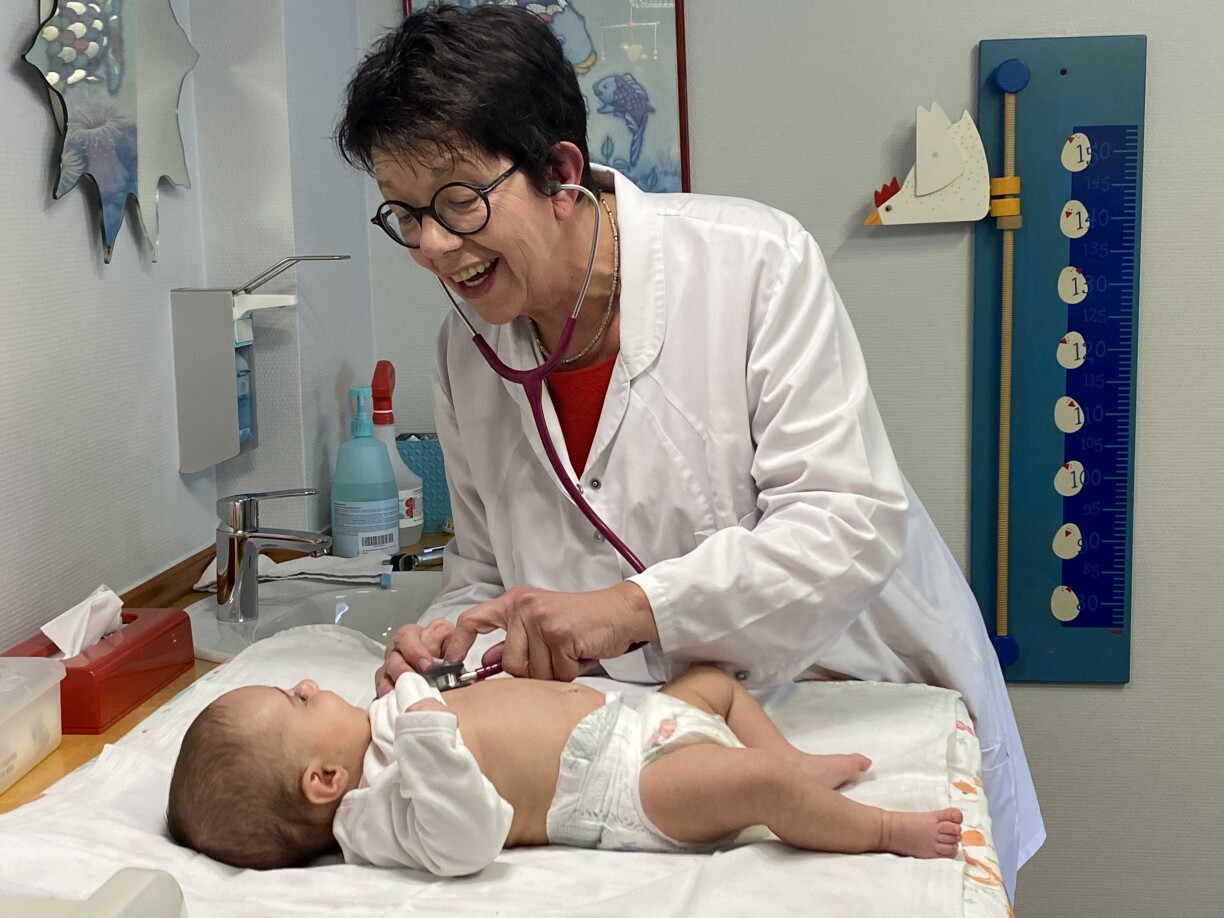
Symptoms such as a runny nose, cough, and fever are typical signs of the flu – but they do not always point to an actual influenza infection. According to the Ministry of Health, Luxembourg is currently experiencing a wave of respiratory tract infections. These include Covid-19, influenza and the RSV virus, with around one in 10 emergency room patients currently being diagnosed with one of these infections.
Pediatrician Dr Michèle Kayser-Wengler told RTL that influenza cases are currently being detected most frequently among young children and adolescents, meaning their risk of developing complications is lower than that of older people. Nevertheless, the general recommendation remains to get vaccinated regardless of age, as the epidemic has not yet reached its peak.
If the influenza vaccination is administered for the first time before the age of nine, two injections are required within one month. Dr Kayser-Wengler explains that this is one of the reasons why some parents are reluctant to have their children vaccinated.
The paediatrician therefore hopes that, from next year onwards, a new vaccine administered as a nasal spray will become available. Being less invasive for children, it could help increase overall vaccination rates. Dr Kayser-Wengler adds that negotiations with the National Health Fund (CNS) are currently ongoing.
In response to a parliamentary question from LSAP MP Mars Di Bartolomeo, Health Minister Martine Deprez revealed that supplies of standard vaccines are starting to run low in Europe. However, there are still sufficient doses available to vaccinate people aged 65 and over. Luxembourg has seen a high demand for these vaccines, with pharmacies having received around 104,000 doses by mid-December.
Meanwhile, the situation in retirement and nursing homes remains stable, which the minister attributes to large-scale vaccination campaigns.





