Here are five things you should know at the end of this week:

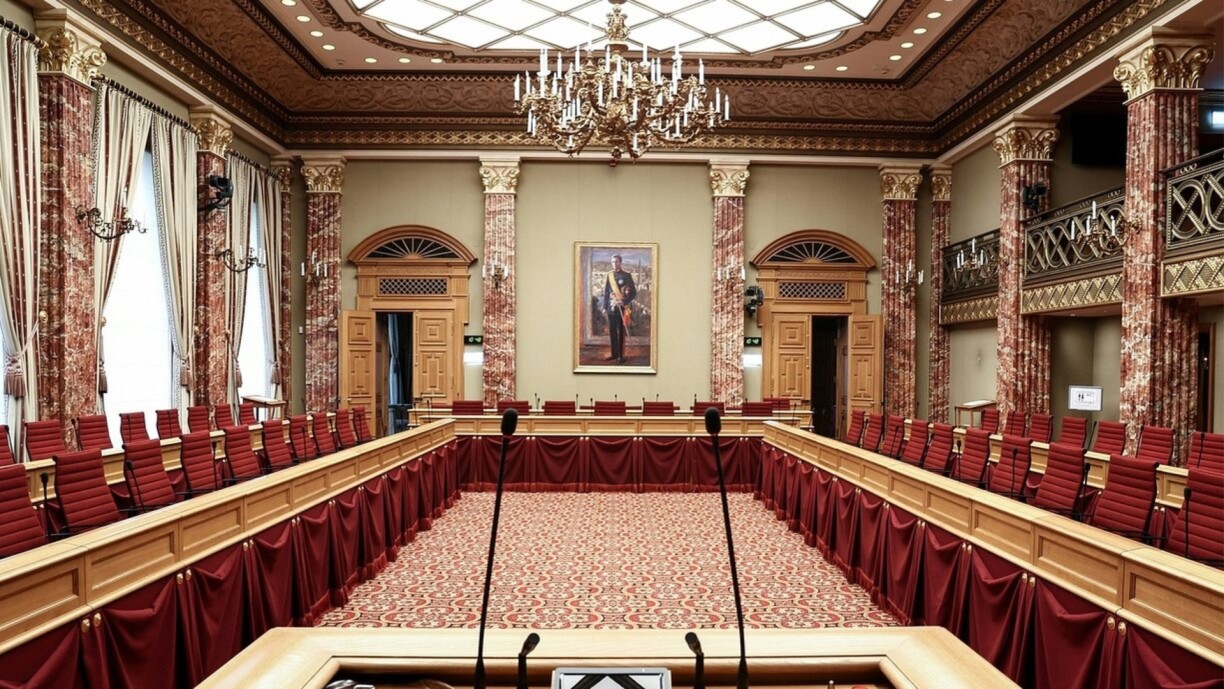
Luxembourg's Chamber of Deputies debated and voted on several significant motions this week, addressing key national issues.
Busy week – The Chamber of Deputies tackled a packed agenda this week, debating and voting on motions spanning social policy, national security, and financial reforms. These discussions reflected the growing political and social tensions around some issues while also demonstrating areas of cross-party consensus.
Defence and labour rights – In two notable decisions, MPs unanimously rejected the reintroduction of compulsory military service, opting instead to focus on improving recruitment and defining a clearer national security strategy.
At the same time, the Chamber reversed a controversial decision from late 2024, affirming the exclusive right of trade unions to negotiate collective agreements. This reversal came in response to backlash from unions and opposition parties, demonstrating a renewed commitment to preserving Luxembourg's social dialogue framework.
Immigration and finance – The Chamber rejected a motion to halt the expulsion of vulnerable individuals, including children, from reception facilities, sparking criticism of government refugee policies and delays in processing cases.
Meanwhile, MPs approved significant measures to strengthen Luxembourg's financial sector, including a new regulatory framework for crypto assets, the expansion of non-double-taxation agreements to 90 countries, and the establishment of 40 ELTIF funds in Luxembourg to support long-term investments in infrastructure.

The Luxembourg government has expressed surprise over its exclusion from the US 'tier 1' ally list granting unlimited access to advanced AI chips, prompting Prime Minister Luc Frieden to seek EU intervention.
Frieden criticised the decision for risking EU market fragmentation and announced plans to discuss the issue with European Commission President Ursula von der Leyen and leaders of other excluded nations like Poland and Portugal.
Foreign Minister Xavier Bettel has been instructed to emphasise Luxembourg's reliability as an ally to the US, as the country is set to host an EU AI supercomputer.
Surprise and concern – The decision by the outgoing Biden administration to categorise countries into three tiers for AI chip access has raised concerns in Luxembourg. The exclusion of Luxembourg from Tier 1, which includes 18 "close allies" with unrestricted access, has been met with surprise and disappointment.
The government views this move as unjustified, given Luxembourg's longstanding cooperation with the US and its reputation as a reliable partner. Prime Minister Frieden has called for immediate EU action to address what he perceives as an unfair and potentially harmful decision.
Coordinated response – Frieden warned that dividing EU member states into tiers of trade partners undermines the single market's cohesion and could create divisions within the bloc. He argued that such a move by the US sets a dangerous precedent that might strain transatlantic relations.
To tackle the issue, Frieden has scheduled talks with Ursula von der Leyen next week and has reached out to his counterparts in Poland and Portugal, both of which share Luxembourg's predicament, to coordinate a unified EU response.
Research and development – Frieden emphasised that Luxembourg has consistently demonstrated its trustworthiness as a partner to the US and urged FM Bettel to highlight this during diplomatic engagements. The PM pointed out that Luxembourg's role as the host of one of the EU's AI supercomputers speaks to the country's importance in advancing global AI capabilities.
He further expressed concerns that the US decision undermines this effort, potentially stalling AI development in the region and straining relations with one of Europe's key allies.

Luxembourg police are investigating connections between a string of recent attempted ATM explosions in Saeul, Oberpallen, and Reisdorf, suspecting involvement by foreign criminals.
None of the incidents resulted in stolen money, thanks to advanced ATM security measures and collaboration with the Luxembourg Bankers' Association.
Authorities are working with neighbouring countries and urging the public to report suspicious activity to the police.
Possible connection – Luxembourg police are investigating a series of attempted ATM explosions, including the most recent incident on Rue de Mersch in Saeul on Wednesday night. Similar attempts in Oberpallen and Reisdorf suggest a possible connection between the cases, and authorities suspect the perpetrators may belong to a cross-border criminal network.
Marc Ragnacci of the police's prevention service confirmed that investigators are looking into these links, although specific details remain undisclosed due to the ongoing investigation.
Advanced security – Despite the attempts, none of the incidents have led to money being stolen, which police attribute to robust security measures implemented at ATMs across the country. These include advanced technology such as gas detection systems, protective metal curtains, and other features designed to prevent tampering.
The Luxembourg Bankers' Association (ABBL) has been working closely with authorities to enhance ATM safety and ensure the new generation of machines are more secure against such attacks.
Coordinated investigation – As the culprits are believed to be from abroad, Luxembourg police are collaborating with law enforcement agencies in neighbouring countries to address the issue. This cross-border cooperation aims to track down the perpetrators and prevent further incidents.
Meanwhile, the public is being encouraged to assist by staying alert and reporting any suspicious activity to the police emergency number 113, which could help identify and stop the individuals behind these crimes.
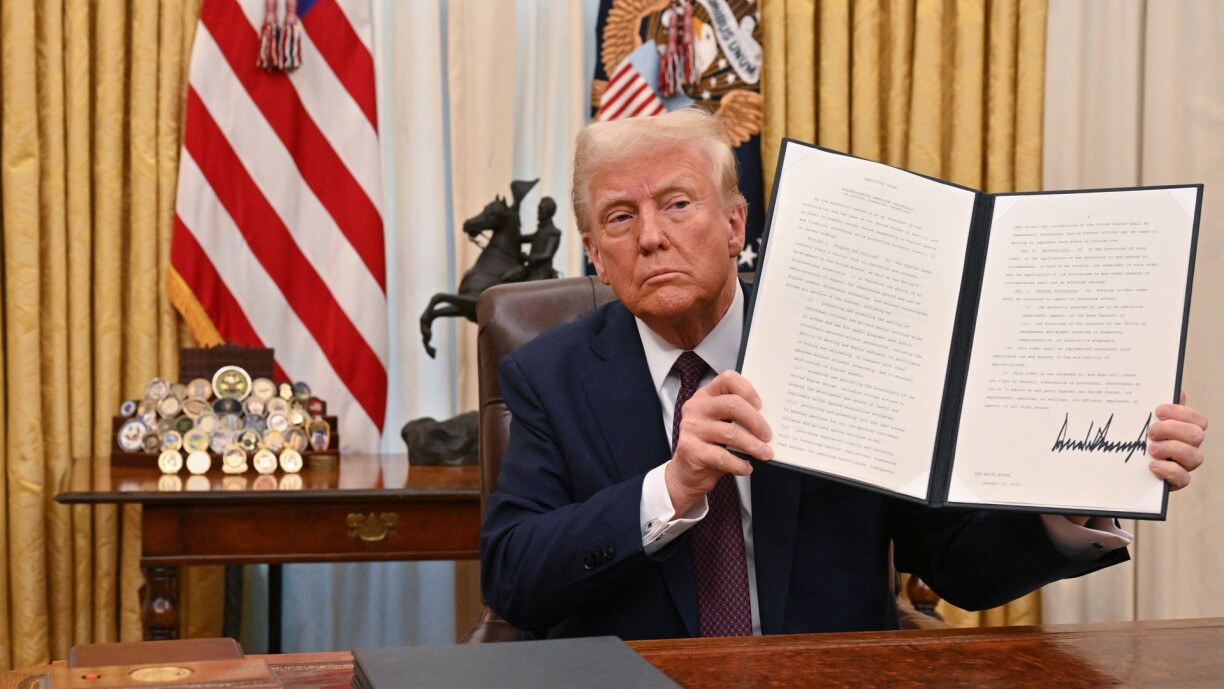
Donald Trump was sworn in as the 47th president of the United States, marking a historic comeback with pledges to reverse "woke" policies, declare a border emergency, and restore "American greatness".
Trump announced plans to end birthright citizenship, halt asylum programmes, deploy troops to the southern border, and reinstate the "Remain in Mexico" policy, sparking immediate legal challenges.
Trump's early executive orders included withdrawing from the Paris climate accord, leaving the WHO, renaming the Gulf of Mexico, and threatening military force to retake the Panama Canal, while he simultaneously called for a peace deal in Ukraine.
He's back – Donald Trump returned to the White House as the 47th president of the United States in a historic comeback, making him only the second president to serve non-consecutive terms after Grover Cleveland. His inauguration, held indoors due to freezing weather, featured a speech focused on reversing "American decline".
Trump pledged a "golden age" for the nation, emphasising hardline policies on immigration, culture wars, and government reform. He referenced his survival from an assassination attempt during his campaign as a divine sign to "make America great again".
Surrounded by wealthy and powerful figures, including Elon Musk and Jeff Bezos, Trump vowed dramatic changes to restore American respect and prosperity.
Flurry of orders – Trump wasted no time in rolling out aggressive immigration measures, including plans to end birthright citizenship, halt refugee programmes, and deport millions of undocumented immigrants. He declared a national emergency at the southern border, authorised the deployment of additional troops, and reinstated the "Remain in Mexico" policy to prevent migrants from entering the US until their applications were processed.
His administration also dismantled existing asylum pathways and ended the use of digital tools for scheduling migrant appointments at border entry points. Legal challenges arose immediately, with federal judges and civil rights groups arguing that some of these measures, such as altering birthright citizenship, were unconstitutional.
Global challenges – Trump's presidency quickly showcased polarising domestic and international policies. He issued executive orders to withdraw the US from the Paris climate accord and the World Health Organization while renaming the Gulf of Mexico to the "Gulf of America".
Internationally, Trump announced intentions to "take back" the Panama Canal, threatening military force if necessary, and criticised China's influence in the region. He also shifted his focus to ending the Ukraine war, urging Russian President Vladimir Putin to negotiate a peace deal, threatening sanctions and tariffs if he refused.
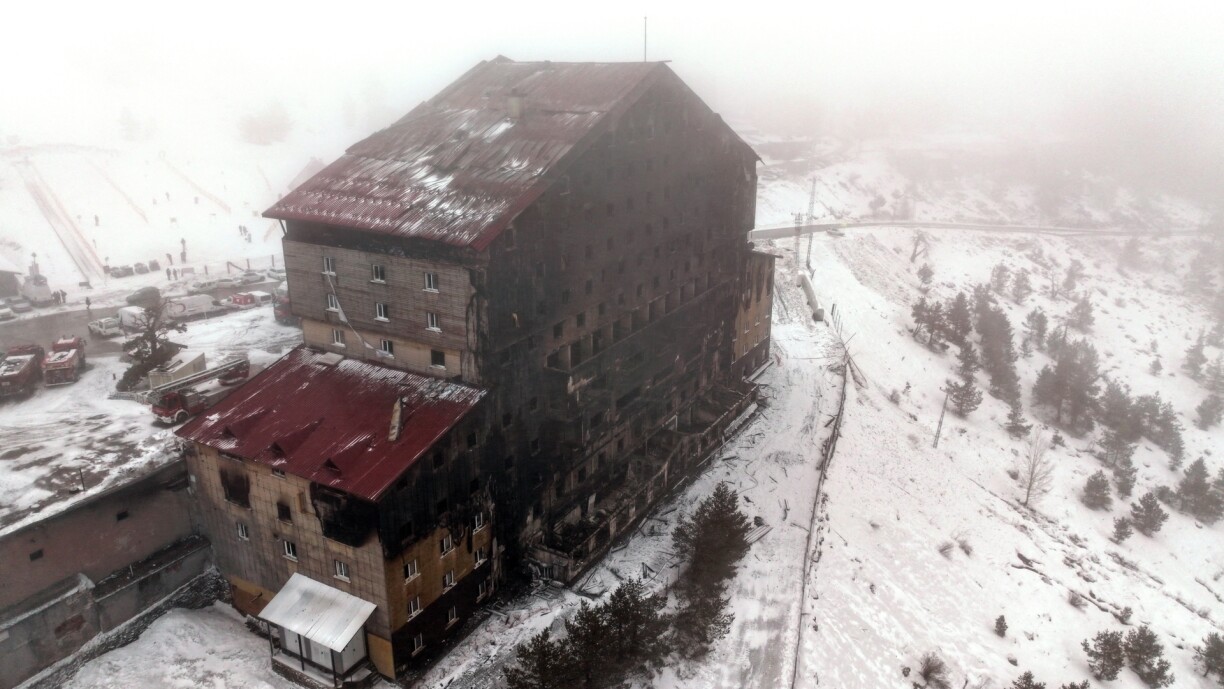
A fire at the Grand Kartal Hotel in Kartalkaya, Turkey, killed 78 people, with survivors reporting a lack of fire alarms, escape routes, and sprinklers, leading to panic and tragic fatalities.
Negligence and insufficient safety measures, including outdated fire inspections, wooden cladding, and inadequate emergency exits, have been identified as key factors in the high death toll.
Authorities have arrested 11 individuals, including the hotel owner and officials, while experts and officials prepare reports on the tragedy amid public outrage and calls for accountability.
Death and devastation – A devastating fire at the Grand Kartal Hotel in Kartalkaya, Turkey, claimed 78 lives during the early hours of Tuesday. The tragedy struck during peak ski season, with 238 guests staying at the 12-storey luxury hotel. Survivors described chaotic scenes as guests attempted to escape through windows, using bedsheets as makeshift ropes, while others jumped to their deaths.
Many reported that no fire alarms or smoke detectors were activated, leaving them with little warning to evacuate. Emergency response delays and the absence of visible safety mechanisms compounded the panic, resulting in harrowing stories of loss and survival.
Rapid spread – Investigations have revealed significant negligence and insufficient safety measures as key contributors to the high death toll. Experts noted that the hotel lacked a functioning alarm system, sprinklers, and adequate fire escapes, all of which are legally required for such facilities.
Wooden cladding on the building allowed the fire to spread rapidly, while the structure’s design limited firefighters’ access to critical areas. Although the hotel had passed fire safety inspections in 2021 and 2024, experts argue that outdated regulations and insufficient enforcement contributed to the disaster. Public anger has mounted as these revelations fuel accusations of widespread neglect.
Arrests made – In response to the tragedy, Turkish authorities have arrested 11 individuals, including the hotel owner, general manager, and fire chief of the nearby town of Bolu, to investigate their roles in the negligence. Officials, engineers, and architects are drafting detailed reports to determine accountability and propose solutions to prevent similar incidents in the future.
Public mourning has been accompanied by growing outrage over the failure to enforce safety standards, as survivors and the media demand justice for the victims.
Business & Tech – OpenAI on Thursday introduced an artificial intelligence programme called 'Operator' that can tend to online tasks such as ordering items or filling out forms.
Science & Environment – Firefighters who battled through the night to tame a new blaze that erupted near Los Angeles appeared to be making progress on Thursday, even as dangerous fire weather continued throughout Southern California.
Entertainment – Transgender cartel musical Emilia Perez topped this year's Oscar nominations, earning 13 nods in an announcement on Thursday postponed by the devastating Los Angeles wildfires.
Google in Luxembourg – While questions remain about Google's commitment to its Bissen data centre project, Minister of the Economy, Lex Delles, has assured that significant steps are being taken, expressing strong confidence in the project's progress.
Women in sports – Luxembourg marked International Women's Sports Day this week with a range of activities aimed at tackling gender disparities in sports, from boosting visibility to encouraging more women and girls to take part.
Press freedom – At the New Year's press reception, Press Council President Lynn Warken advocated for stronger press freedoms, better access to information, and increased resources to combat misinformation.

Your Weekly Recap is published every Friday at noon. Read earlier versions.





