
Here are five things you should know at the end of this week:

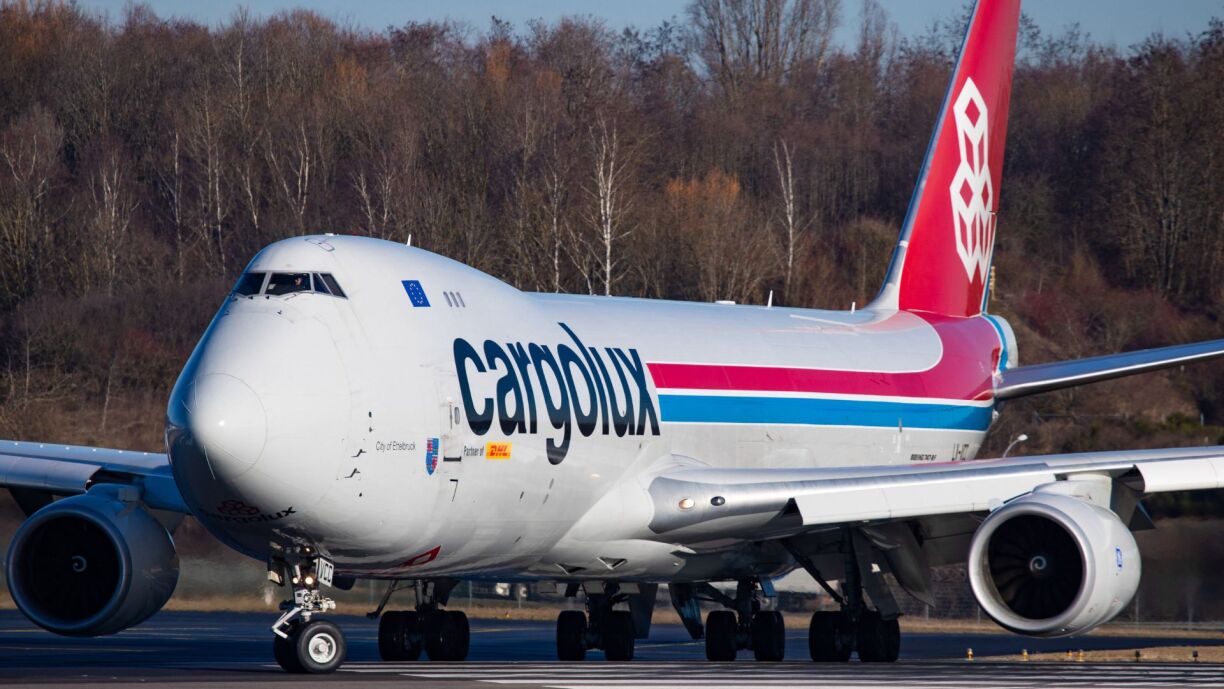
Cargolux employees, backed by major Luxembourg trade unions, have initiated a strike due to a longstanding disagreement over wage adjustments and the structure of planned pay increases, leading to a grounding of the entire global fleet of the cargo airline.
Historic strike - Cargolux, a prominent Luxembourg-based cargo airline, is experiencing significant disruptions in its operations due to a massive strike by its employees. The strike, supported by the Luxembourg Confederation of Christian Trade Unions (LCGB) and the Independent Luxembourg Trade Union Confederation (OGBL), follows unsuccessful negotiations over a new collective agreement.
The immediate impact of this strike is significant, with the entire global fleet of the company now grounded. This marks a historic moment for the airline as it is the first such action in its 50-year history.
Points of contention - The crux of the contention between the management of Cargolux and the unions centres around wage increases. The company has proposed a 5% salary increment spread across five years. In contrast, the trade unions are firm on a 6% hike over just four years.
Beyond this, the discourse has been complicated by the inclusion of bonus payments in the negotiations. Management highlighted substantial bonuses provided in recent years as part of the company's profit-sharing incentive.
However, the unions counter this by pointing out that bonuses are variable and distinct from regular salary structures. They also emphasise a long period (2003-2019) during which salaries saw little to no increase, underscoring the need for the demanded wage adjustments.
Solidarity from Luxair employees - The ongoing strike poses not only immediate operational challenges for Cargolux but also has longer-term financial implications. With an estimated loss of $25,000 per hour for each non-operational plane, the cumulative cost for the company is mounting swiftly.
As of now, there is no public indication from either the management or the unions about when or if negotiations might resume. Adding to the complexity, the situation at Cargolux has had a ripple effect on the broader aviation industry in Luxembourg. Luxair staff, represented by the Luxembourg Airline Pilots Association (ALPL), have expressed "complete solidarity" with the Cargolux employees, hinting at broader labor sentiments and potential future actions within the nation's airline industry.
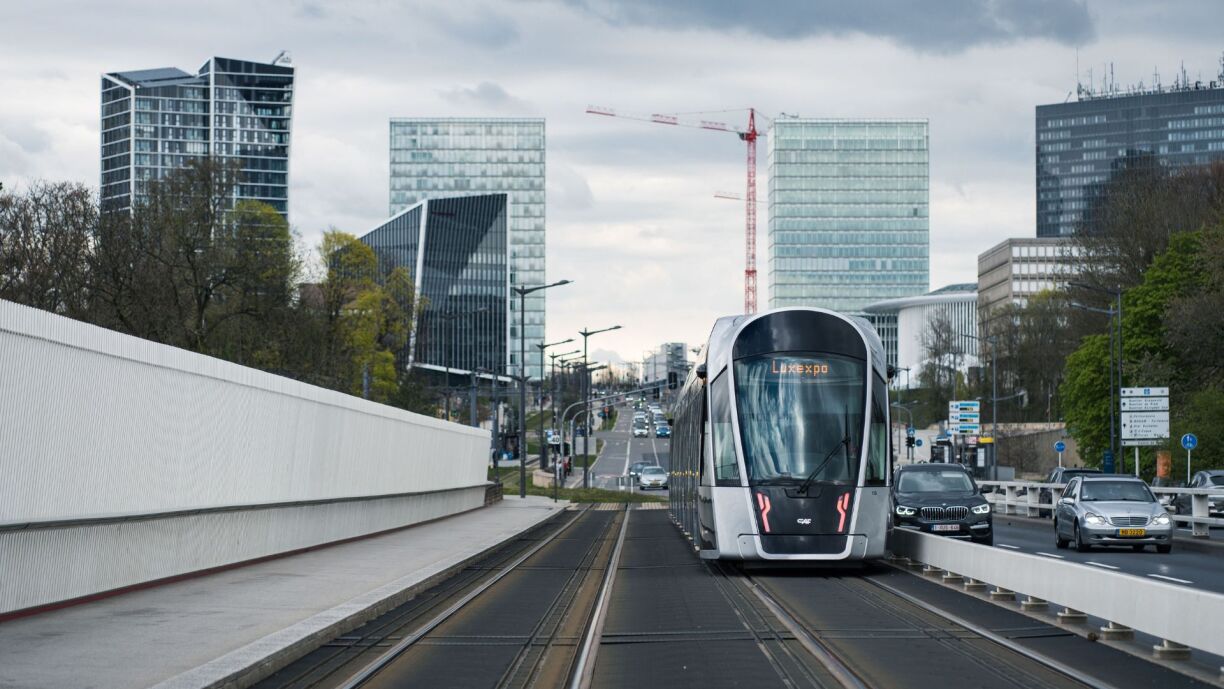
A €3 billion project, to be completed by 2035, aims to transform the A4 corridor between Luxembourg City and Esch-sur-Alzette with a high-speed tramline, express bicycle lane, and expanded motorway capacity.
Features include a dedicated carpool lane, an 18.7 km tram route with speeds up to 50 km/h, and a separate bikeway projected to increase ridership from 3,000 to 43,000 annually by 2035.
Luxtram's rapid tram design will offer enhanced comfort, double seating capacity, and a potential twelve to 15 stops, with the project's budget allocating nearly one-third (€960 million) for the tram's financing.
Multimodal transport approach - The grand project set to be rolled out over a span of twelve years represents a significant leap in improving connectivity in Luxembourg. Focusing on the A4, which connects the bustling City of Luxembourg to Esch-sur-Alzette, the €3 billion initiative plans to alleviate the current congestion issues by introducing a multimodal transport approach. This involves not just the widening of the motorway itself but also the integration of advanced transport solutions, emphasizing sustainable mobility options.
Rapid tram - At the heart of this ambitious project is the 18.7 km tram route, intended to operate at speeds up to 50 km/h, dramatically cutting down travel times between key locations. Another highlight is the dedicated carpool lane on the A4, especially designed to encourage shared journeys and reduce single-occupancy car travels.
Furthermore, the development of an express bicycle lane, entirely separate from vehicular traffic, is poised to see a dramatic increase in ridership. This dedicated path, drawing inspiration from models in countries like the Netherlands and Denmark, is projected to boost annual ridership figures from 3,000 to an impressive 43,000 by 2035.
Up to 15 stops - Luxtram, tasked with the rollout of the high-speed tram system, has prioritised both efficiency and user comfort in its design. The new trams are slated to be longer, accommodating up to 150 passengers, twice the capacity of current trams, and ensuring added seating comfort for passengers who would be spending longer durations onboard.
Financially, the tram component forms a significant chunk of the project's budget. Out of the €3 billion total, nearly €960 million has been earmarked solely for the tram's development. This includes infrastructure, the express cycleway, and the procurement of 24 rapid tram trains. Discussions are still ongoing regarding the precise number of stops, especially in the town of Esch, with figures ranging between twelve to 15 stops.

As summer holidays end, 60,901 primary students and 52,515 secondary students in Luxembourg are set to start the new academic year.
The teaching staff for the 2023/2024 academic year consists of 6,700 primary and 5,480 secondary educators, with females making up 80% of primary educators.
Lycée Technique du Centre (LTC) stands out, commencing the school year as the most populated school with almost 2,100 students.
Back to school - A combined total of over 113,000 students, split between 60,901 in primary and 52,515 in secondary schools, are eagerly preparing to embark on a new phase of their educational journey.
The new academic year will see 6,700 dedicated teachers at the helm in primary schools, guiding students through their foundational years. Primary education in Luxembourg showcases a prominent female majority, as they account for 80% of the teaching cohort.
Secondary education, with its array of specialised subjects, will be steered by 5,480 skilled educators, ensuring that students are well-equipped for the challenges ahead.
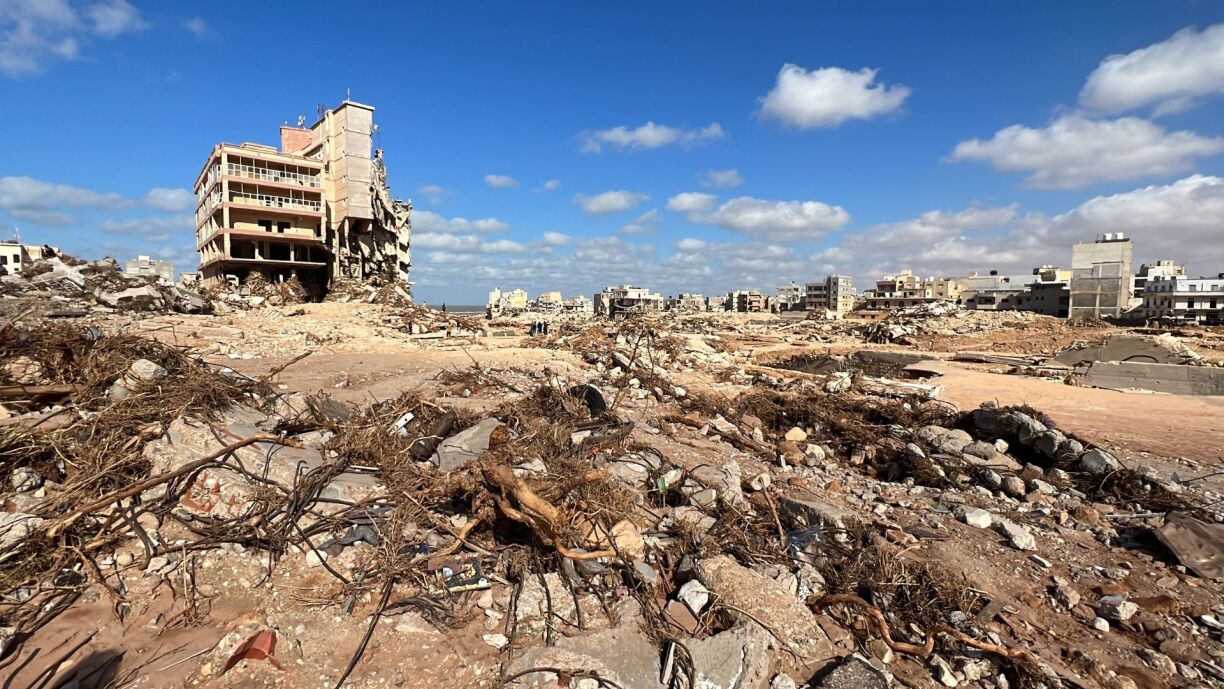
A massive flash flood from two burst dams devastated the Libyan port city of Derna, killing at least 5,000 and leaving thousands missing.
The floods were exacerbated by Storm Daniel and Libya's deteriorated infrastructure post the 2011 political upheaval.
Climate experts link the disaster to global warming effects, with Storm Daniel previously affecting Turkey, Bulgaria, and Greece, causing at least 27 deaths.
Thousands still unaccounted for - The Libyan port city of Derna experienced a tragedy of monumental proportions when a tremendous flash flood, caused by the rupture of two upstream dams, engulfed the city. This natural calamity led to the immediate death of at least 5,000 residents, with thousands still unaccounted for.
As a result, Derna, once a bustling city, has transformed into a vast wasteland, with remnants of entire city blocks and countless residents tragically swept away into the depths of the Mediterranean Sea.
Vulnerable infrastructure - The catastrophe in Derna was not just a consequence of a natural event as the floods were intensified by Storm Daniel. However, an underlying issue exacerbating the situation was Libya's poor infrastructure, which has been in decline since the political upheaval of 2011 that resulted in the ousting of Moamer Kadhafi. The country's internal strife and fragmented governance is said to have contributed to the lack of essential infrastructure maintenance and improvements, making the city more vulnerable to such disasters.
Storm Daniel - Experts in the field of climate science have drawn a direct link between the severity of the disaster in Derna and the broader effects of global warming. Storm Daniel, which gained momentum during an unusually hot summer, is a testament to the unpredictable and intensified weather patterns associated with climate change.
Prior to hitting Derna, this storm had already wreaked havoc in Turkey, Bulgaria, and Greece, where it caused extensive flooding and took the lives of at least 27 individuals. The events underline the global and destructive implications of a changing climate.
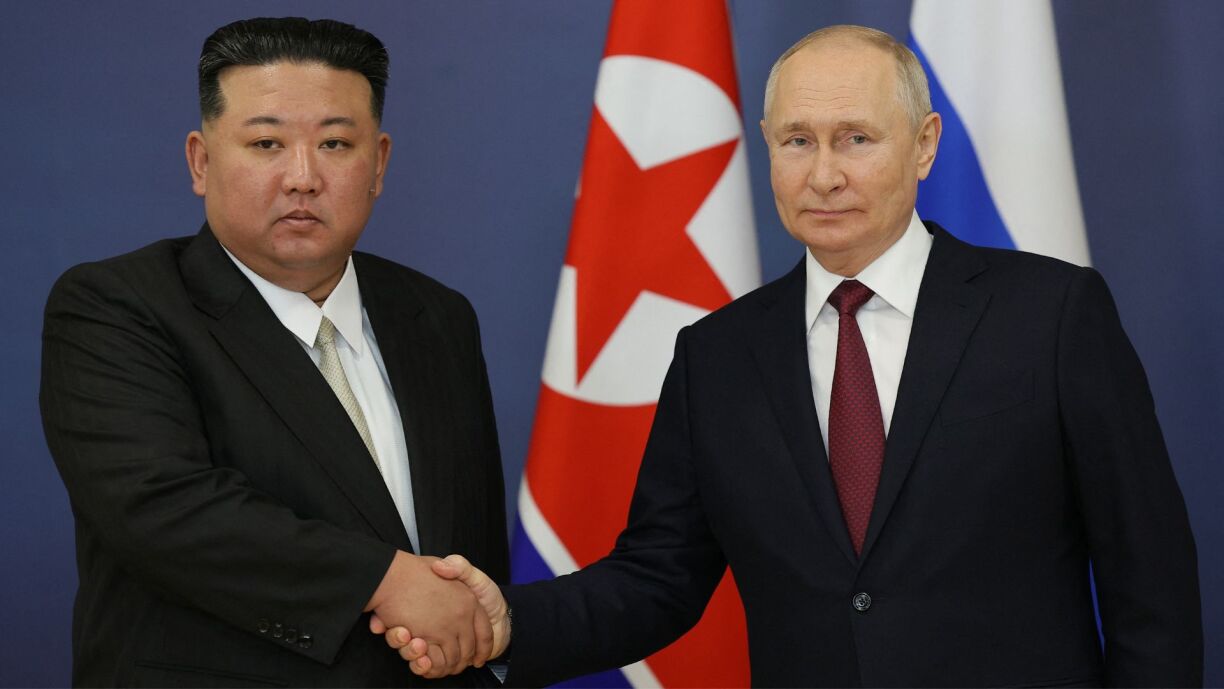
During a summit with President Vladimir Putin, North Korean leader Kim Jong Un visited a Russian military aviation factory, sparking concerns over potential arms deals between the two countries, both under global sanctions.
Kim's visit to Russia, his first official trip abroad since the Covid-19 pandemic began, includes consultations on military cooperation and tours of key Russian engineering and naval hubs.
The US, Japan, and South Korea have expressed concerns over potential illicit arms agreements, with Seoul considering further sanctions against Moscow and Pyongyang if an arms deal is confirmed.
Ostracised allies - During their recent summit, Kim Jong Un's visit to a Russian military aviation factory highlights the deepening ties between Russia and North Korea. Both nations are currently under significant global sanctions — Moscow for its activities in Ukraine and Pyongyang for its nuclear tests. This burgeoning relationship, particularly Kim's rare foreign visit, has sparked international apprehension over the possibility of an arms deal between these two nations, further destabilizing geopolitical relations.
Rare trip - Kim Jong Un's journey to Russia is significant, marking his first international trip since the onset of the Covid-19 pandemic. During his visit, he has been engaging in discussions on military cooperation and has toured key regions in Russia, including engineering hubs and potentially the port of Vladivostok to observe the capabilities of Russia's Pacific Fleet. This extensive tour, combined with his military-heavy entourage, underscores the focus on defense and military advancements.
Seoul on high alert - The increasing closeness between Russia and North Korea has not gone unnoticed by the international community. The US, alongside regional powers Japan and South Korea, have voiced their concerns regarding potential covert arms deals, especially given North Korea's history of nuclear ambitions and Russia's ongoing conflict with Ukraine. Seoul has even gone a step further, contemplating additional sanctions against both countries should evidence of an arms agreement emerge, emphasizing the potential threats such a deal could pose to the Korean peninsula and beyond.
Business & Tech - Apple unveiled its new iPhone lineup on Tuesday, with its Lightning charger ports replaced on the newest models by a universal charger after a tussle with the European Union.
Science & Environment - The alleged bodies of two "non-human beings" were presented during a congressional hearing in Mexico, generating a mixture of surprise, disbelief, and ridicule on social media on Wednesday.https://today.rtl.lu/news/world/a/2066108.html
Entertainment - Taylor Swift cleaned up at Tuesday's MTV Video Music Awards, as Shakira accepted the night's prestigious Video Vanguard prize with a hip-shaking, career-spanning performance.
Covid-19 - The Superior Council of Infectious Diseases is meeting in September to discuss their official recommendation for a Covid vaccine top-up this autumn.
Not afraid of heights - Firefighters heroically rescued a crane operator who suffered a heart attack 30 metres above ground at a construction site on Tuesday afternoon.https://today.rtl.lu/news/world/a/2066108.html
Digital regulations - The Luxembourg Government Council has greenlit the 'Digital Services Act' (DSA), imposing stringent regulations on major online platforms, including Amazon, YouTube, and X, to identify and remove illegal content, with significant penalties for non-compliance.

Your Weekly Recap is published every Friday at noon. Read earlier versions.





