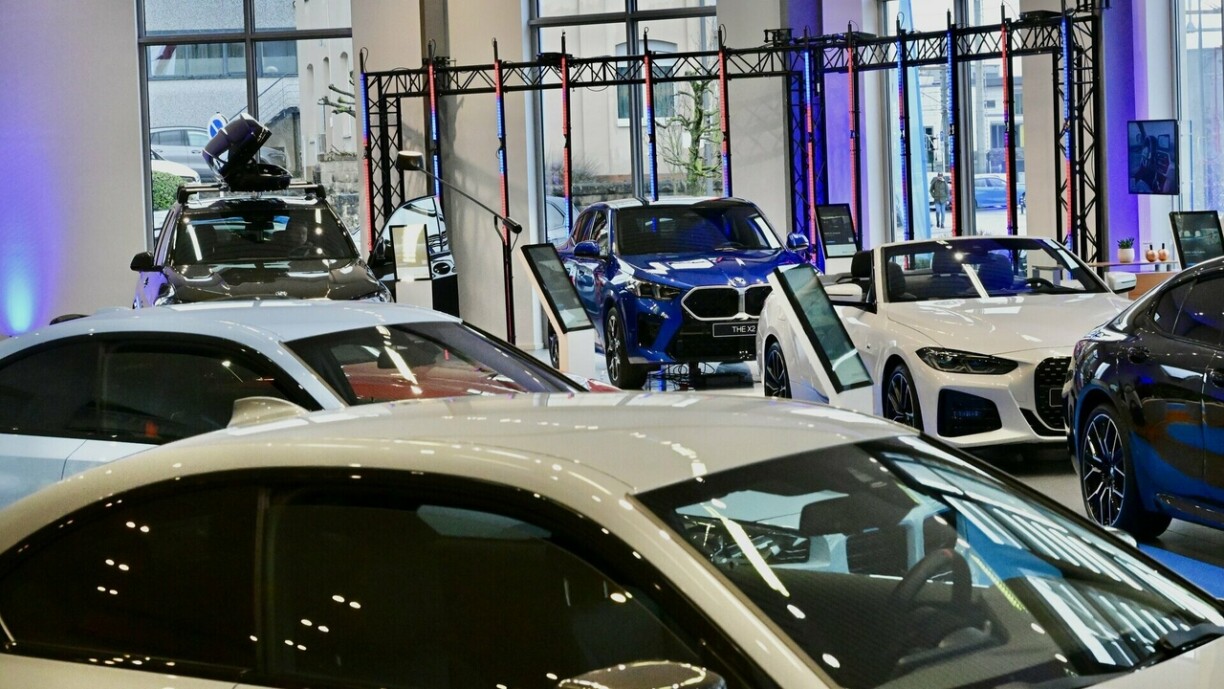
Last year, Autopolis acquired the Ford dealership from Garage Pirsch and Collé, and Garage Deltgen lost Toyota to CarAvenue. But even in previous years, renowned traditional businesses in the country, such as Étoile Garage, Rodenbourg, Lentz, or GGL, disappeared. It's a noticeable trend: small businesses are vanishing, and large distributors are gaining market shares
Even if there are no official figures, it can be assumed that a small number of dealers and garages such as Losch, Autopolis, Merbag, CarAvenue, and Bilia currently hold significant influence in the Luxembourgish car market. It has become noticeable that most major dealers come from abroad, or have foreign investors. In fact, the entire European car market is facing substantial pressure due to intense competition.
To put it bluntly, the cause of this trend is the rise of electric cars. Manufacturers, burdened with significant investments in electromobility, try to offset these costs with various measures. Consequently, the number of distribution partners is markedly reduced, leading to decreased margins for dealers. Simultaneously, manufacturers are increasingly demanding hefty investments from dealers, a challenge better managed by large corporations than small local businesses.
Fewer dealers leads to less competition, meaning that clients cannot negotiate as effectively. Several car brands aim to phase out the traditional discount system and move towards fixed prices. Implementing policies is also more manageable with a few large partners than with numerous small ones.
In the future, it is more than likely is that we will order our new cars directly from the manufacturer online anyway, bypassing the need for an intermediary dealer. Tesla has set the precedent, and many brands are exploring this system. It allows them to exercise greater control over the sales process and manage costs more efficiently.
Watch the video report in Luxembourgish





