
Here are five things you should know at the end of this week:


Luxembourg City Mayor Lydie Polfer has requested an urgent meeting with Prime Minister Luc Frieden to address systemic issues in the Gare neighbourhood, including crime, lack of judicial follow-up, and residents' growing frustrations.
Tipping point – Mayor Lydie Polfer has highlighted the "untenable" situation in Luxembourg City's Gare neighbourhood, where unresolved crime and a lack of judicial action have exacerbated public frustration. In her call for an urgent meeting with Prime Minister Luc Frieden, Polfer stressed the need for a task force involving key ministers to address the challenges more effectively.
She emphasised that the issues are not just perceptions but a stark reality confirmed by official statistics. Polfer's comments reflect widespread discontent among residents, who feel that despite police efforts, systemic issues persist, leaving offenders unchecked and the community disillusioned.
Read also: Opinion – We need to act sooner rather than later to save Gare
Authorities alarmed – The Luxembourg police and judicial system face significant hurdles due to understaffing and procedural inefficiencies, leading to a prioritisation of serious crimes and dismissal of less severe cases. Prosecutor General Martine Solovieff has called attention to the pressing need for reforms, highlighting the strain on judicial resources.
Police have expressed frustration at their inability to address all cases effectively, as prosecution decisions lie outside their control. Both the police and their union advocate for simplified procedures, increased recruitment, and measures to alleviate the burden on courts, ensuring public safety and reinforcing trust in the justice system.
Residents' frustrations – Residents of the Gare neighbourhood are increasingly disillusioned with the perceived inaction from authorities, with some contemplating extreme measures, such as forming a militia, to address crime and disorder. While these discussions remain largely rhetorical, they underscore the depth of frustration and the urgency of the situation.
Residents have expressed dissatisfaction with citizen assemblies and other government initiatives that they believe lack tangible outcomes. Local activist Patrick Reisdorff has proposed measures like deploying sniffer dogs and increasing on-the-ground police presence, urging officials to implement concrete solutions to prevent the community from taking matters into their own hands, which could undermine democratic processes.
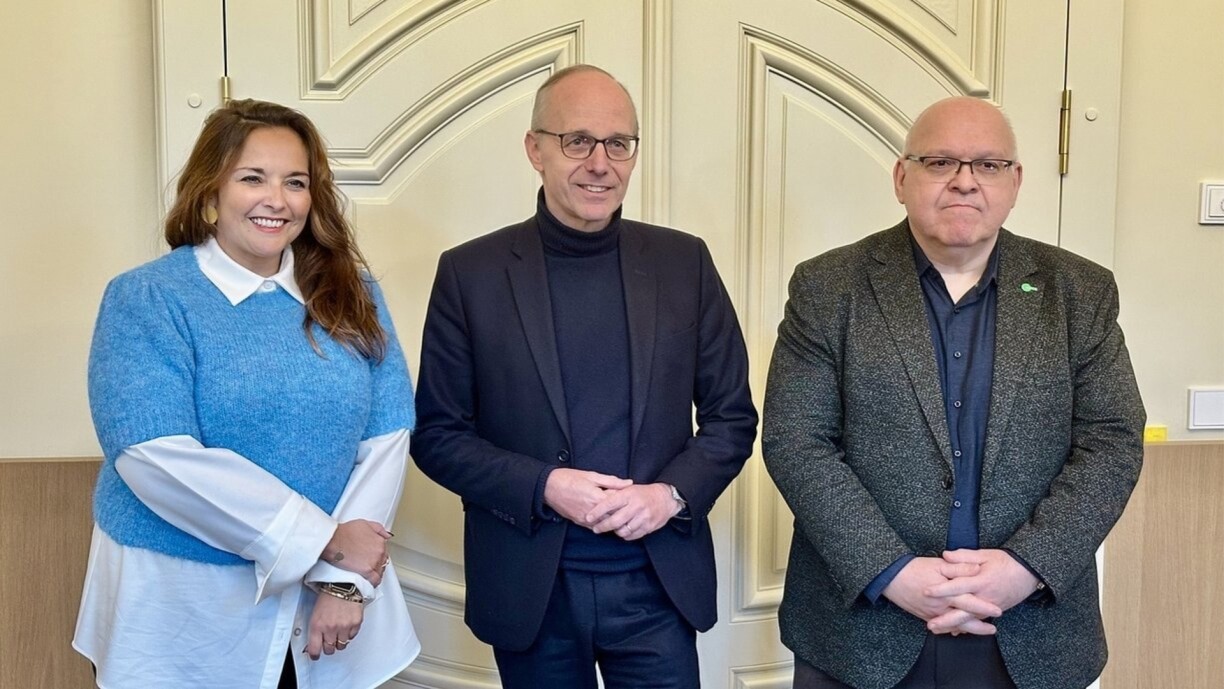
Prime Minister Luc Frieden announced plans for a "major social roundtable discussion" to address strained labour relations, focusing on issues such as collective bargaining, Sunday work hours, and pension reform.
Union leaders described a meeting with the PM as constructive but noted a lack of concrete outcomes, while employers and stakeholders expressed skepticism about the purpose and format of the proposed discussions.
Critics, including opposition politicians, accused the government of favouring employers over unions and failing to adequately involve key figures like Labour Minister Georges Mischo in the dialogue.
Open dialogue – Prime Minister Luc Frieden's announcement of a "major social roundtable discussion" marks an effort to address tensions between the government, trade unions, and employers that have intensified in the past months. Key issues include maintaining trade unions' exclusive rights to negotiate collective agreements, extending Sunday work hours, and revisiting pension reforms. Frieden emphasised the need for open dialogue to preserve Luxembourg's social stability, which he argued is a crucial asset for the country's economic competitiveness.
Cautious optimism – Union leaders welcomed the government's initiative, noting a shift in tone during the discussions, but expressed concerns about the lack of specific resolutions or guarantees. Nora Back, president of the Independent Luxembourg Trade Union Confederation (OGBL), highlighted the constructive atmosphere but urged the government to translate dialogue into actionable results.
Employers, represented by Michel Reckinger of the Luxembourg Employers' Association (UEL), questioned the need for a new format, emphasising the sufficiency of existing platforms like the Permanent Committee on Labour and Employment. This divergence in expectations between unions, employers, and the government underscores the challenges of aligning all parties toward a unified approach.
Persisting scepticism – Opposition politicians and stakeholders have criticised the government for its perceived pro-employer stance and lack of inclusivity in handling labour relations. The absence of Labour Minister Georges Mischo, whom many view as central to the tensions, was a particular point of contention.
Figures like Sam Tanson of The Greens and Taina Bofferding of the Luxembourg Socialist Workers' Party (LSAP) expressed concerns over the diminishing recognition of trade unions' historical role and the government's avoidance of the term "tripartite", suggesting an unwillingness to confront the scale of the labour issues. Critics further argued that while dialogue is crucial, the government must actively work to restore trust and balance in labour relations to maintain the social harmony that has historically underpinned Luxembourg's success.
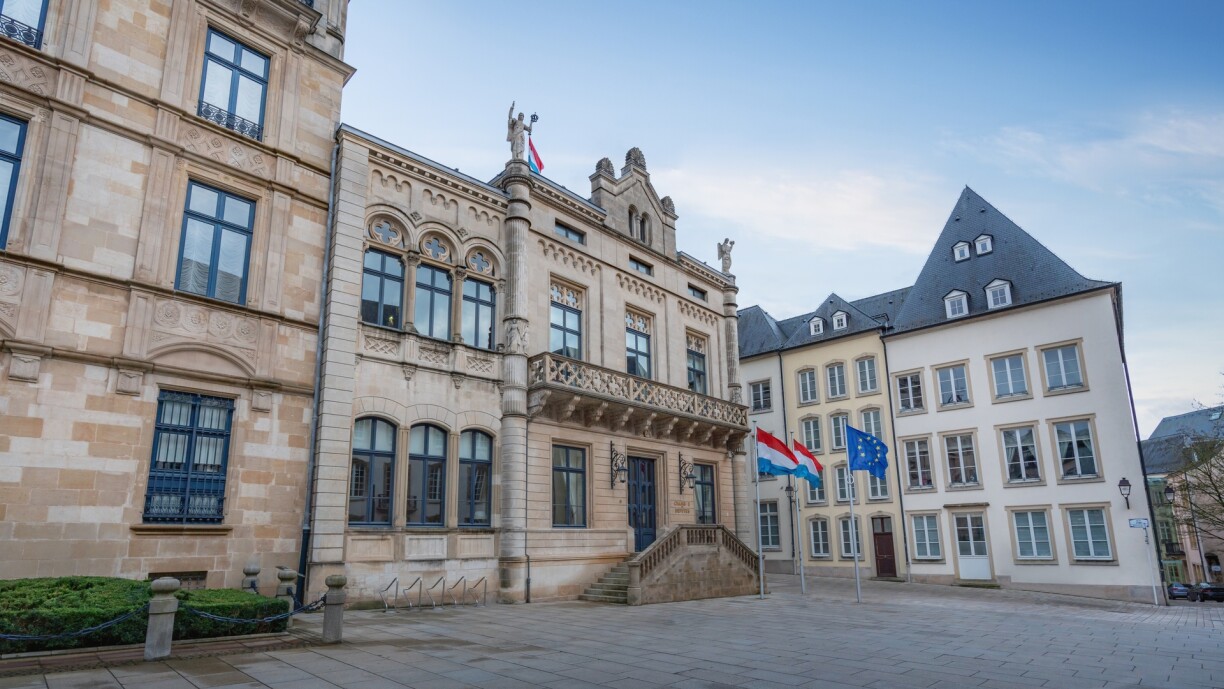
The Pirate Party and ADR face legal complaints from the Chamber's executive budget commission for alleged violations of Luxembourg's party financing laws.
The Pirate Party is accused of improper car leasing practices, with a vehicle's financial and functional link to the party remaining unclear.
The ADR is under scrutiny for its 2023 election candidates' failure to submit mandatory declarations of honour regarding donation limits.
Legal action – The Chamber's executive budget commission has initiated legal action against the Pirate Party and the Alternative Democratic Reform Party (ADR) for allegedly breaching Luxembourg's stringent party financing laws. These laws are designed to ensure transparency and accountability in the financial activities of political parties. The complaints are based on findings from the Court of Auditors, which highlighted discrepancies in the financial records and practices of both parties during the 2023 election cycle.
Pirates in hot water – The Pirate Party is specifically accused of mismanaging a car leasing contract. The Court of Auditors flagged this issue, noting that the vehicle in question, made available to an elected party member, lacked any clear financial record in 2023. Additionally, the report questioned the connection between the car's use and the party's activities, suggesting a potential misuse of resources.
ADR under fire – For the ADR, the legal complaint centres on its candidates' failure to submit the mandatory 'declaration of honour' during the 2023 Chamber elections. This declaration is a legal requirement that obligates candidates to affirm they will not accept individual donations exceeding €250. According to the report, none of the ADR's 60 candidates fulfilled this obligation, a violation that could carry serious legal repercussions.

Qatar and the US brokered a ceasefire and hostage-release deal between Israel and Hamas, set to begin on Sunday, aiming for an eventual permanent resolution to the Gaza conflict after 15 months of war.
The deal includes a 42-day ceasefire, the release of 33 hostages in exchange for Palestinian prisoners, and a withdrawal of Israeli forces from Gaza's densely populated areas, though challenges and ongoing strikes persist.
International figures, including US leaders Biden and Trump, played roles in the negotiations, with global reactions highlighting the need for humanitarian aid and justice for alleged war crimes in Gaza.
A 'step forward' – Qatar and the United States announced a ceasefire and hostage-release agreement between Israel and Hamas, marking a potential turning point in the 15-month-long Gaza conflict. The deal, set to commence on Sunday, was hailed as a "positive step forward" by Luxembourg PM Luc Frieden, as well as other world leaders.
Mediators emphasised the importance of the agreement in paving the way for a permanent resolution, with leaders like US President Joe Biden and Qatari Prime Minister Sheikh Mohammed expressing optimism that this truce could lead to lasting peace. Despite the announcement, some Israeli officials and far-right cabinet members expressed skepticism about the deal's long-term implications for security.
Mistrust persists – The agreement outlines an initial 42-day ceasefire, during which 33 Israeli hostages will be released in exchange for Palestinian prisoners held in Israeli jails. Additionally, Israeli forces are expected to withdraw from Gaza's densely populated areas to facilitate the safe return of displaced civilians to their homes.
However, the situation remains fragile, with ongoing Israeli airstrikes reported even after the agreement, resulting in significant casualties. The implementation of the truce faces logistical and political hurdles, including disagreements over prisoner exchange lists and mistrust between the parties.
Calls for accountability – The international community has widely welcomed the ceasefire, with leaders like Biden and incoming US President Donald Trump claiming credit for the breakthrough. European Union officials announced a substantial aid package of €120 million to address the humanitarian crisis in Gaza, emphasising the need for unhindered aid access.
Meanwhile, human rights groups highlighted the need for accountability for alleged war crimes committed during the conflict. Calls for justice and rebuilding efforts underline the urgency of addressing the long-term needs of Gaza’s displaced population, with UN agencies warning of catastrophic food insecurity and infrastructure collapse.
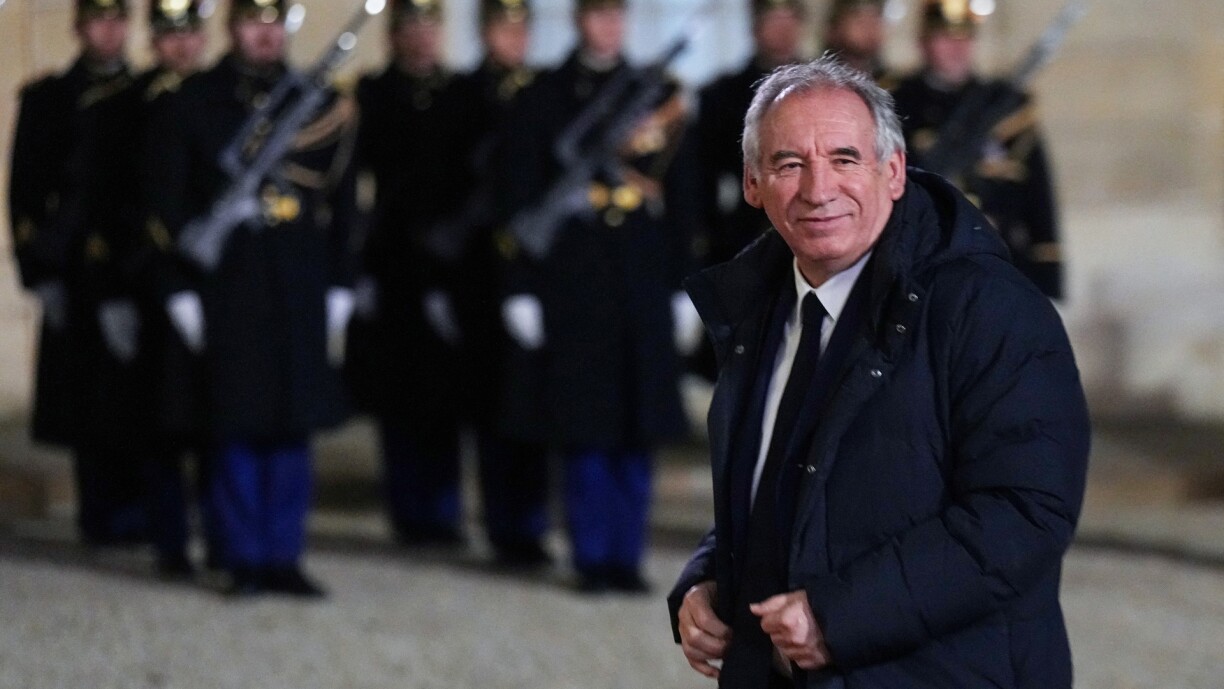
French Prime Minister Francois Bayrou survived a no-confidence vote in parliament as the motion by the leftist France Unbowed (LFI) failed to secure support from the far-right National Rally (RN) or other opposition groups.
The motion stemmed from Bayrou's proposal to reopen pension reform discussions and reduce France's deficits, which sparked criticism in a parliament where his government lacks an absolute majority.
The vote highlighted divisions within the opposition, with the Socialists breaking from the LFI and Bayrou emphasising the potential for "understanding" amid ongoing political instability since President Macron dissolved the National Assembly last year.
Confidence remains – French Prime Minister Francois Bayrou successfully weathered his first no-confidence vote in parliament, as the motion brought by the hard-left France Unbowed (LFI) failed to gain traction. Despite harsh rhetoric from opposition figures like LFI coordinator Manuel Bompard, who warned Bayrou’s government was on borrowed time, the motion did not secure the necessary support from other parties, particularly the far-right National Rally (RN).
RN leaders, including Jordan Bardella and Jean-Philippe Tanguy, dismissed the effort as politically superficial, indicating that their party would reserve judgment for more substantive issues like the upcoming 2025 budget proposal.
Unpopular policies – The no-confidence motion stemmed from Bayrou's recent policy agenda, where he proposed reopening discussions on the contentious 2023 pension reform "without taboo" and emphasised the urgent need to cut France's deficits in the 2024 budget. His statements reignited tensions in a parliament where his government lacks an absolute majority, making it vulnerable to opposition challenges.
The speech drew condemnation across the political spectrum, with critics accusing Bayrou of continuing unpopular policies, although some factions signalled a willingness to engage with his proposals rather than topple the government outright.
Fragmented opposition – The vote underscored deep divisions within the opposition, with the Socialists notably breaking ranks with their allies in the leftist New Popular Front (NFP) coalition by refusing to support the LFI’s motion. This decision prompted Bayrou to express hope for a path toward cooperation with moderate opposition members, contrasting with the combative rhetoric of LFI and its leader, Jean-Luc Mélenchon.
Although some Ecologists and Communists in the NFP voted for the motion, they also left the door open for dialogue with the government, reflecting a fragmented and unstable political landscape that has persisted since President Macron's decision to dissolve the National Assembly last year.
Business & Tech – Nintendo shares tumbled as much as 7% on Friday after the Japanese games giant failed to impress with a teaser video of its hotly awaited Switch 2 console.
Science & Environment – Blue Origin, the space company founded by billionaire Jeff Bezos, launched its massive New Glenn rocket into orbit for the first time early Thursday, marking a new step in the commercial space race.
Entertainment – Hollywood power couple Blake Lively and Ryan Reynolds are being targeted in a $400 million defamation suit by Justin Baldoni, Lively's co-star on bleak romance It Ends With Us – the latest caustic twist in the legal battle engulfing the film.
Food – With his entire team in tow, Michelin-starred chef René Mathieu has opened Fields at Findel Airport, continuing his legacy of innovative plant-based cuisine after two decades at La Distillerie.
Mobility – In 2024, the CFL welcomed a record-breaking 31.3 million passengers aboard its trains, surpassing the previous record of 28.7 million in 2023.
Culture – Minister for Culture Eric Thill has announced new initiatives to promote Luxembourgish, including a 'Day of the Luxembourgish Language' and a permanent exhibition, while highlighting the daily use of digital language tools like the Luxembourg Online Dictionary.

Your Weekly Recap is published every Friday at noon. Read earlier versions.





