While text message scams are on the rise, not everyone necessarily receives the same messages, according to Luis Camara, director of Tango, who says that “the scams are becoming increasingly personalised.”
Speaking to our colleagues from RTL 5 Minutes, Camara pointed out that when we surf the internet, “we leave traces”. These traces are exploited by the crooks behind the phishing attempts.
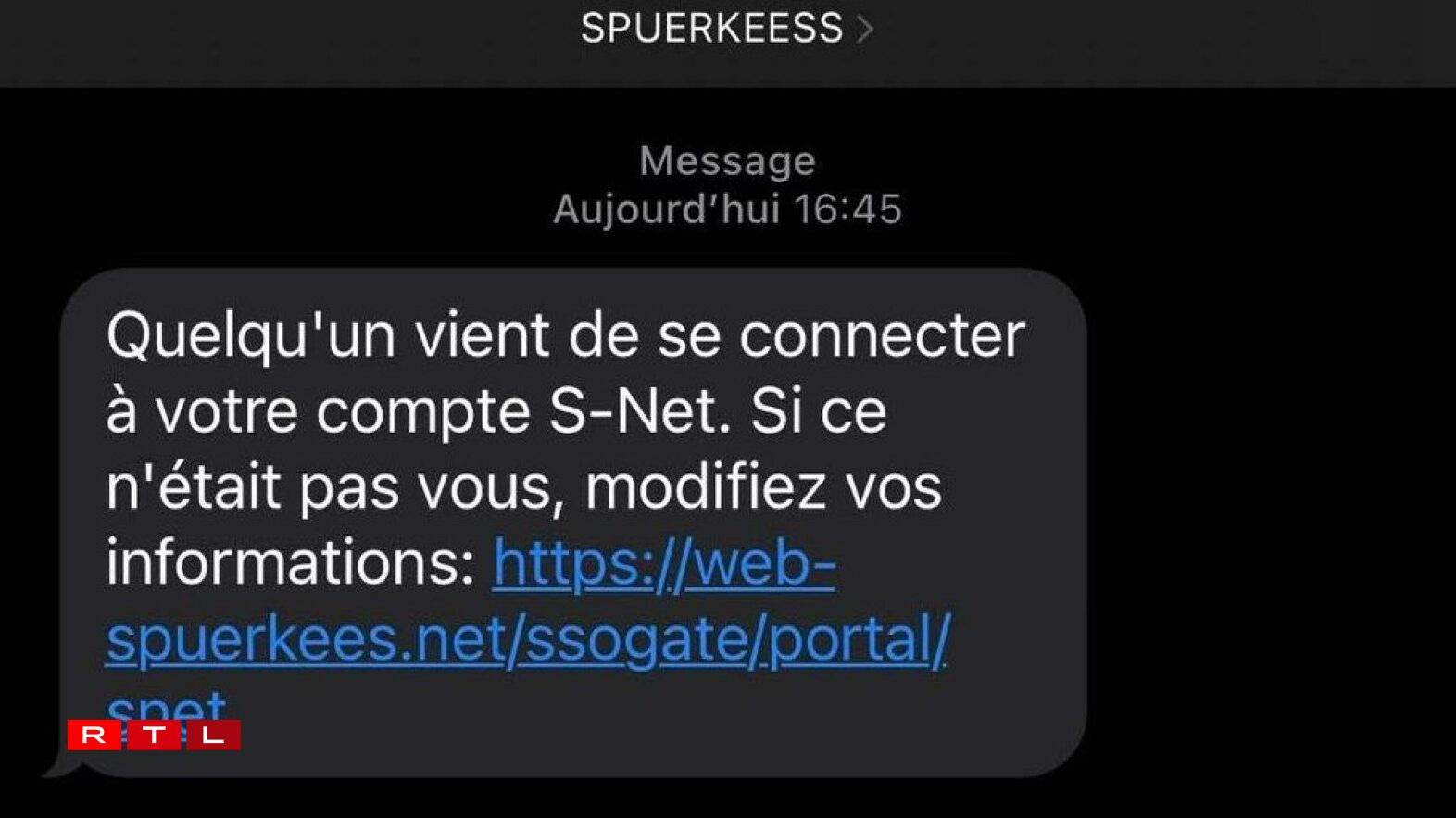
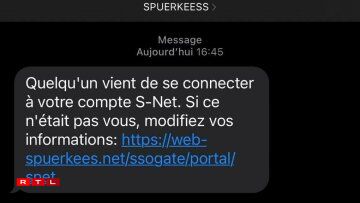
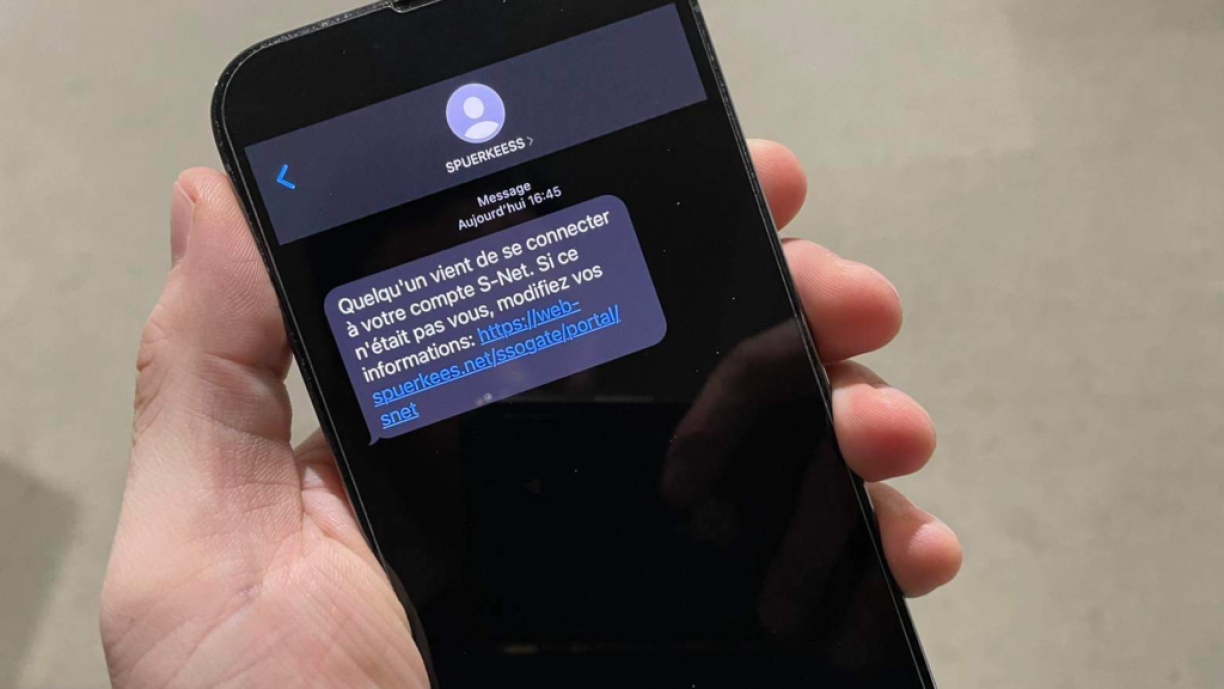
“If you receive a text message from a number pretending to be Spuerkeess, it’s probably because you’re a customer and use their services”, he explains. The scammers are able to “cross-reference information” gathered online “to send you scams that fit your profile”.
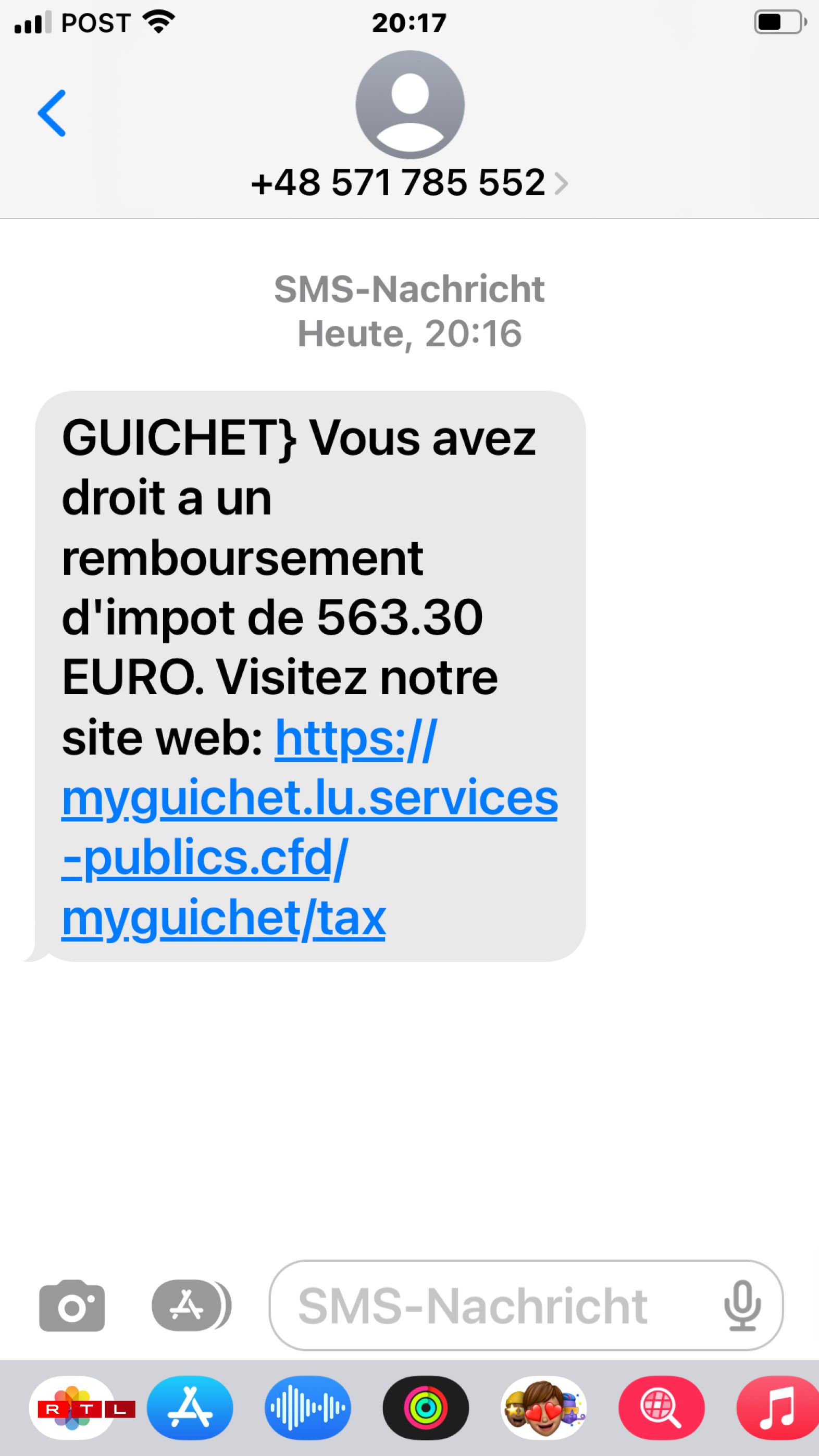
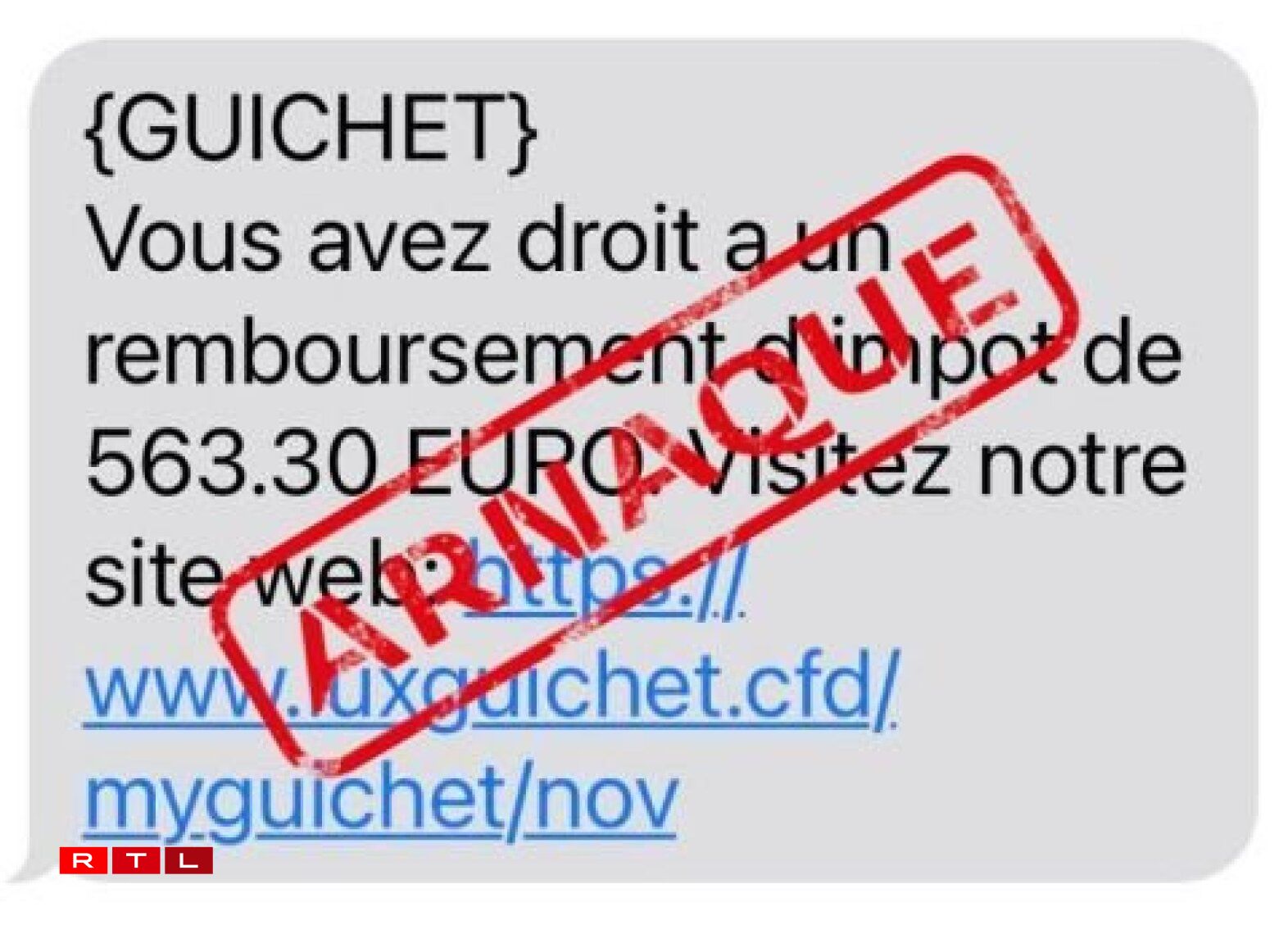
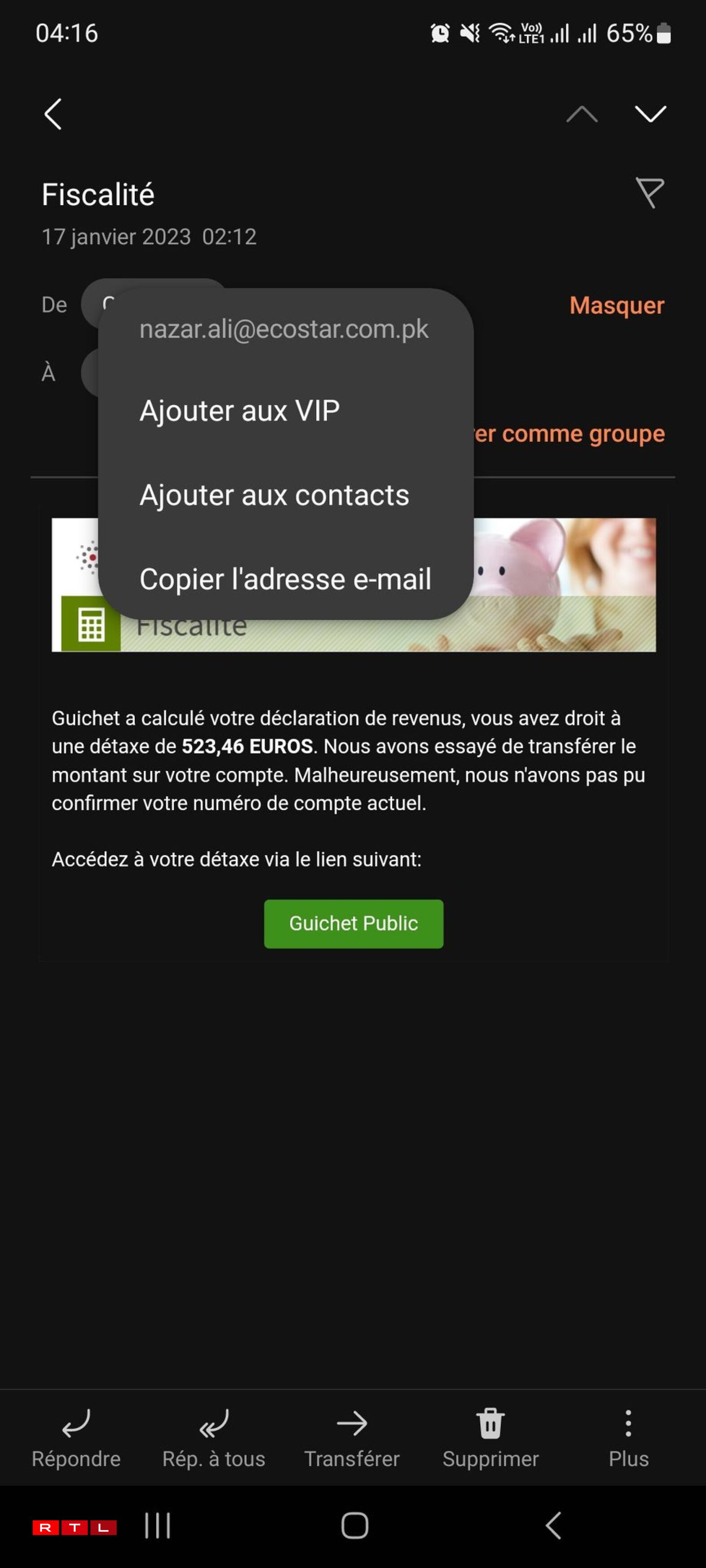
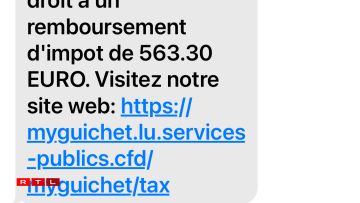
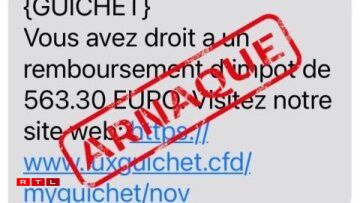
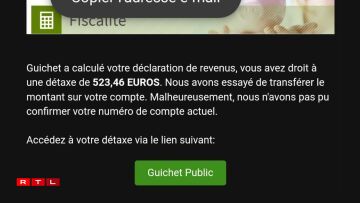
This rule applies to all scams circulating in Luxembourg, whether by text message or email. If you receive a message claiming you are entitled to a tax refund, it could therefore be linked to the fact that you were browsing the Guichet.lu portal.
Camara’s advice is not to panic. There are solutions that can help you avoid being followed or targeted. In fact, Tango launched a specialised cybersecurity service last summer to protect its customers from phishing attempts and scams of all kinds. According to Camara, this system blocked nearly “1.5 million threats in less than six months”.
Putting these figures in relation to the number of customers who have subscribed to this service, he estimates that this represents “80 threats per month and per customer”. The Tango manager goes even further, saying that some households are targeted “up to three times a day”.
Not keen to sign up to a service? Camara offers the following advice:
“As soon as you are asked to enter your personal data, you should be wary”, he says.
“Check the authenticity of the hyperlinks sent to you and don’t click on anything if you have any doubts”, he adds. A useful tip is to block the number that tries to obtain information or money from you.
“Blocking is all very well, but there’s a chance that they’ll just use another number to contact you afterwards”, the Tango manager warns.
Users should thus remain cautious. Especially since, according to Camara, “sooner or later, all the major brands will be affected” by these fraudulent messages.
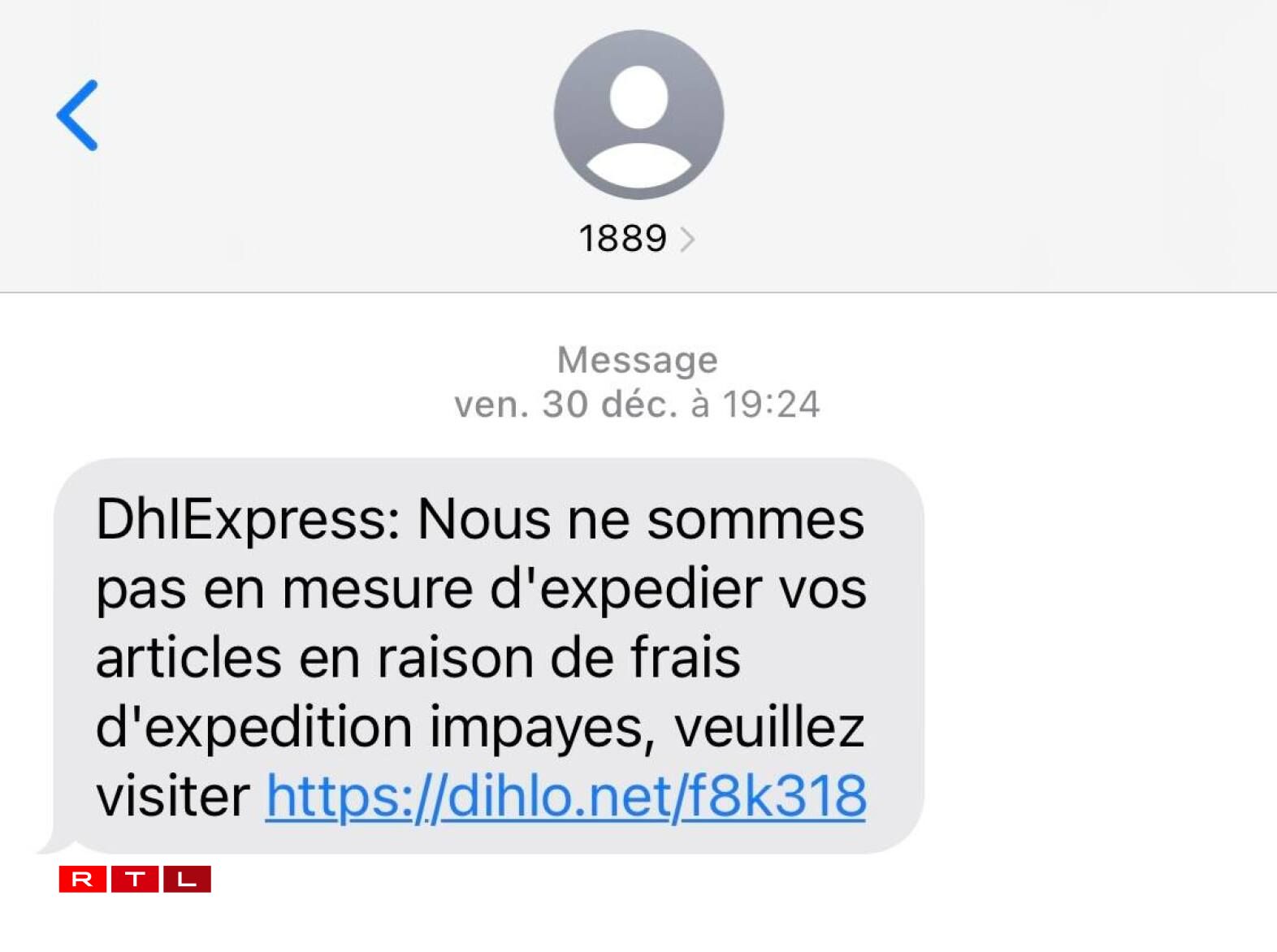
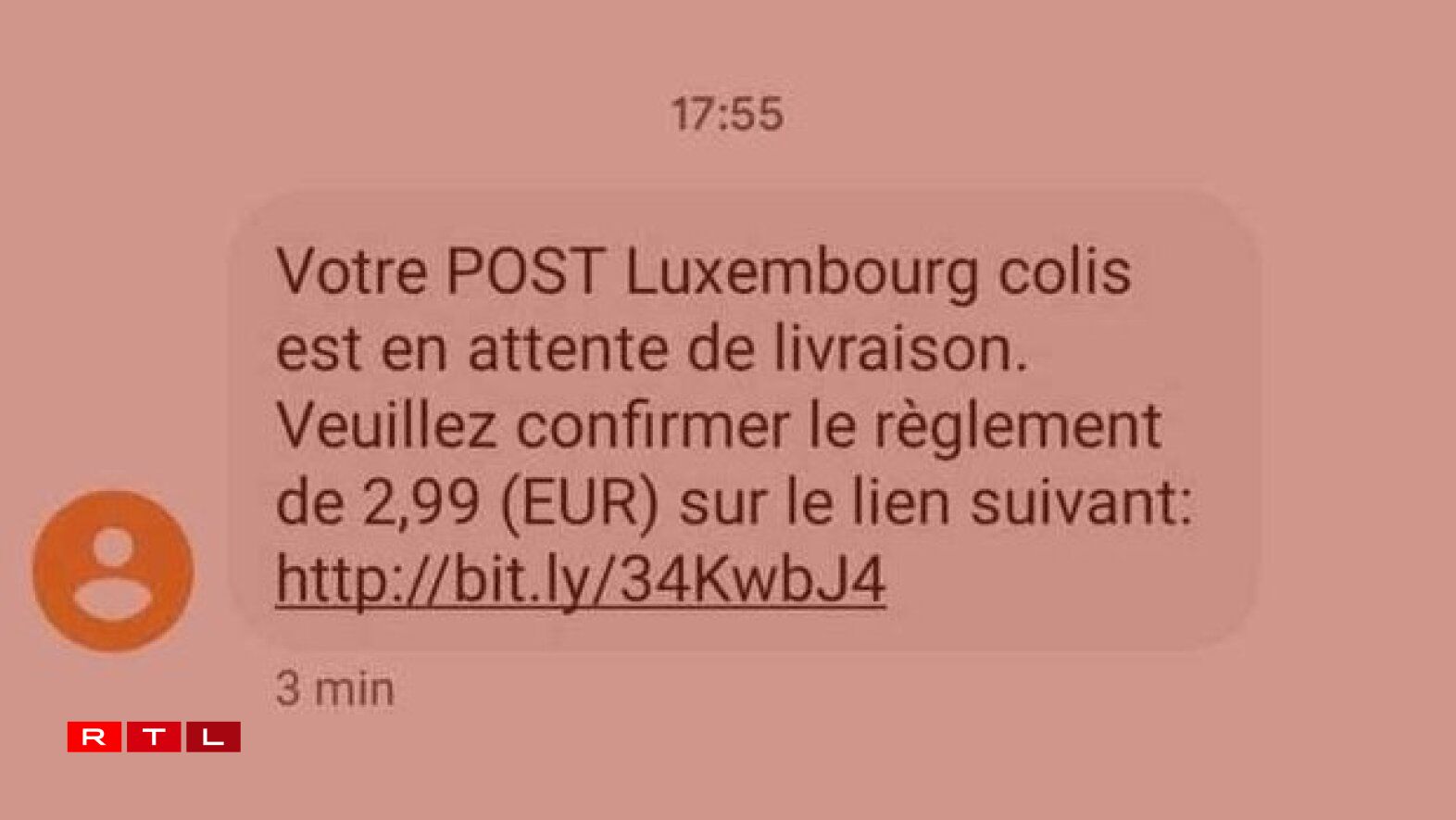
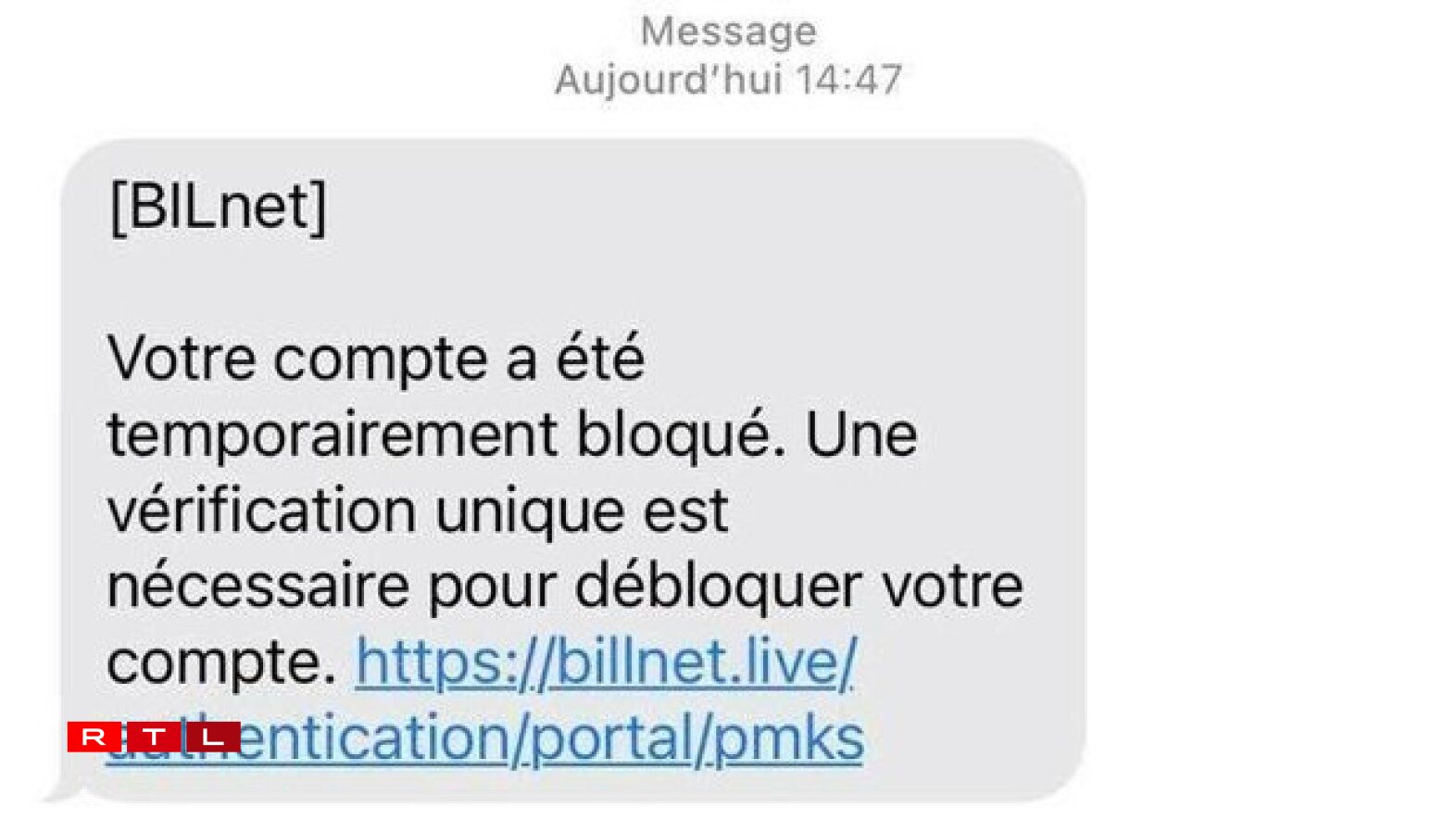
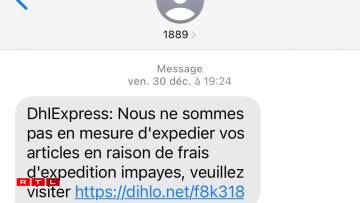
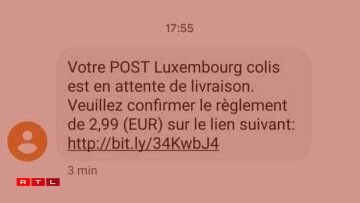
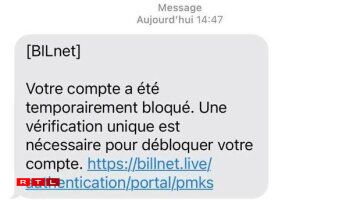
Scammers have already tried to impersonate Post, Guichet, Spuerkeess (BCEE), Banque Internationale de Luxembourg (BIL), Netflix, Luxtrust, and more recently DHL, as confirmed by a 5 Minutes reader on Saturday morning.
Here is what these messages and emails may look like: