
The study focussed on the satisfaction of beneficiaries of long-term care insurance (assurance dépendance) and their caregivers.
Caregivers are not professional nurses, but often private individuals related to the person in need of care. Pascale Kolb, who works for the long-term care insurance, explains that the caregiver is also evaluated by the insurance to ensure that they are actually available.
The term ‘caregiver’ (aidant) designates people who provide long-term assistance, i.e. not someone hired on a temporary basis to lend a hand.
90% of the caregivers interviewed intervene every day and 88% several times a day with the dependent person. The interventions concern both help with the essential acts of life (91%), but also, more generally, with the tasks of daily life (97%) such as preparing meals, preparing and administering medication, shopping or laundry.
81% say they also offer moral support to the dependent person. 33% intervene at least once a week during the night, 16% of them every night. According to TNS-Ilres, the intensity of these tasks “certainly has repercussions on the life of the caregivers” and affects their physical and psychological health, as well as family, social, and personal life.
Currently, approximately 8,800 beneficiaries live at home, which represents 2/3 of the beneficiaries of long-term care insurance. About 40% are exclusively cared for by a private individual. Both beneficiaries and caregivers stated that they are satisfied with the long-term care insurance, according to the study. One point of improvement, on the other hand, is the provision of information to insured persons.
The long-term care insurance pays caregivers an hourly wage of €25. While the amount is to be adjusted, Minister of Social Security Claude Haagen stressed that “it is not supposed to be an income”.
Other plans include expanding the training offered to caregivers and the potential introduction of a special leave. However, no further details on these plans are available at this stage.
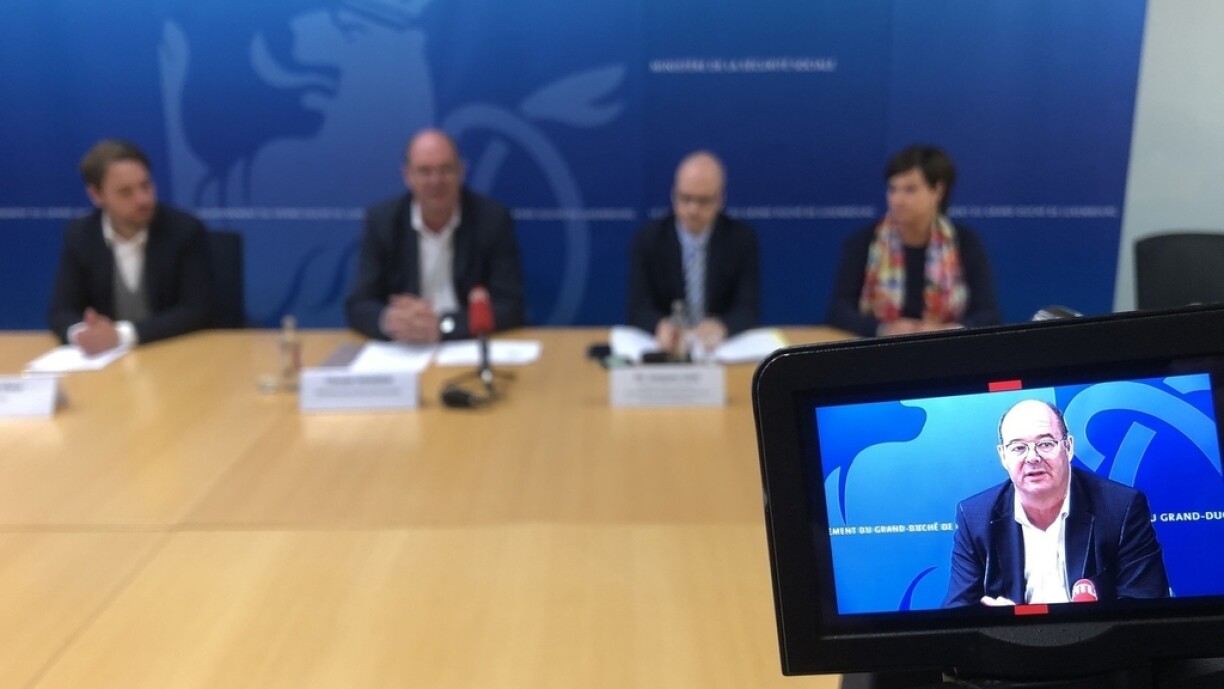
The full report by RTL Télé (in Luxembourgish):





