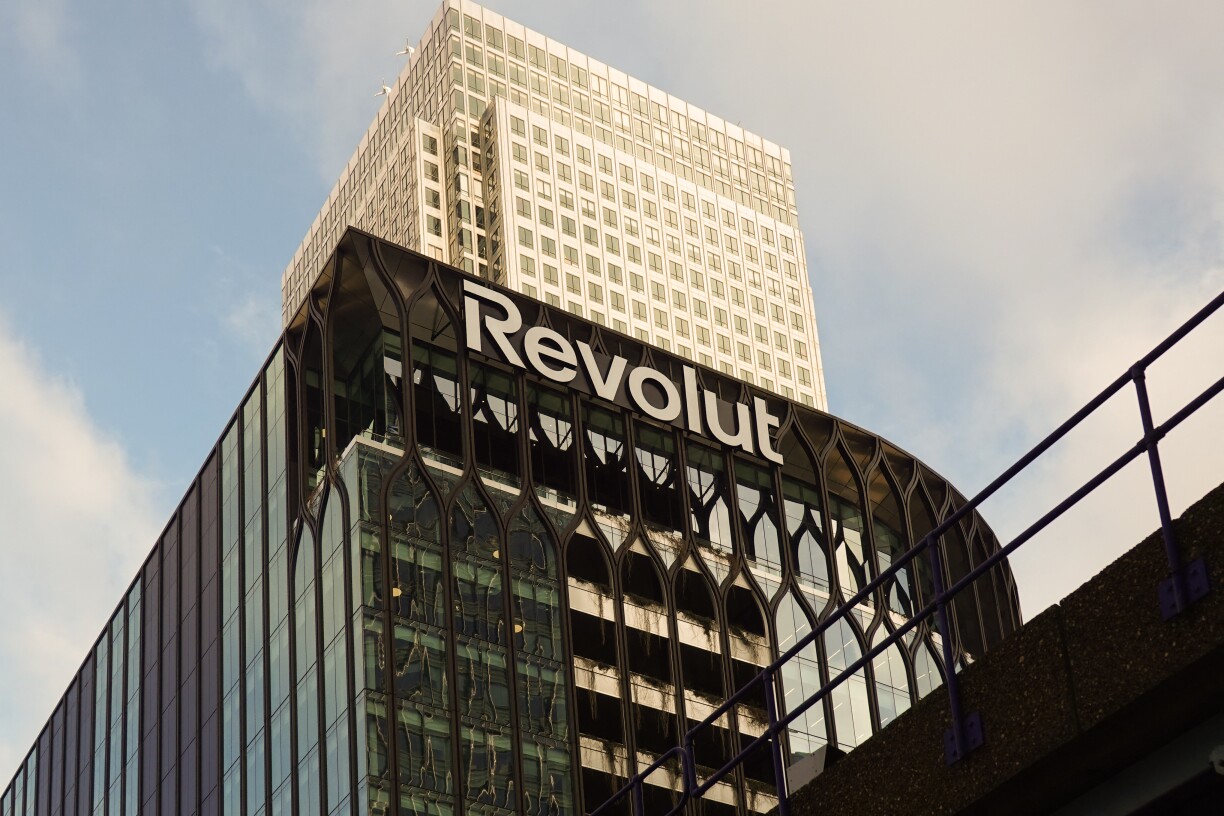
Are "neobanks" just as safe as traditional banks? Digital-only financial institutions are rapidly gaining ground and challenging established players.
One of the most prominent names in this sea change is Revolut, a financial app familiar to many. In Luxembourg alone, it has already amassed 100,000 customers.
This growth prompts several questions: What are the pros and cons of this digital alternative? How secure and regulated is it? And how are traditional banks responding to this popular competitor?
Founded in London in 2015 during the first wave of neobanks, Revolut is a fully digital financial service. It operates under a banking licence from Lithuania. Its founding premise was simple: to allow users to open multi-currency accounts online instantly and exchange between them with ease.
The service launched with a current account and a Visa or Mastercard debit card. Today, it has evolved into a comprehensive financial app offering a wide range of services, including:
Revolut is also popular with young people because you can easily:
The account opening process is straightforward. After downloading the app, verification typically requires only a valid ID card. Once approved, users can fund their account online and order a debit card. The basic current account is free, though access to premium features like investments requires a paid subscription, with the top-tier "Ultra" plan costing €60 per month.
The primary advantages of the service include:
This functionality is particularly convenient for travel. Users can pre-load funds into a local currency account before a trip to a non-eurozone country, avoiding the need for on-the-spot conversions.
The most frequently cited drawback, highlighted in business forums and press reports, is a perceived lack of transparency regarding certain fees. Clear charges include a 2% fee for ATM cash withdrawals. For currency exchange, the service is fee-free up to €1,000 per month via bank transfer. Beyond this limit, a 0.5% fee applies, rising to 1% on weekends. Consequently, users who make frequent international transfers, for example to the US, should budget for these costs.
A potential consideration for Luxembourg-based customers involves regulation. Revolut operates under a European banking licence issued in Lithuania. Therefore, the Lithuanian banking authority provides the deposit guarantee, and customers would typically need to address any formal claims through that jurisdiction.
It would be inaccurate to label the platform as unsafe purely based on its licensing. A European banking licence imposes stringent regulatory obligations. Revolut is supervised by both the Central Bank of Lithuania and the European Central Bank. In April 2025, the Bank of Lithuania fined Revolut €3.5 million for deficiencies in its anti-money laundering controls. To date, however, no specific cases of money laundering via Revolut have been publicly confirmed.
Revolut had previously applied for a banking licence in Luxembourg with the Financial Sector Supervisory Commission (CSSF) several years ago, but withdrew the application in 2019. At the time, Luxembourgish MPs debated whether the company fully complied with fintech regulations.
The company has since shifted its European strategy. While its primary licence remains in Lithuania, Revolut is also preparing to launch operations in France. In the United Kingdom, where its headquarters are based, the company holds only a limited banking licence. UK regulators have expressed concerns regarding its risk management frameworks, citing the platform's exceptionally rapid growth.
The answer is a definitive yes. It is important to note that Revolut is not alone in this space, competitors like N26 and Trade Republic offer similar digital-first services. However, Revolut is the sector's clear growth leader. In just a decade, it has amassed over 65 million customers worldwide, including 100,000 in Luxembourg, and has achieved a stock market valuation of approximately €75 billion, cementing its status as Europe's most valuable fintech company.
The platform's co-founder and CEO, Russian national Nik Storonsky, has openly stated his ambition to eclipse traditional banks. These established institutions are widely seen as struggling to match the pace and scope of digital innovation.
The Luxembourg Bankers' Association (ABBL), however, frames this disruption as an opportunity. "If customers demand more, banks have to offer more," says Ananda Kautz of the ABBL. "Opening an account quickly, making fast and uncomplicated transactions – this pushes traditional banks to stay dynamic. They have to innovate. It's healthy competition," she concluded.
In a related development, five Luxembourg banks are preparing to launch the Wero digital wallet this summer, a pan-European payment initiative likened to Payconiq.
Financial experts generally advise a balanced approach. They recommend against consolidating all finances solely through a single neobank, suggesting it may be safer to distribute assets between traditional and digital institutions. For those seeking maximum caution, maintaining a small cash reserve under your pillow remains a classic, if low-tech, safeguard.





