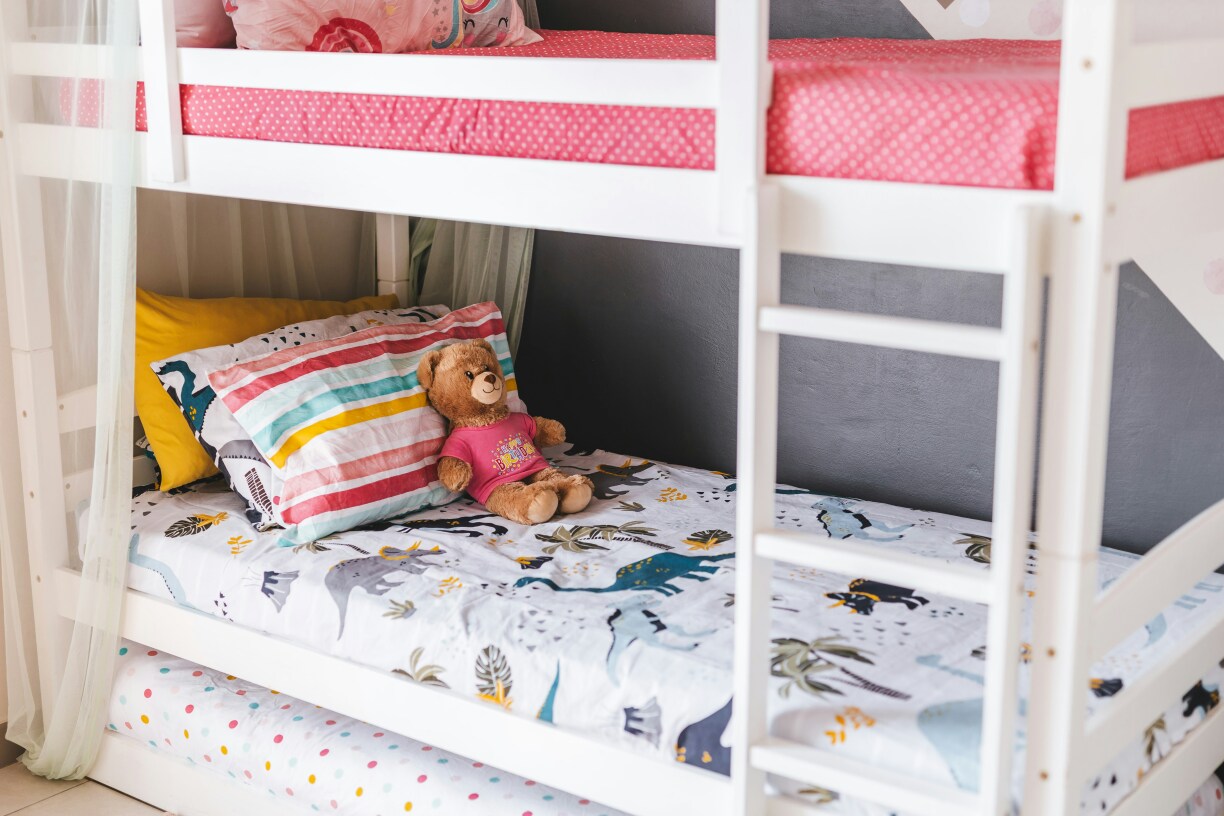
In 2024, 16.8% of people residing in the European Union were living in overcrowded conditions. Luxembourg falls somewhat on the lower end of the scale, with 6.8% of households considered to be overcrowded. But it is far from the only country struggling with a lack of affordable housing.
Romania (40.7%), Latvia (39.3%), Bulgaria (33.8%), Poland (33.7%), and Croatia (31.7%) had the most people residing in overcrowded homes, according to Eurostat data, while Cyprus (2.4%), Malta (4.4%), and the Netherlands (4.6%) scored lowest of the EU member states.
A household is considered to be overcrowded if it fails to meet the following criteria in terms of minimum number of rooms:
According to Luxembourg law, the surface area of a room cannot be less than 9 m² per occupant.
Earlier this year, the University of Luxembourg published a report on poor tenant conditions in the Grand Duchy, citing examples of low-income households struggling to fit into studio apartments, as well as others facing issues such as substandard living conditions.
While the rental market in particular is afflicted by soaring costs, low regulation and lack of available housing, some stakeholders are pushing to encourage house-sharing or co-living on short-term contracts.





