
21 March is observed as World Down Syndrome Day (WDSD), a global initiative established in 2006 to promote the inclusion and rights of people with Down syndrome through awareness campaigns and events worldwide.
The date was chosen symbolically, as Down syndrome is caused by the triplication of the 21st chromosome. Individuals with Down syndrome may experience a range of physical and cognitive impairments, though these vary widely from person to person.
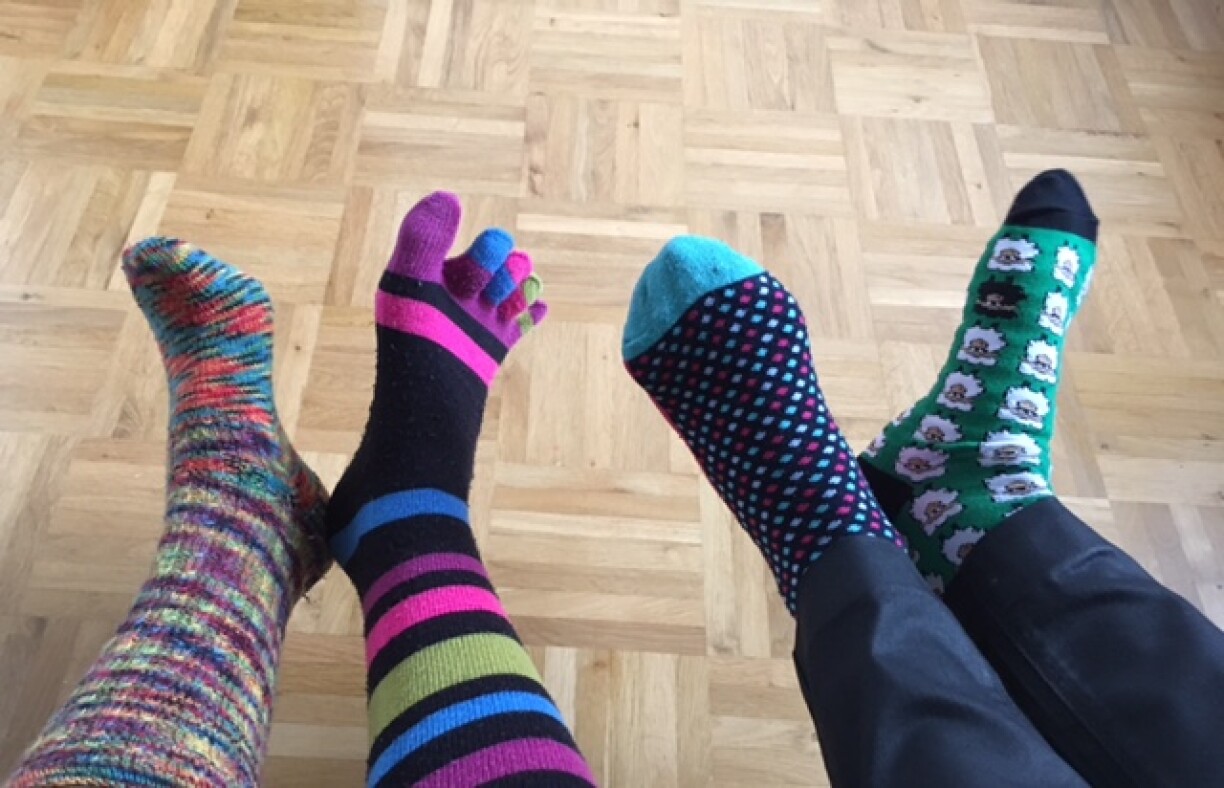
One of the most recognisable traditions of WDSD is wearing mismatched socks, a gesture that has become a symbol of support. The choice of socks is intentional, as chromosomes resemble their shape.
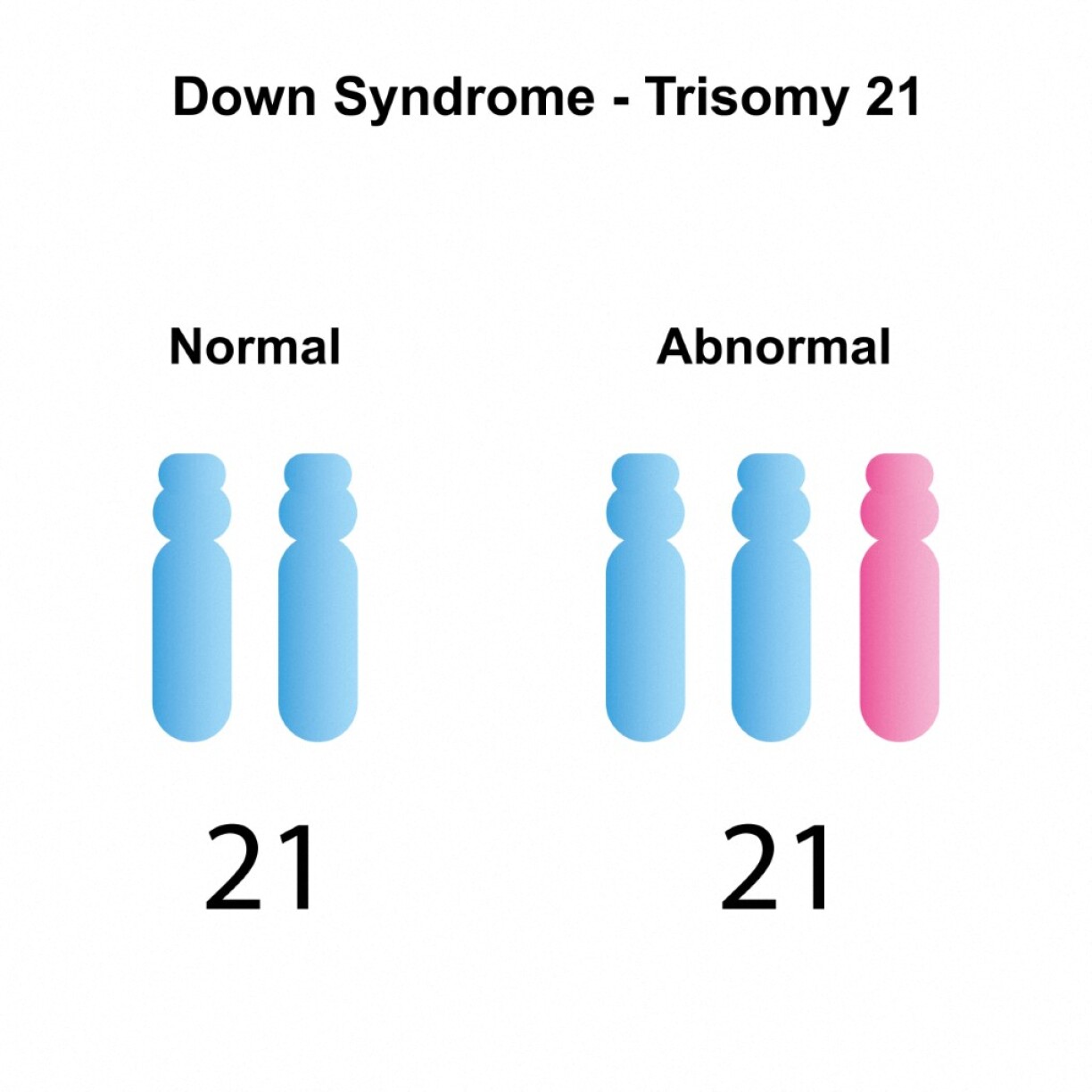
Despite common misconceptions, people with Down syndrome are as diverse in appearance, intelligence, and personality as anyone else. Each individual, whether affected by Down syndrome or not, is unique. WDSD aims to foster open dialogue and understanding, helping to break down prejudices and promote inclusion.
Associations and advocacy groups use 21 March to highlight the experiences and challenges faced by people with Down syndrome. Globally, an estimated 5 million people live with Down syndrome, and many emphasise that they do not wish to be seen as ill. While they may experience certain medical conditions – such as diabetes, visual or hearing impairments, and heart defects – Down syndrome itself is not an illness. Common physical traits include a round face, upward-slanting eyes, and wide hands and feet with short fingers and toes.
Thanks to significant medical advancements, life expectancy for people with Down syndrome has increased dramatically over the past few decades. 30 years ago, it was rare for individuals with Down syndrome to live beyond 25 years. Today, many live to 60 years or older.






