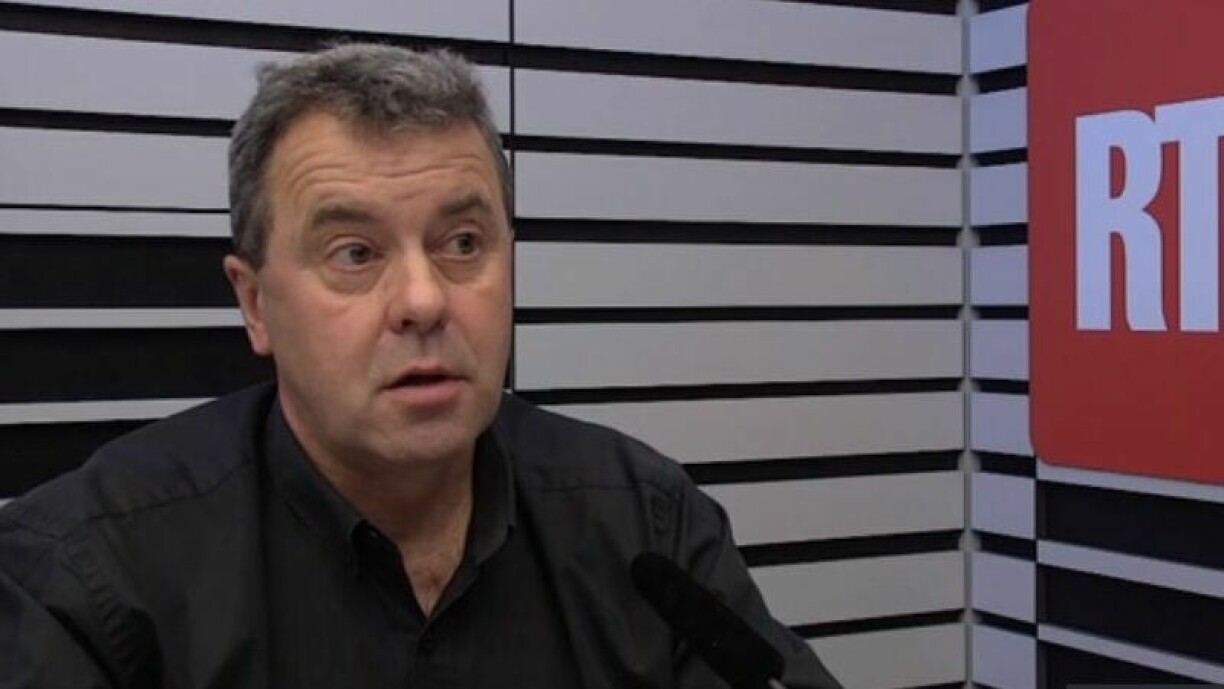
Marx, a dairy farmer and president of the FLB, the Luxembourg Free Farmers' Union, was a guest on RTL Radio on Tuesday morning where he talked about Luxembourg agriculture and the controversial agriculture law.
The situation faced by farmers this year varied significantly depending on what they produced, Marx explained. For example, those who produced cattle feed, whether for their own cattle or for export, coped well. Drought is however a problem, and climate change in general is a big challenge that should be taken seriously.
This year saw drought causing problems that particularly affected the southest, with northern regions being somewhat less affected. In general, the drought was managed with fodder reserves from the previous year.
The controversy surrounding the new agriculture law is centred particularly around the introduction of a livestock quota, which would see a limit of 150 cows per farm - something which has been criticised by, among others, Luxembourg's Young Farmers' Association. It also led to the much-discussed "red boot" symbolic protest action.
While Minister for Agrictulture Claude Haagen (LSAP) has argued that it is a necessary measure to meet climate targets, Luc Emering of the Young Farmers' Association warned that it would incentivise farmers to "get even more out of every single animal," which he said goes against principles of animal welfare.
Given this context, Marx said that Luxembourg is essentially predestined for animal production as grass is often grown due to the fact that a lot of our soil isn't suitable for other crops.
The new law has thus frustrated and angered farmers, but Marx said that constructive dialogue is starting to be held between the parties, and the former are starting to accept that some provisions are needed given the larger environmental situation. He stressed that the policy must take into account the broader farming context, and be planned in accordance with longer term goals that go beyond one legislative period.
Marx also noted that the size of a farm is not a determining factor of how environmentally friendly or sustainable it is, meaning one cannot assume that a smaller farm will by default have a smaller environmental impact. Instead, its impact is determined by the practices and processes employed.
Finally, he described the pressure under which organic farming finds itself as "regrettable", but was swift to highlight that this is not a phenomenon that is exclusive to Luxembourg. In times of lower purchasing power, people are less likely to buy organic produce, which in turn has a direct and immediate impact on farmers.





