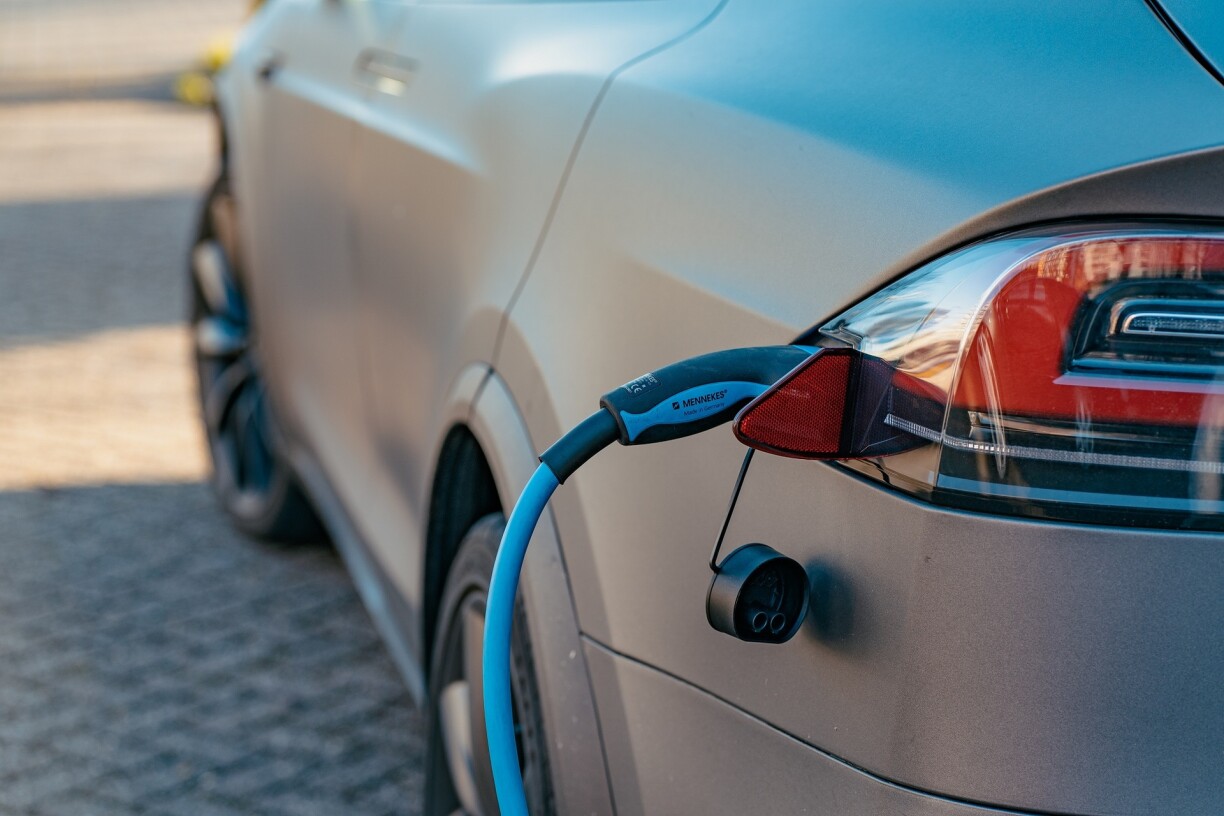
According to Philippe Mersch, there are no reliable figures on how many cars were sold during the 62nd Autofestival. The only solid reference point, he said, is the registration data from the National Society of Automotive Traffic (SNCA). Overall, however, the Federation of Automobile Distributors and Mobility (FEDAMO) considers this year's edition to have been satisfactory.
Serge Pauly explained that cars are now seen primarily as a practical means of transport, which in his view helps explain why the Autofestival no longer attracts as many visitors as it once did. Mersch added that many people, particularly younger buyers, now inform themselves online, meaning they no longer necessarily need to visit dealerships in person.
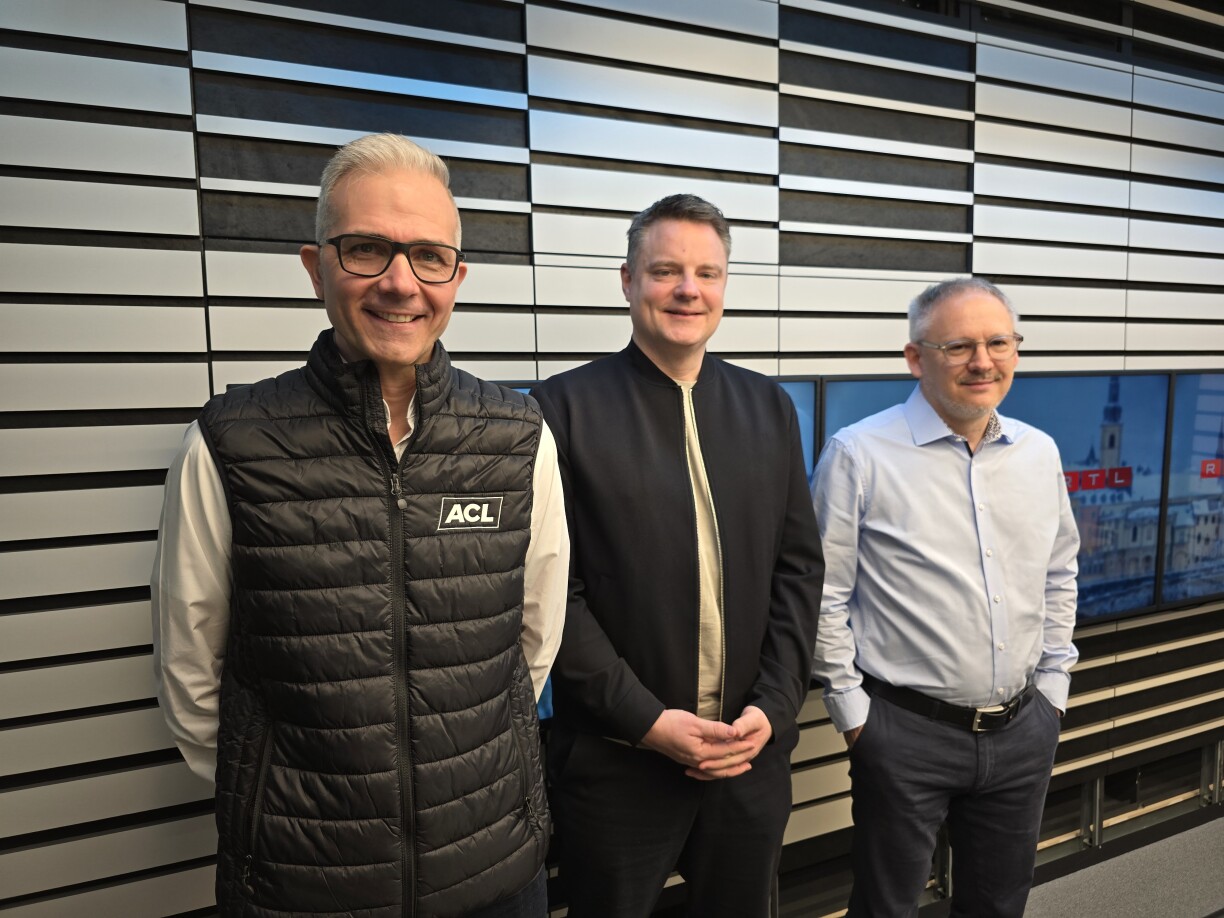
According to Frank Maas of the Automobile Club of Luxembourg (ACL), the Autofestival nevertheless remains a special period for the club. During this time, he said, members ask a particularly large number of questions about charging electric vehicles.
Cars are becoming increasingly expensive, mainly because the technology involved is growing ever more complex, according to Mersch. When it comes to financing, options range from traditional bank loans to leasing, he said.
Pauly noted that leasing schemes often encourage customers to replace their car after three years, raising questions about sustainability. Looking at current models, he observed that smaller cars are gradually disappearing from the market.
Mersch also pointed out that the vehicle fleet in Luxembourg is ageing overall, with the average car now more than eight years old. He said, however, that this figure is partly offset by the fact that many companies replace their leased vehicles relatively quickly.
When asked whether consumers should opt for an electric car or a combustion-engine vehicle, neither Mersch nor Maas wanted to make a clear recommendation, noting that there are arguments for and against both options. Mersch did, however, stress that electric cars make particular sense for people who have photovoltaic panels at home and can charge their vehicle there.
Pauly broadly agreed, but highlighted a key drawback: that there is virtually no second-hand market for electric cars, as battery technology is evolving extremely rapidly.
Responding to the question of the role that Chinese brands play in Luxembourg's electric vehicle market, Mersch said that, due to the lack of detailed statistics, it is difficult to give a precise answer. He did note, however, that Chinese brands perform well in terms of connectivity, while the quality of their batteries is comparable to that of manufacturers from other countries.
Maas also considered the price-performance ratio of Chinese brands to be fairly competitive, though he cautioned that it is still unclear how this will play out in the long term.
Pauly added that Chinese manufacturers have benefited from observing European carmakers that produce vehicles in China. In addition, he said, China focused on electric mobility from the outset, effectively bypassing the combustion-engine phase.
At present, hybrid vehicles are the most popular choice in Luxembourg, according to the guests. They agreed that this is a logical development, as manufacturers are increasingly focusing on these models.
Pauly nevertheless suggested that the high number of hybrids should be examined more closely, as many vehicles are only hybrids on paper, running almost exclusively on a combustion engine, with the electric component limited to starting the car.
Maas explained the success of full hybrids, as opposed to plug-in hybrids, by their ease of use: they can be refuelled like conventional cars, while the vehicle itself decides when to use which engine.
According to Maas, the fact that the share of electric cars has stabilised in recent years is likely due to the reality that most people who can charge a vehicle at home already own one. This, he said, underlines the importance of maintaining alternative options.
Pauly questioned the target of reaching 49% electric vehicles, noting that electric cars also get stuck in traffic. In his view, mobility problems can only be solved if cars lose their dominant role and the necessary infrastructure is put in place. Mersch countered that Luxembourg has large rural areas where people's needs cannot easily be met by public transport alone.
In reaction to the question of a single, uniform price for charging electric cars, Maas was more cautious on this point, suggesting that it may simply be a matter of habit and that future generations might be more comfortable with fluctuating electricity prices.
According to Mersch, subsidies will remain essential if electric mobility is to be further promoted.
All of the guests agreed on one key point: the future success of electric mobility depends above all on the availability of adequate charging infrastructure.





