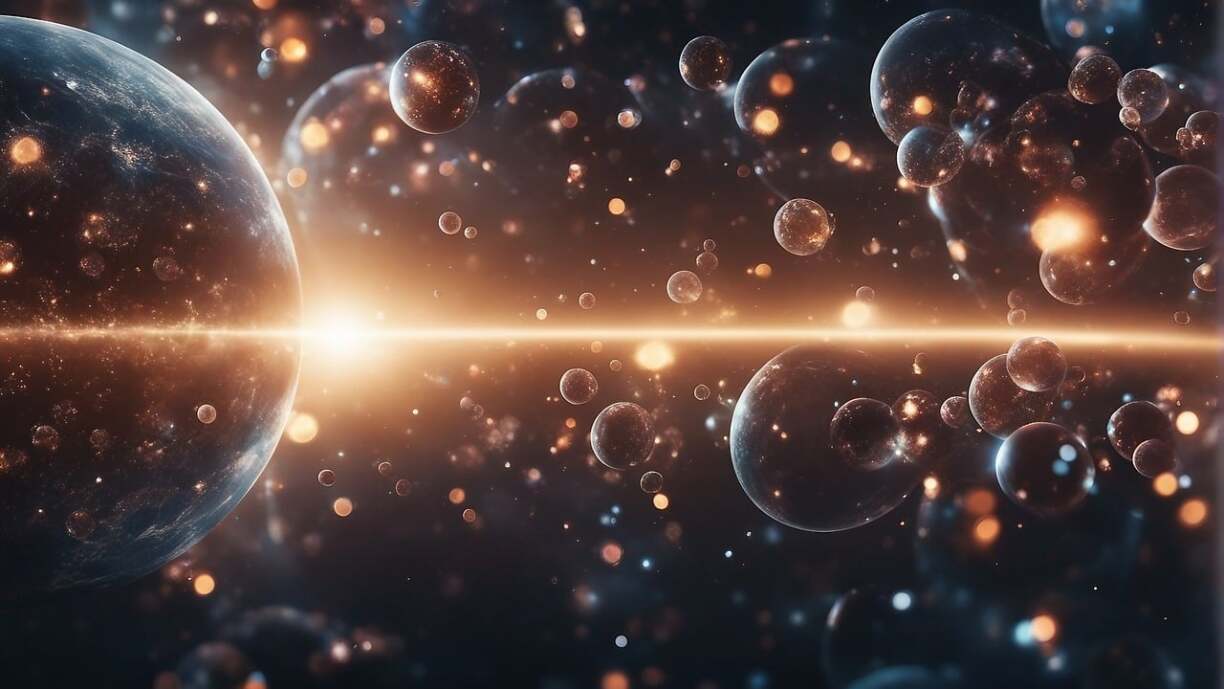
Over the past century, scientists have begun to question whether the universe we know is the only one. Could there be others, perhaps with different laws of physics, or even copies of ourselves, living out different versions of reality? This is the central idea behind the multiverse theory, which proposes that our universe may be just one of many. Let’s dive into the science behind the fascinating hypothesis of the multiverse.
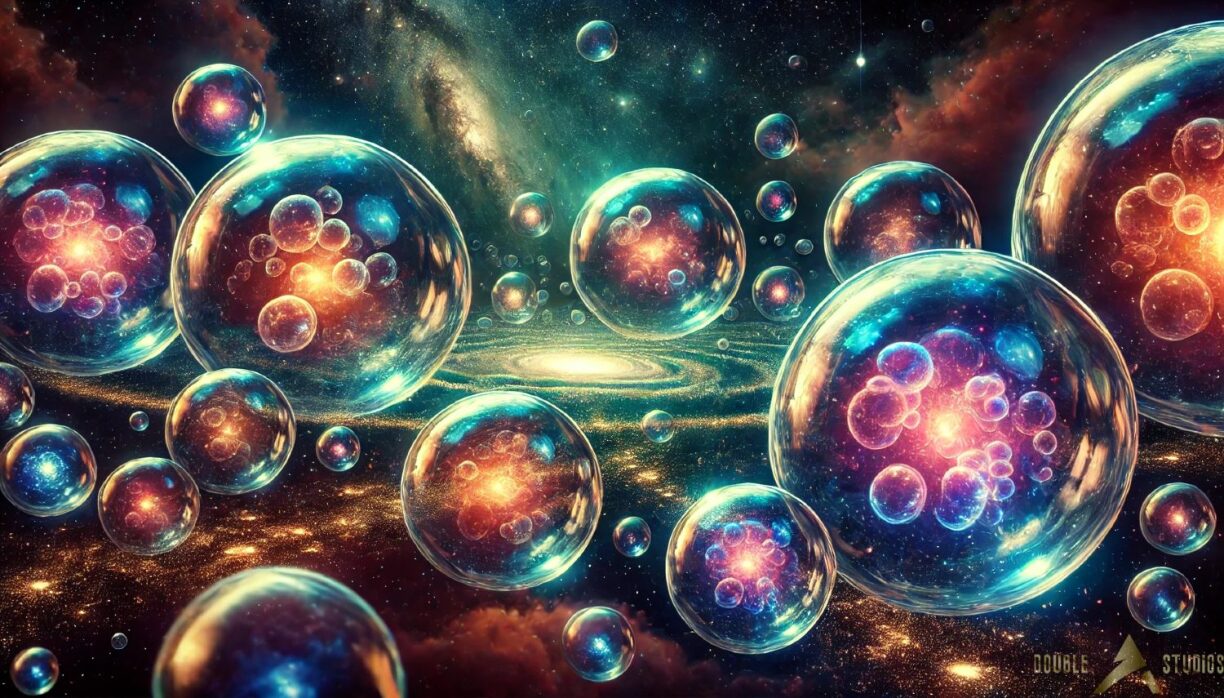
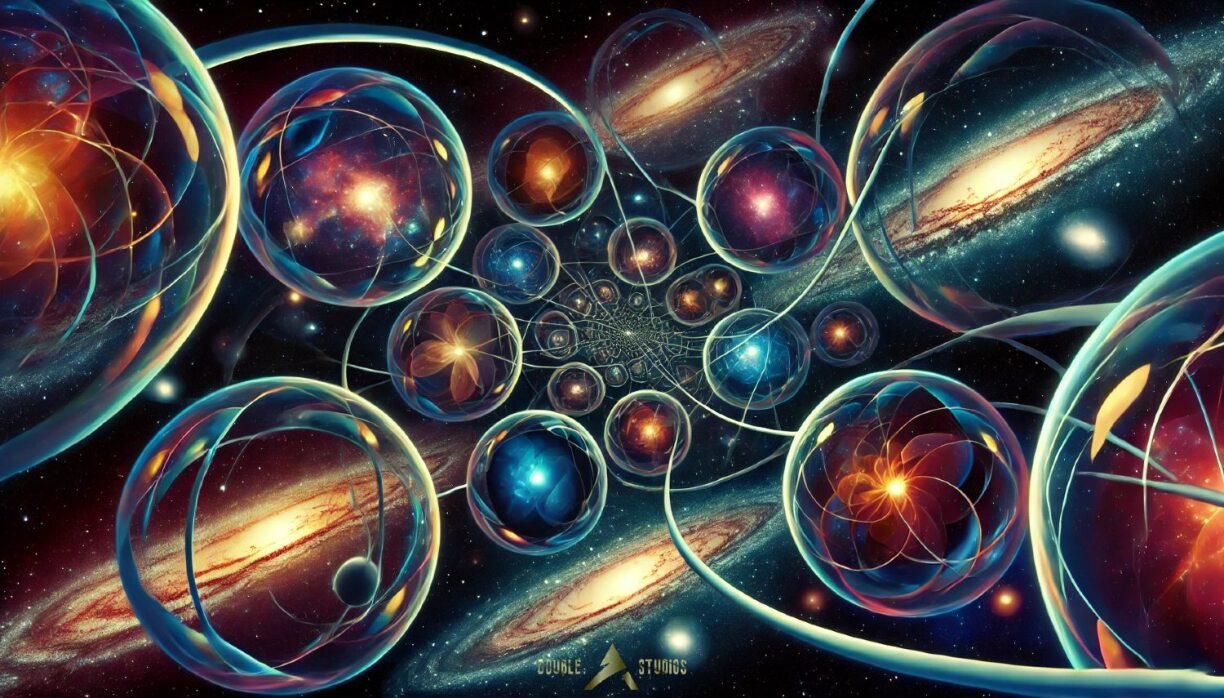
The multiverse theory suggests that the universe we inhabit may be only one of an infinite number of universes, all existing in parallel. These universes could vary in size, shape, and even in the physical laws that govern them. This idea has quickly captured the imagination of scientists and philosophers but remains one of the more speculative areas of modern physics.
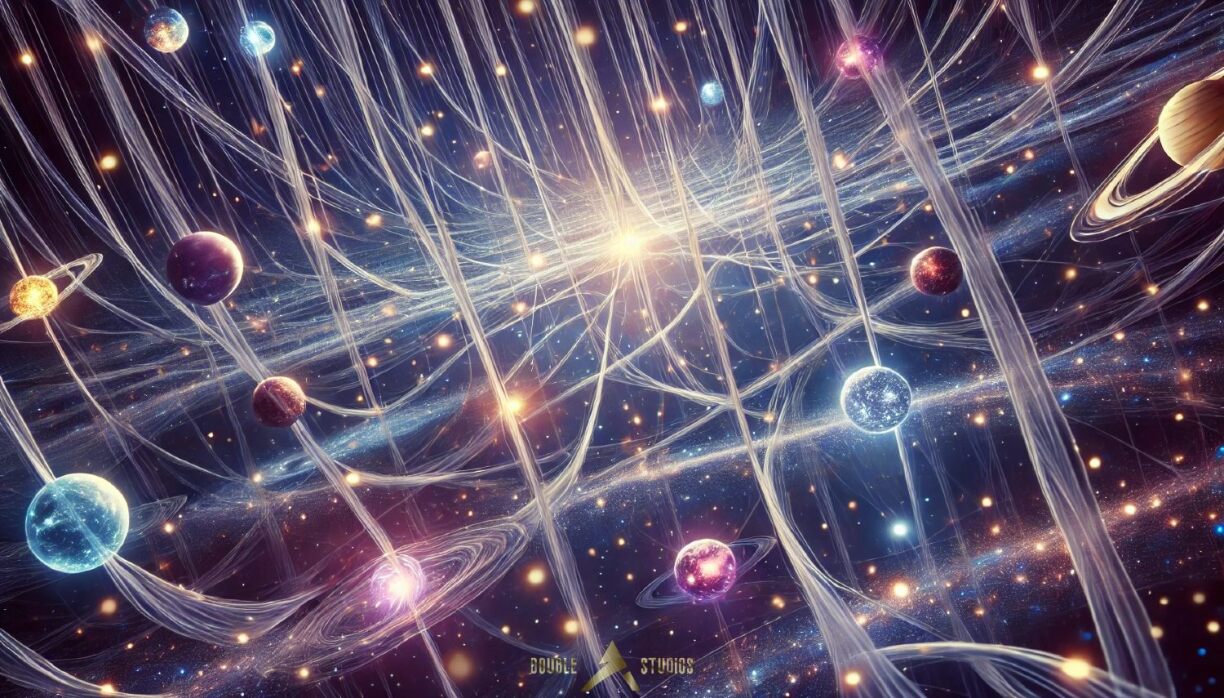
There are multiple interpretations of the multiverse theory, each with its own reasoning and implications:
Despite its intriguing premise, the multiverse theory remains speculative because it’s extremely difficult to test. However, some indirect evidence has given scientists reasons to consider the multiverse seriously.
: The afterglow of the Big Bang, known as the CMB, provides a snapshot of the early universe. Some anomalies in the CMB, such as cold spots, have led some researchers to speculate that they might be the result of other universes interacting with ours. However, these interpretations remain controversial, and most cosmologists agree that more evidence is needed. (Laura Mersini-Houghton, 2007)
: Mathematical theories like string theory and quantum mechanics inherently suggest the existence of the multiverse. These models are mathematically consistent, and although they haven’t been empirically proven, they fit within the framework of our current understanding of physics. (Brian Greene, The Elegant Universe, 1999).
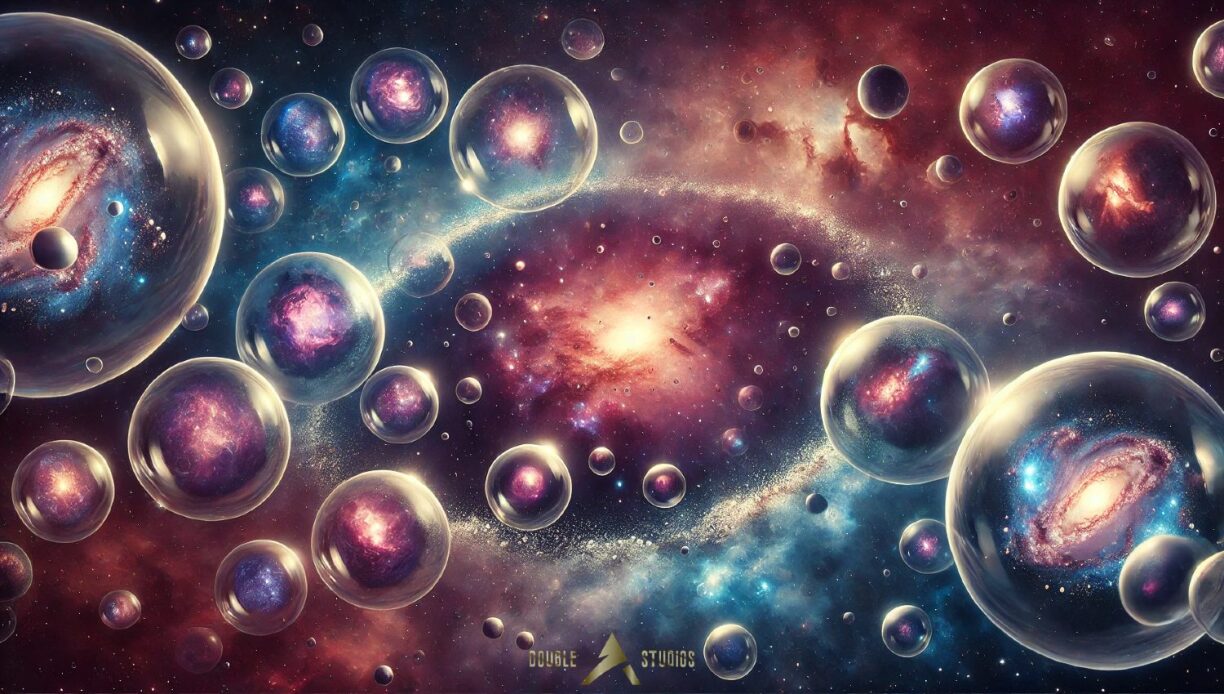
If the multiverse theory is correct, it would fundamentally change our understanding of reality. Here are some of the most interesting implications:
: In the quantum multiverse interpretation, every possible outcome of every event in history has already happened – in a parallel universe. This means that there could be other versions of you living out completely different lives based on the different decisions you (or others) made.
: Some universes might operate under physical laws that are entirely different from those of our universe. There could be universes where gravity is weaker or stronger, or where time flows in reverse.
While the multiverse theory is extremely exciting, it’s also highly controversial. A large portion of the scientific community points out that, because we currently lack the means to test for other universes, the theory verges on philosophical speculation rather than empirical science. As physicist Paul Steinhardt says, “The multiverse is not falsifiable – there’s no experiment we can do to confirm it”. (P. Steinhardt, “The Inflation Debate: Is the Theory at the Heart of Modern Cosmology Deeply Flawed?”, Scientific American, 2011)
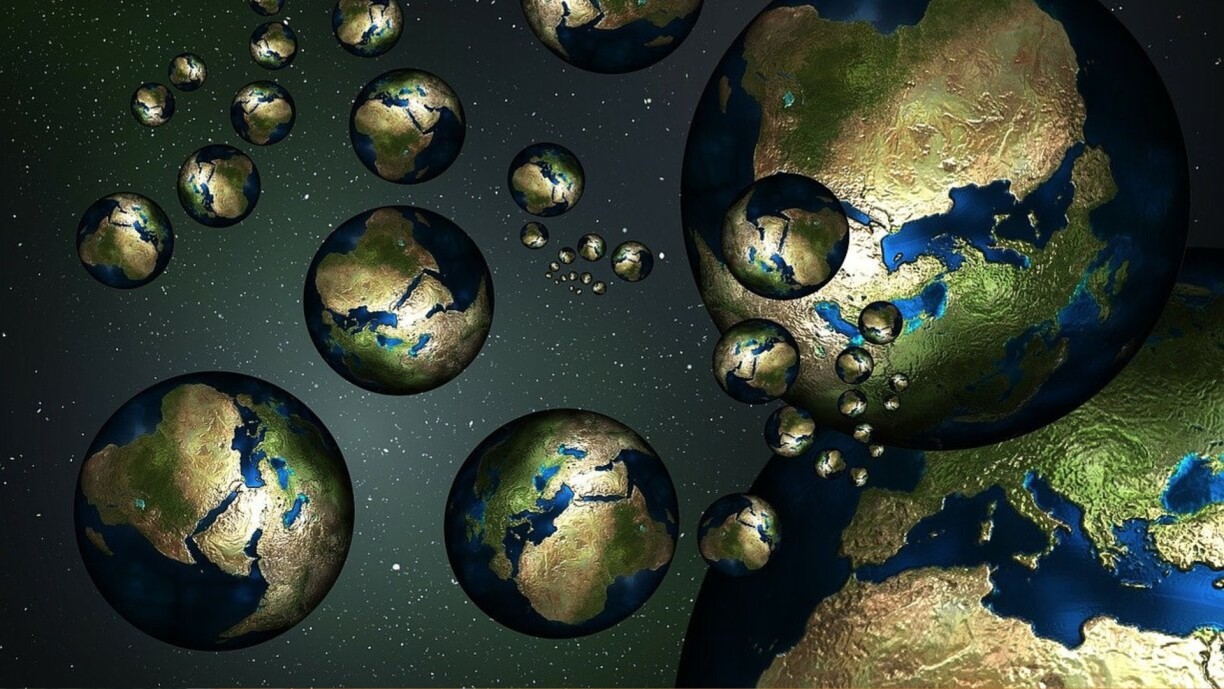
Additionally, critics argue that invoking the multiverse to explain phenomena like the fine-tuning of our universe feels more like a metaphysical “escape hatch” than a genuine scientific solution. They believe we should first exhaust other explanations before accepting such a bold and untestable theory.
Should one day be proven right, the multiverse theory could open up a vast range of possibilities about the nature of reality. As our understanding of physics deepens, we may one day uncover the answers to this fascinating mystery. Until then, the idea of infinite realities remains a tantalizing thought, one that continues to inspire both scientific inquiry and our imagination.
Reference list:
Adriano Anfuso is a photographer and digital creator who is passionate about capturing the awe-inspiring beauty of the cosmos and Earth's wonders. You can check out his work here.





