Which retail businesses are doing well? How have they fared in the latest crises? And what are the latest trends in Luxembourg?
The "Retail Report 2023," published on Thursday, answers all of these and many other questions (on consumer behaviour, the evolution of online commerce, vacant premises, etc.) that are on the minds of industry professionals, consumers, but also local authorities concerned about their town's attractiveness.
"This is the first time that we have a complete overview of trade in Luxembourg. "This is critical not only for analysis, but also for preparing the trade sector for new circumstances," notes Minister for Small and Medium-Sized Enterprises Lex Delles. During a recent visit to Euroshop, one of the sector's main trade fairs in Düsseldorf, the Minister gained insight into the future of retail (intelligent shopping carts, advice from artificial intelligence, automated checkouts, etc.). In Luxembourg, the retail sector employs 52,660 people and counts 3,288 outlets.
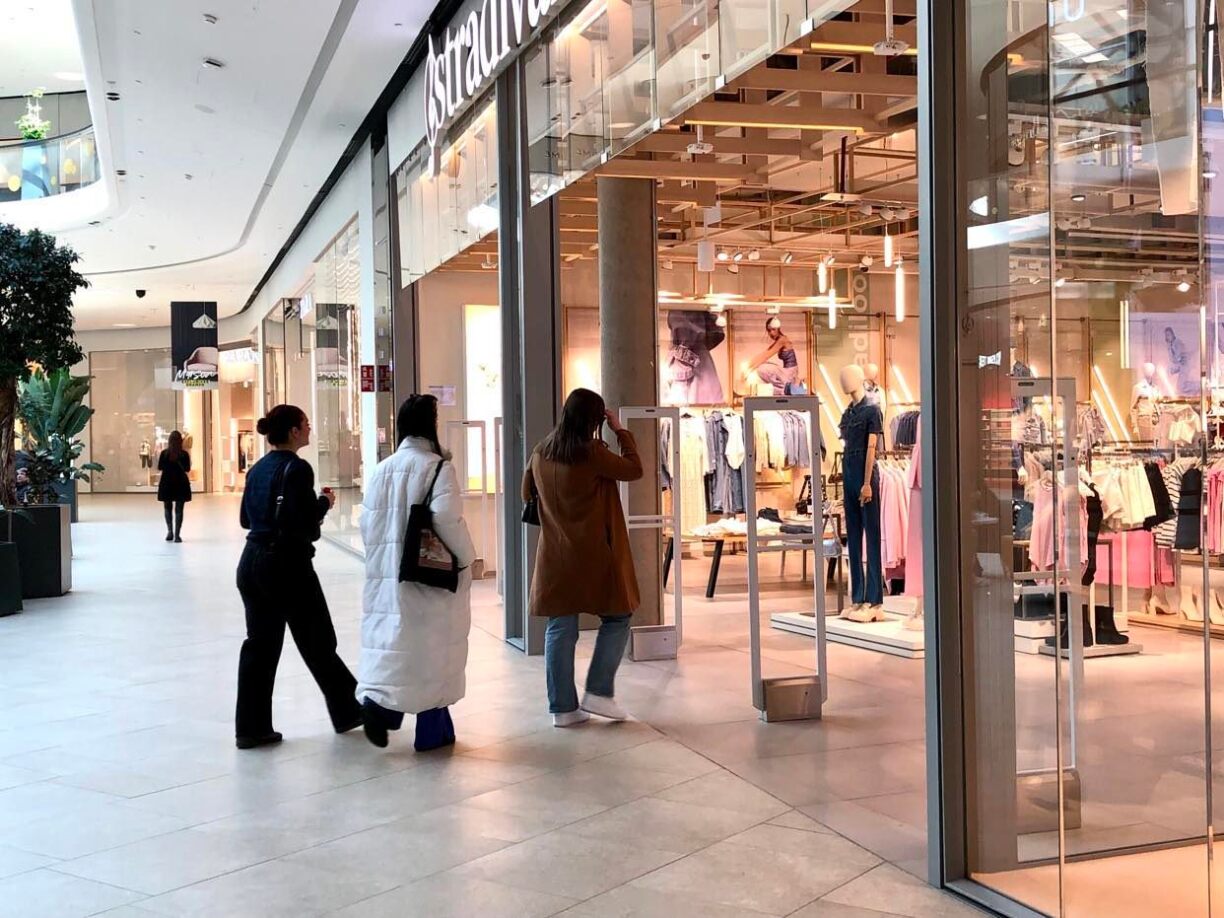
On Thursday, the Minister, as well as the heads of the Luxembourg Trade Confederation (CLC) and the Chamber of Commerce presented the key findings of this new report, which shows how retail shops in city centres, shopping centres, but also cafés, restaurants, and hotels, are evolving.
Despite the fact that the retail industry as a whole has shown resilient in the face of the Covid-19 and energy crises, the "Retail Report 2023" reveals significant disparities between the various retail sectors.
The best-performing sectors are without a doubt grocery stores (+11.8%) and drugstore products (+10.9%), the growth of which is tied to demographic shift. Between the third quarter of 2019 and the third quarter of 2022, the period observed by the report, Luxembourg's population has increased from 626,110 to 657,789 inhabitants.
Do-it-yourself shops (+22.3%) and shops selling animal products or gardening equipment (+7%) also "grew significantly during the health crisis."
In the fashion industry, the second most important after food, the number of shops decreased significantly (-8.6%), despite the total sales area devoted to clothing increasing slightly (+1.6%).
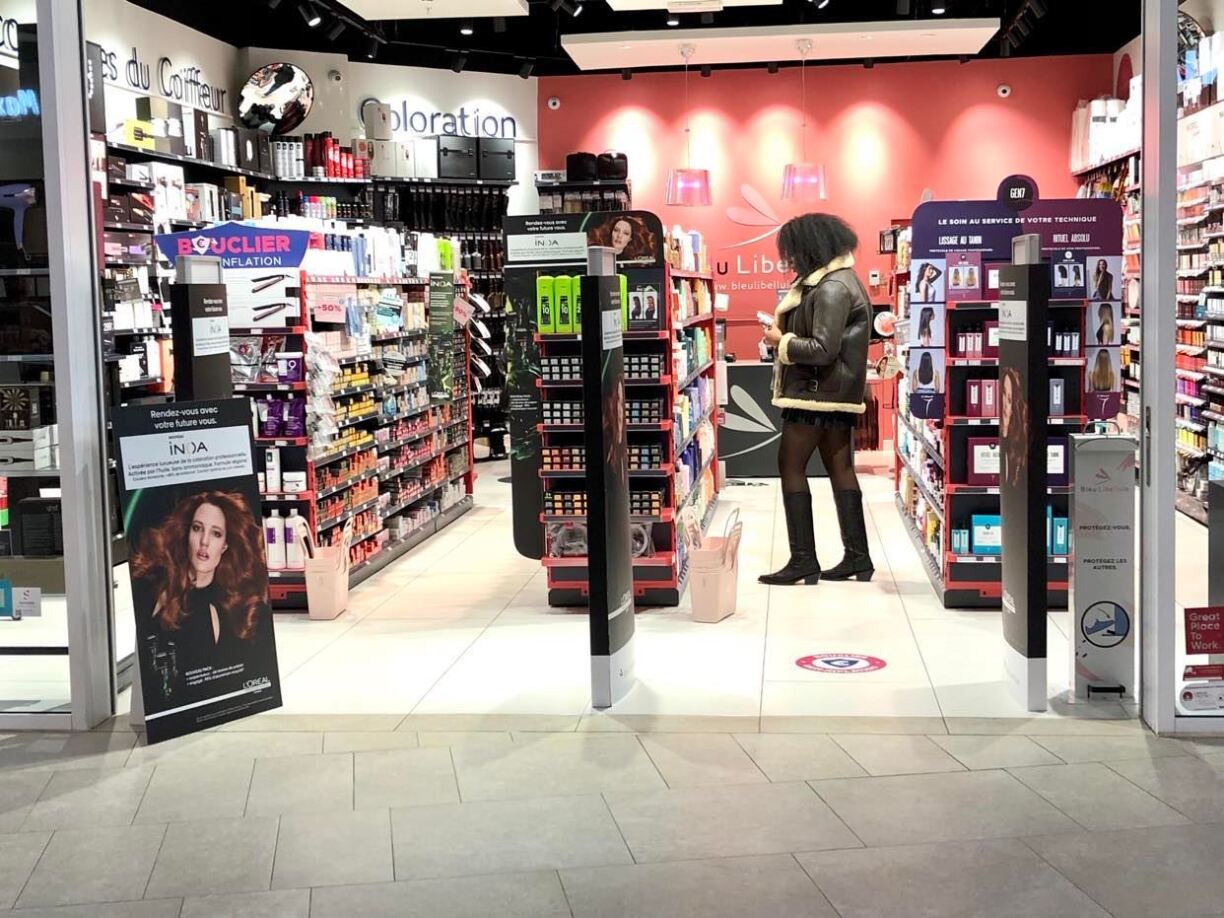
In contrast, butchers (-5.1%) and perfumeries (-6.0%) experienced a clear decline.
A clear trend can be observed in the hotel and catering sector: fast-food restaurants (+26.4%) have grown rapidly compared to traditional restaurants (+1.7%), even though both have more customers.
On the other hand, cafés and bistros (-5.1%), as well as bars and clubs (-6.8%) were "affected more negatively by the pandemic."
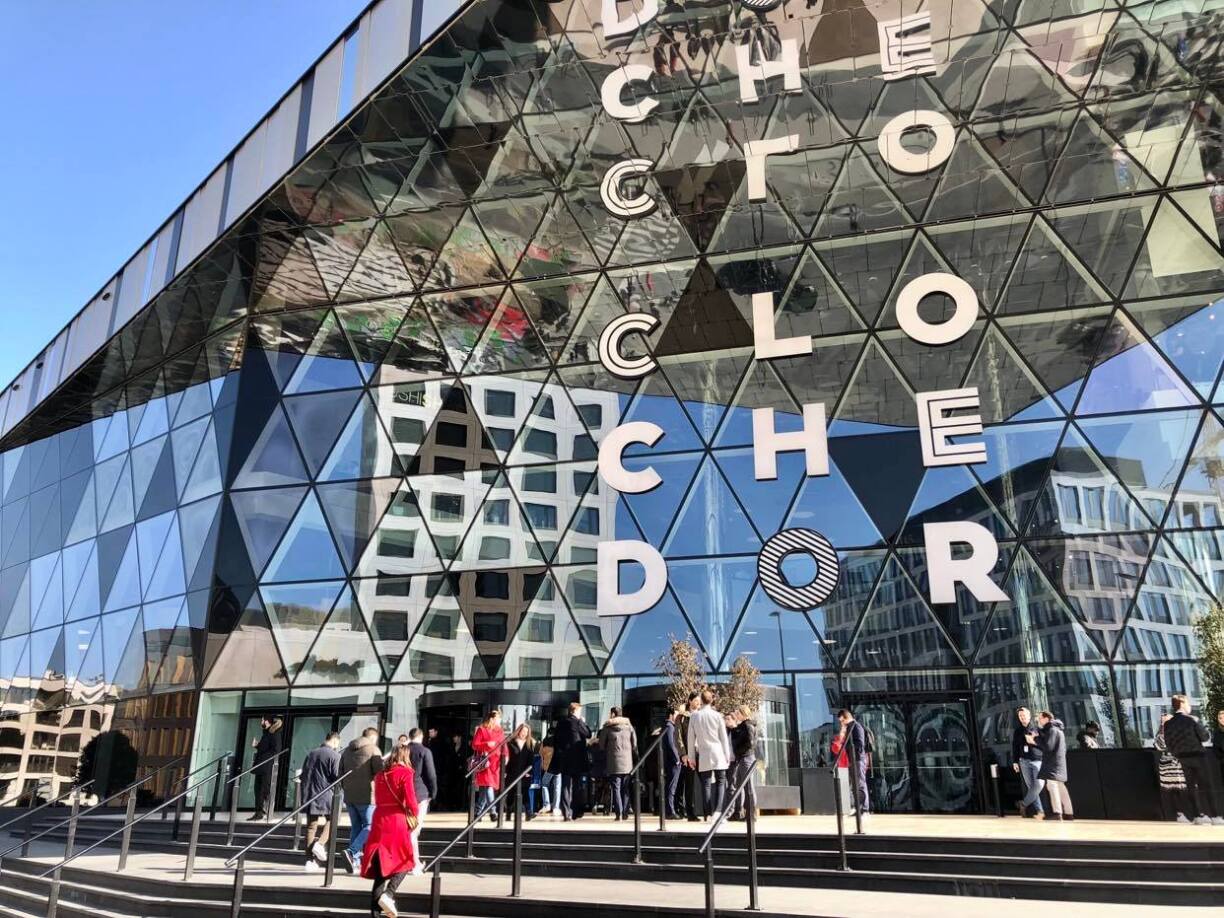
The report also found that shopping centres experience continued growth in the Grand Duchy. The figures show that this growth continues to "surpass that of the city centres," three years after the opening of the Cloche d'or shopping centre, the largest shopping centre in the country (more than 100 shops on 75,000 m2) in May 2019.
While retail sales area has increased by 2.9%, shopping centre sales area has jumped by 10% since 2019.
Within three years, however, there has been a slight decrease in the number of retail shops (-2.7%) in town centres. Throughout the same time period, the number of vacant commercial properties (excluding hotels and restaurants) has decreased by more than 5%.
For Tom Baumert, president of the Economic Interest Grouping National Observatory of SMEs, this shows both the "resilience" of Luxembourg's city centres in the face of the health and energy crises as well as "a gradual consolidation of trade."
Luxembourg's businesses are increasingly developing their e-commerce offer. In order of importance, the largest number of shops that market their products via an online shop are games and toys (73.7%), perfumes and cosmetics (71.4%), garden equipment and pet supplies (69.6%), clothing and footwear (67.6%), and sports goods and bicycles (66.7%).
Compared to 2019, "40% more retailers have set up their own online shop" in 2022. As Lex Delles explains, "this is a reality to which retailers will have to adapt."
This is why his ministry "must put tools in place to help retailers." He cites the example of the digital SME package, which provides a "tailor-made" solution from an expert to a retailer seeking to implement a digital strategy to manage its stocks, for example.
Tom Baumert of the National Observatory of SMEs highlights an "emergence of alternative sales formats" in Luxembourg.
The best examples of this are showrooms and pop-up stores (+33.3%), "which are growing rapidly because municipalities are making significant efforts" in this area. Just like in the capital, where pop-up shops are becoming increasingly popular.
The number of second-hand clothes shops (+42.9%) has skyrocketed over the last three years in Luxembourg, even if they still only represent a minority of shops.
Carlo Thelen, Director General of the Chamber of Commerce, gave some insight into the Localyze.lu service for businesses. Companies active in the retail and hospitality sectors can register on this new portal to gain access to market analyses at national or regional level, as well as all information on a sector's national evolution. An interactive map provides a direct overview of the existing competition in a geographical area.





