
Here's 5 things you should know at the end of this week:


After several years of continuous increases, property prices have finally started to fall at the beginning of 2023.
Advertised prices have fallen by 5.1% over the course of a year. This applies to both houses and flats in all regions.
Rents on the other hand are soaring -
A strong decrease of activities in the construction sector due to rising interest rates is now affecting rental prices.The peak has been reached - The decline in sales prices and increase in rents is related to the evolution of the property market, currently considered to be in a gridlock. Between high prices, successive increases in interest rates, and the loss of purchasing power, "we can imagine that the peak has been reached" argues Pierre Clément, director of real estate agency Nexvia.
Buyer's market - Despite a non-negligible loss of purchasing power, buyers now have a unique opportunity "to make good deals" according to Yann Gadéa. He says that Luxembourg "has become a buyer's market" and that "the negotiation potential" has increased significantly.
What to expect from current property loans? - Rising interest rates continue to make life difficult for Luxembourg's residents. According to the Luxembourg Central Bank (BCL), the cost of property loans rose again in February.
The BCL report indicates that banks issued variable rates averaging 3.53% for the purchase of a home, up from 3.51% in January. Variable rates have therefore stayed relatively stable at the start of the year.
The fixed rate on real estate loans, on the other hand, has risen sharply to 3.77%, and even considerably more on loans with extended time frame terms, such as 30 years.
Construction sector - According to experts, the situation is not about to improve for developers. Proof of it are the calls for help from the construction industry and, most recently, the warning from Inowai's CEO.
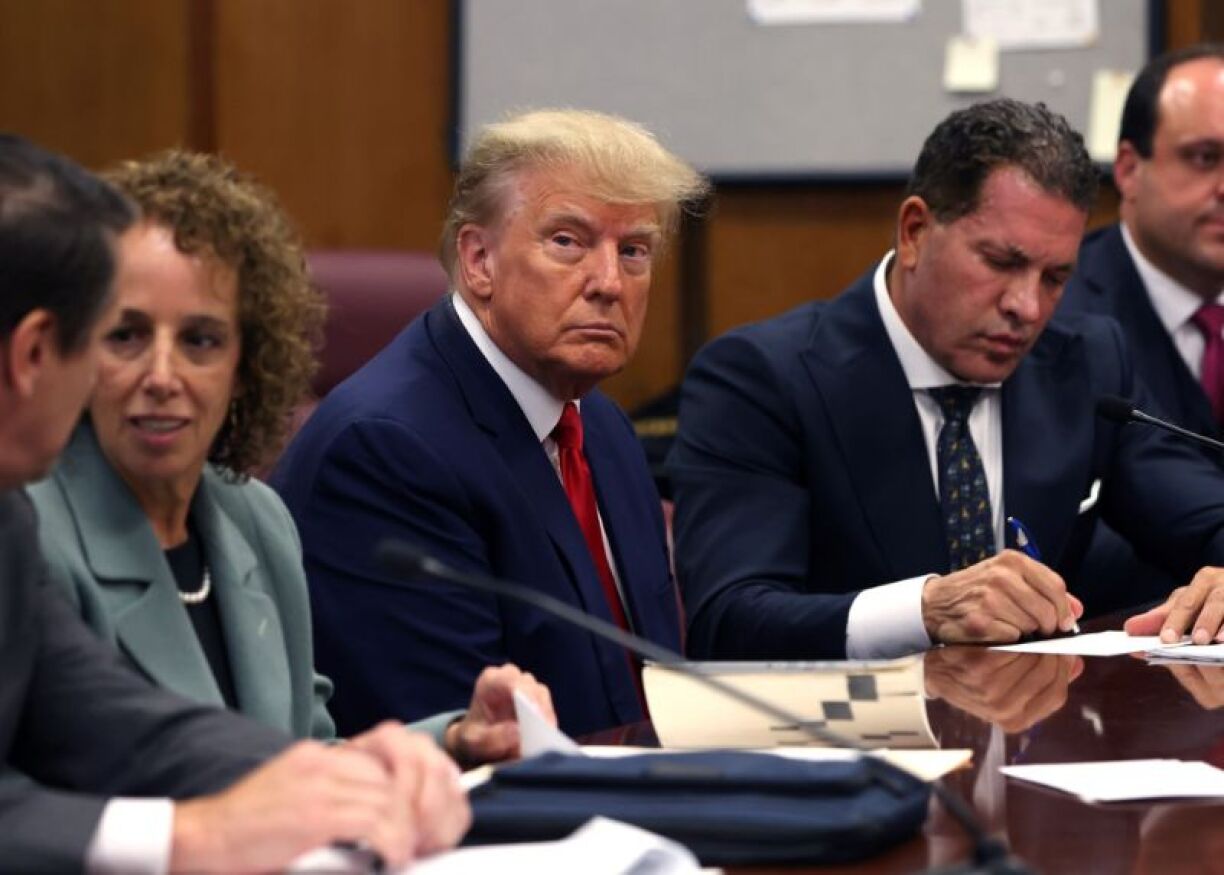
The countdown to the first ever criminal trial of an American president has officially begun.
On Tuesday, Donald Trump offered a full-throated defense of his conduct in his first public remarks since being charged over hush money payments to a porn star, blasting the criminal prosecution as "an insult to our country."
Manhattan prosecutors say Trump "repeatedly and fraudulently falsified New York business records to conceal criminal conduct that hid damaging information from the voting public during the 2016 presidential election."
What are the charges? - The indictment handed down by a Manhattan grand jury and unsealed on Tuesday charges Trump with 34 felony counts of falsifying business records related to a $130,000 payment made to porn star Stormy Daniels.
He is accused of arranging the payment to Daniels through Cohen just days before the November 2016 election to buy her silence about a 2006 tryst at a Lake Tahoe resort.
Under New York law, a defendant convicted of falsifying business records can receive between one and four years in prison.
Hiding truthful information - Bennett Gershman, a law professor at Pace University, said Trump is essentially accused of orchestrating a "grand scheme to undermine the democratic process."
Other legal woes - A special counsel is looking into his role in the January 6, 2021 assault on Congress by his supporters.
Special counsel Jack Smith is also investigating a cache of classified documents retained by Trump after he left office.
A district attorney in Georgia is also investigating Trump's attempt to overturn the results of the presidential election in the southern state.
What about his 2024 presidential bid? - Some observers believe the indictment bodes ill for Trump's 2024 chances, while others say it could boost his support.
Republicans have largely rallied around Trump, including his rival in the party's presidential primary, Florida Governor Ron DeSantis, who called the indictment "un-American."
Far from cowed, Trump is doubling down on extreme rhetoric, painting himself in a speech after his release Tuesday as victim of a "Trump-hating judge" and "massive election interference."
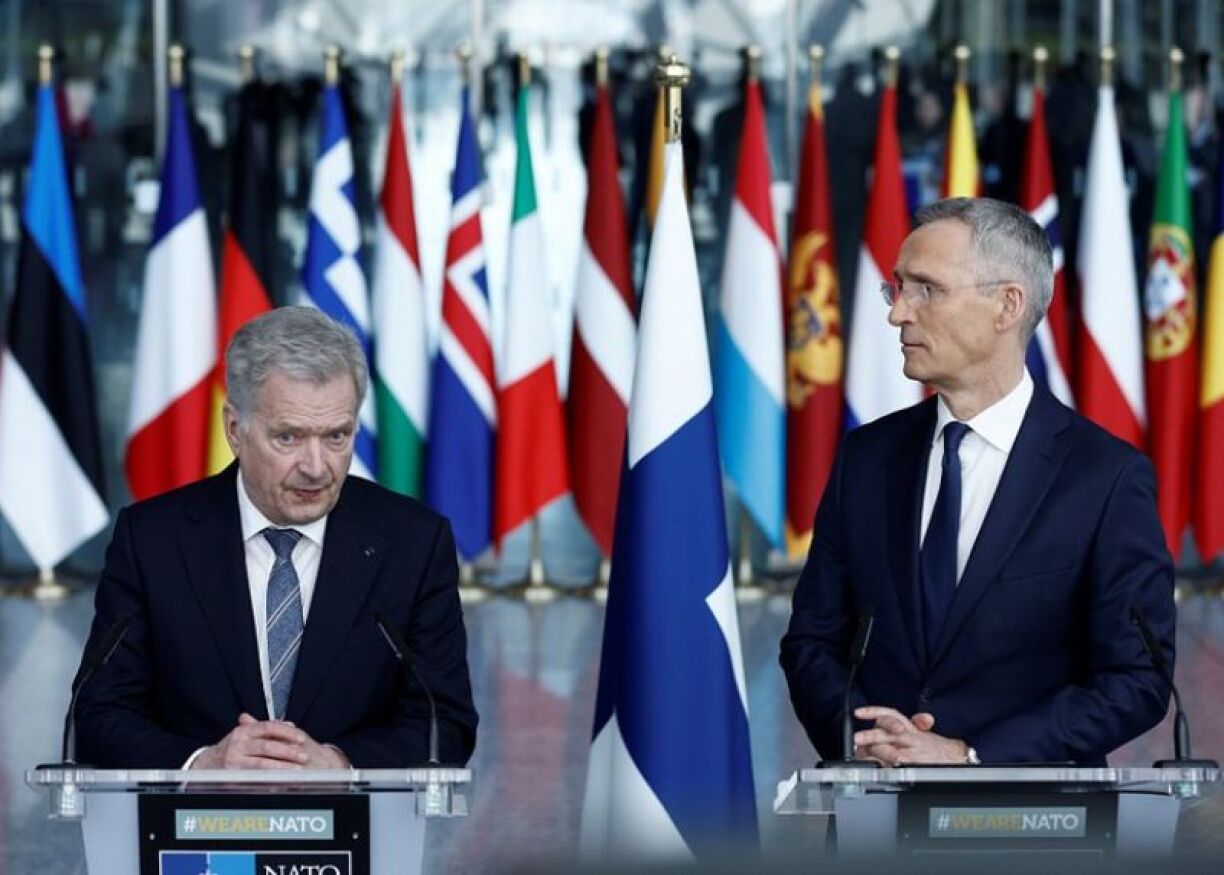
Finland on Tuesday became the 31st member of NATO, wrapping up its historic strategic shift with the deposit of its accession documents to the alliance.
With Finland joining, NATO's border with Russia has now doubled from 1,213km to 2,553km.
The new ally brings a powerful military with a war strength of 280,000 men and one of the largest artillery arsenals in Europe into the Alliance.
Aggression and intimidation does not work - NATO chief Jens Stoltenberg said Finland joining the military alliance on Tuesday showed Russian President Vladimir Putin had failed to stop it accepting new members.
Official keeper of the treaty - "I'm tempted to say this is maybe the one thing we can thank Mr Putin for, because he once again here has precipitated something he claims to want to prevent by Russia's aggression," US Secretary of State Antony Blinken said.
Warning - The Kremlin on Tuesday branded Finland's NATO membership an "assault on our security" and said it would take countermeasures.
In a separate statement, the Russian foreign ministry said that by joining NATO Finland had lost "its self-identity and any independence."
Blocked by Hungary and Turkey - Finland's arrival nevertheless remains a bittersweet moment for the alliance as the hope had been for Sweden to come on board at the same time.
Sweden has upset Hungary's leader Viktor Orban -- one of Putin's closest allies in Europe -- by expressing alarm over the rule of law in Hungary.
It has also angered Turkey by refusing to extradite dozens of suspects that President Recep Tayyip Erdogan links to a failed 2016 coup attempt and a decades-long Kurdish independence struggle.
In other Finland news: On Sunday the country voted in a nail-biting election with Prime Minister Sanna Marin's centre-left government fighting to hold on to power.
The 37-year-old failed to turn her exceptional popularity into enough seats in parliament for her Social Democratic Party (SDP) and was ousted by Petteri Orpo of the centre-right National Coalition Party.
On Wednesday, Marin then announced that she would step down as Social Democratic Party leader and dismissed notions of any international postings. She will continue her work as a member of parliament.
With her election loss and Jacinda Ardern stepping down, the world has lost two powerful women in politics.
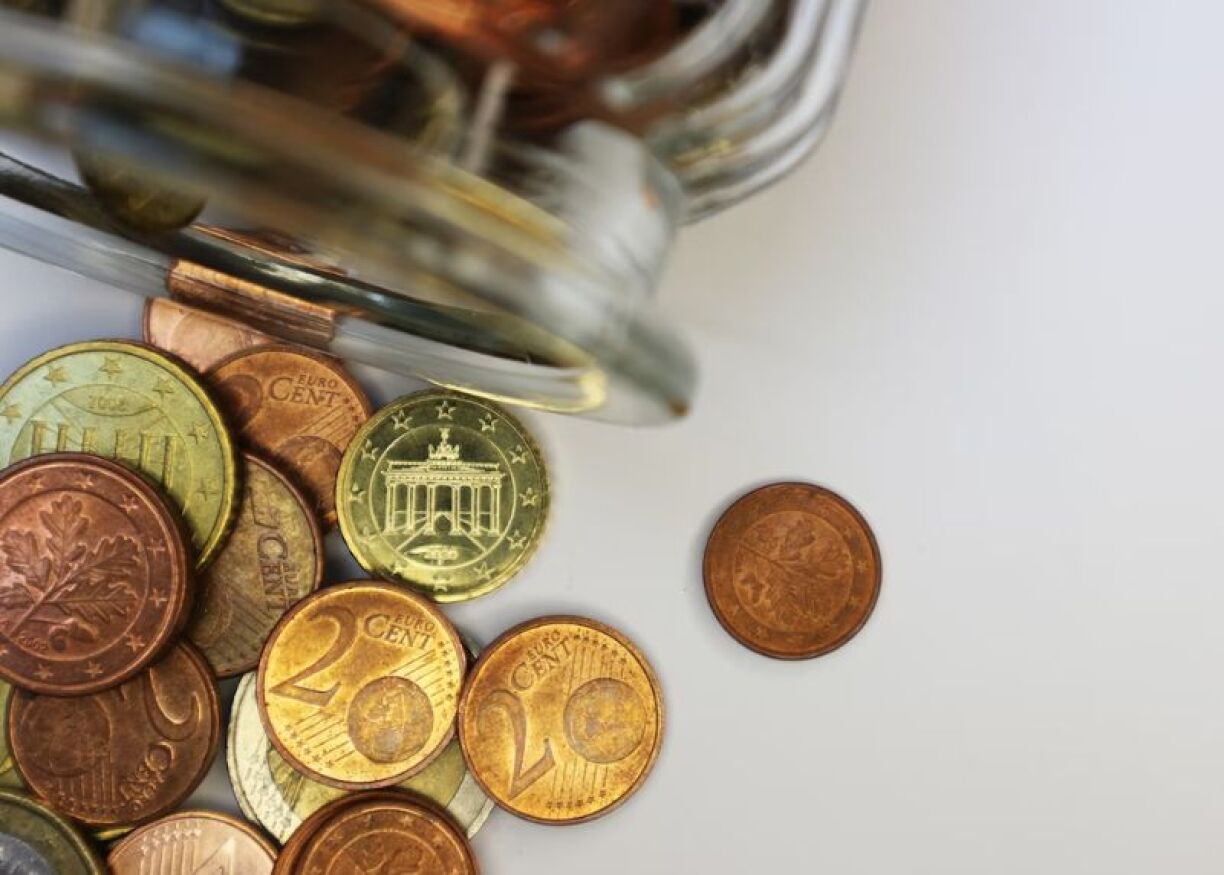
Even with the indexation, some workers and pensioners may receive a lower salary in April than in the previous month.
An unusual situation that is made possible by the disappearance of the energy tax credit.
Energy tax credit- This specific subsidy had been introduced by the government in summer 2022 to compensate for the shift in the index in July and expired on 31 March.
Effective subsidy - The energy tax credit, which was set at a maximum of €84 per month for those receiving less than €3,667 in wages or pensions, was more effective than indexation.
For workers with the social minimum wage, for example, it even "overcompensated" for their deferral, as the government had assured.
Who is affected? - It of course depends on your tax profile if the April net wage will be less or not. But for those with a higher salary or pension, the effect is the opposite: the indexation and the end of the tax credit will increase the net salary.
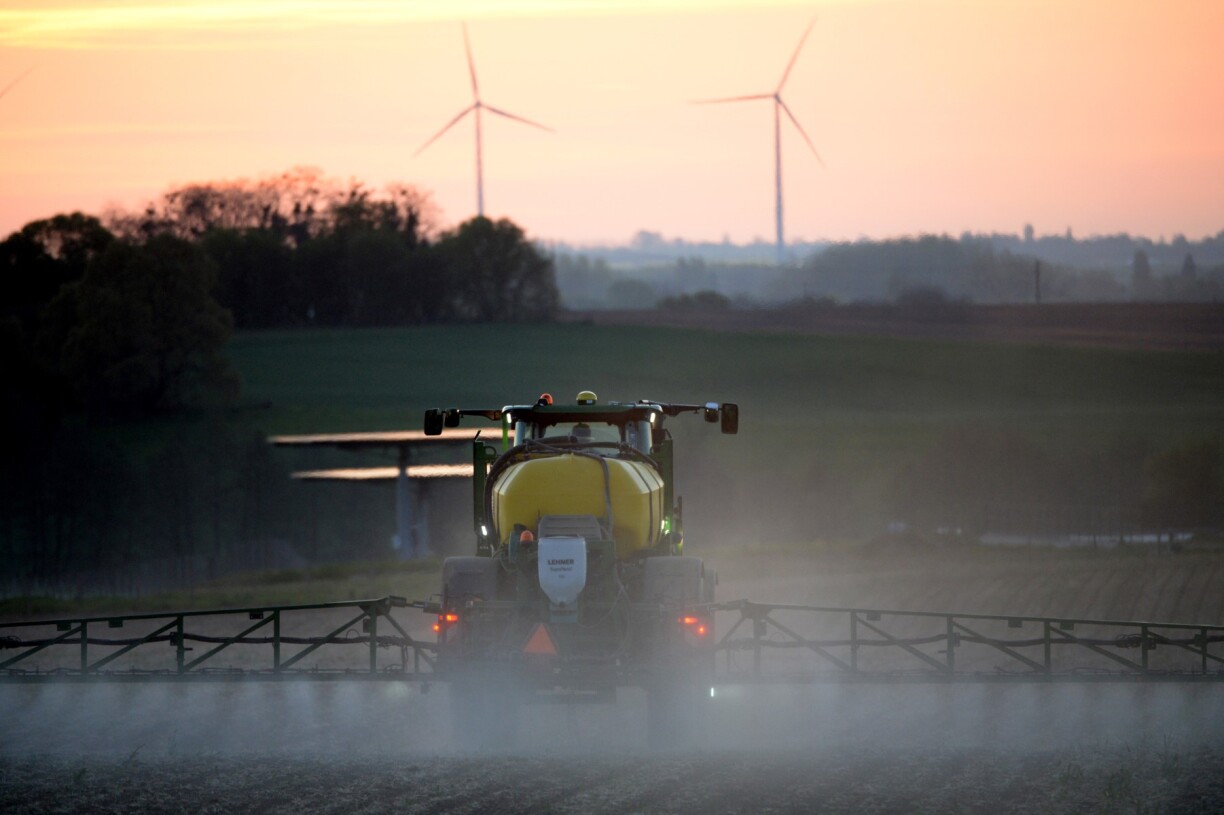
Since 1 January 2021 the herbicide glyphosate has been prohibited in Luxembourg. The Grand Duchy was the sole country in the EU to take steps against the substance and manufacturer Bayer.
According to Bayer, the ban was a violation of EU law.
Bayer initiated legal action against the Luxembourgish government and the Administrative Court has decided that the ban is unlawful. The government relied solely on the coalition agreement when taking the decision to ban the pesticide, "without indication of any legal argument", the judges concluded.
Ministry of Agriculture statement - As response to the ban, the government will carry out an in-depth analysis of the decision and decide on follow-up action in due time. After the initial ruling, it was decided to uphold the ban on glyphosate.
Divided opinions - While the president of the Farmers' Association is pleased that the glyphosate restriction has been lifted in Luxembourg, the Ecological Movement is anything but happy.
Sending a message to lawmakers - Christian Wester, the president of the Farmers' Association says that the verdict demonstrates that pesticide licences cannot just be revoked at will.
On Friday- The Ministry of Agriculture and Environment will outline the next steps now that glyphosate may once again be used in the Grand Duchy.
Farmers should continue without it - The president of the Ecological Movement, Blanche Weber, on the other hand, contends that the past few years have shown that glyphosate is not needed.
More support demanded - Organic farmers should receive more resolute support and consultation from the state, according to the Ecological Movement, which points out that pesticides "impact the entire population" and that there are "proven negative effects on nature and health."
Ongoing re-evaluation - Greenpeace Luxembourg has called on the Luxembourgish government to use all legal means to ensure that glyphosate remains banned in the Grand Duchy.
Business & Tech - Amazon is closing down it's subsidiary 'Book Depository', a popular online bookseller that the company acquired in 2011. The beloved website will close on 26 April.
Science & Environment- To meet the Paris climate agreement, the Dutch airport Schiphol is introducing a few new regulations for overnight flights and private jets.
Entertainment - A drug dealer pleaded guilty to selling fentanyl-laced heroin to "The Wire" actor Michael K. Williams, leading to his death, a US district attorney said on Wednesday.
Monthly rotation - Russia defended itself Monday against a barrage of criticism over its presidency of the UN Security Council for the month of April, insisting it will not abuse the position to defend its invasion of Ukraine.
Assisted dying - France could be the next European country to legalise euthanasia for the terminally ill after President Emmanuel Macron on Monday called for a law on a "French model on the end of life" within months.
Down 26.3% - Luxembourg's efforts to cut its natural gas consumption are not only still bearing fruit, but they have even exceeded the European Union's target set after the outbreak of the war in Ukraine.
Dutch rail incident - A Dutch passenger train slammed into a crane and derailed early on Tuesday, killing a construction worker and injuring around 30 other people in the Netherlands' worst train accident for several years.

Your Weekly Recap is published every Friday at noon. Read earlier versions.
If you have any comments, questions, concerns on improving the Weekly Recap - contact me at alannah_meyrath@rtltoday.lu





