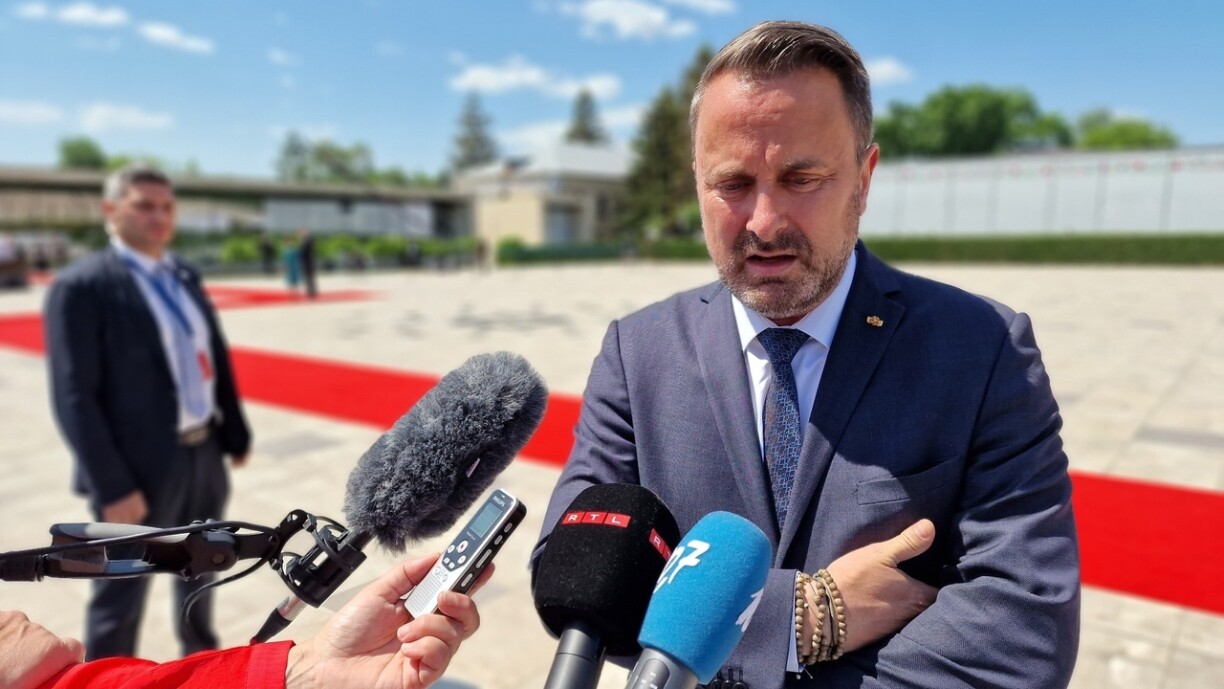
Luxembourg will be represented by Prime Minister Xavier Bettel, who stressed that "no one is expecting concrete decisions" from the summit.
According to Bettel, the purpose of the summit is to facilitate discussions and assess the current state of affairs. "We have bilateral talks all year long, this is more about spontaneous exchanges," Bettel said.
During his visit to Moldova, Prime Minister Bettel will engage in discussions about European security policies with his British and Polish counterparts. "I'm sincerely hoping that they won't just rattle off speeches that were written for them in advance, but that we will have a genuine exchange," Bettel stated, adding that he considers this to be “the real aim” of these meetings.
The EPC was conceptualised by French President Emmanuel Macron, who proposed the establishment of a new platform for political collaboration, security, and collaboration extending beyond the borders of the European Union.
In response to the Russian invasion of Ukraine, the EPC was established in Prague in October 2022 as a collective European response.
Despite criticism regarding their autocratic tendencies, certain heads of state have been invited to the EPC summit, including the recently re-elected Turkish President Erdogan and the President of Azerbaijan, Ilham Aliyev. The EPC positions itself as a less formal forum for political leaders to engage in discussions on geopolitical and energy-related matters.
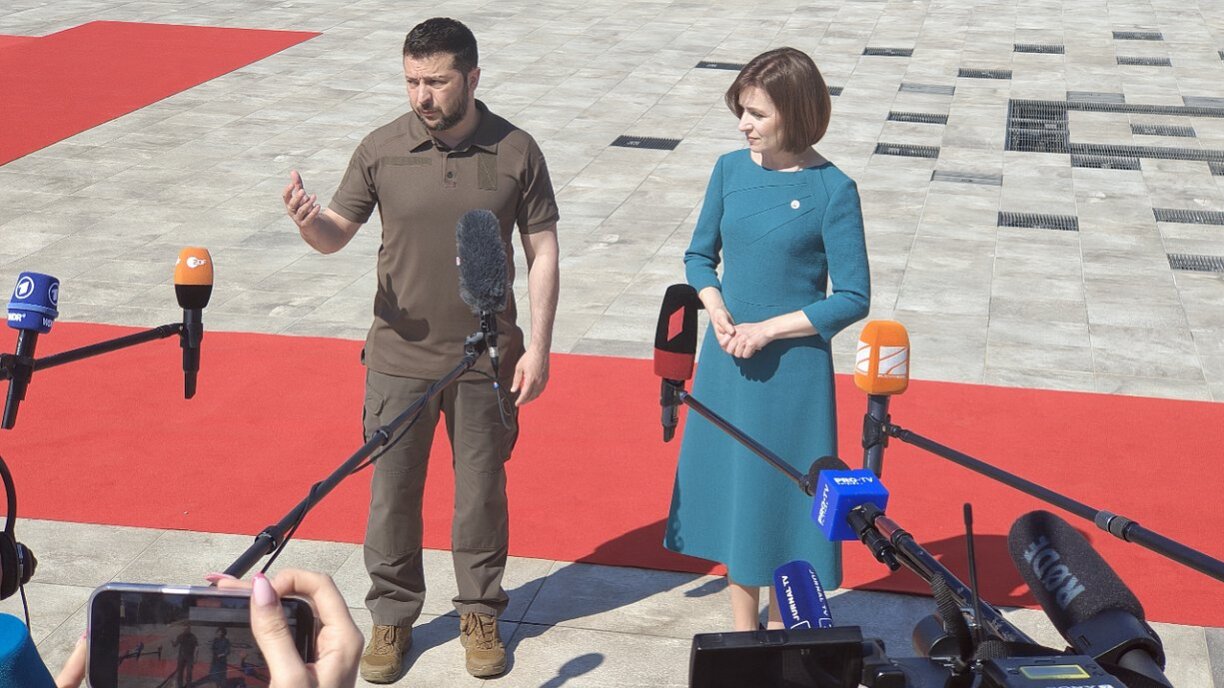
Ukrainian president Volodymyr Zelensky also arrived in Moldova on Thursday and was greeted by his Moldovan counterpart, Maia Sandu.
The selection of Moldova as the meeting location holds significant symbolic value. Moldova, led by pro-western Prime Minister Dorin Recean, is actively combatting Russia's influence. The self-proclaimed republic of Transnistria lies in the western part of the country and is officially recognised as part of Moldova. However, it is controlled by pro-Russian separatist forces supported by Moscow.





