The 17 Sustainable Development Goals (SDGs) adopted by the United Nations in 2015 are meant to be achieved by 2030. In Luxembourg, these goals have been translated into ten national priorities. To ensure they are implemented at local level, several existing frameworks are already in place, notably the Climate Pact, Nature Pact, and Housing Pact, all based on conventions signed between municipalities and the state.
The new 'Gemengen2030' tool, however, takes the form of a charter signed with the Ministry of the Environment and the Climate Agency (Klima-Agence).
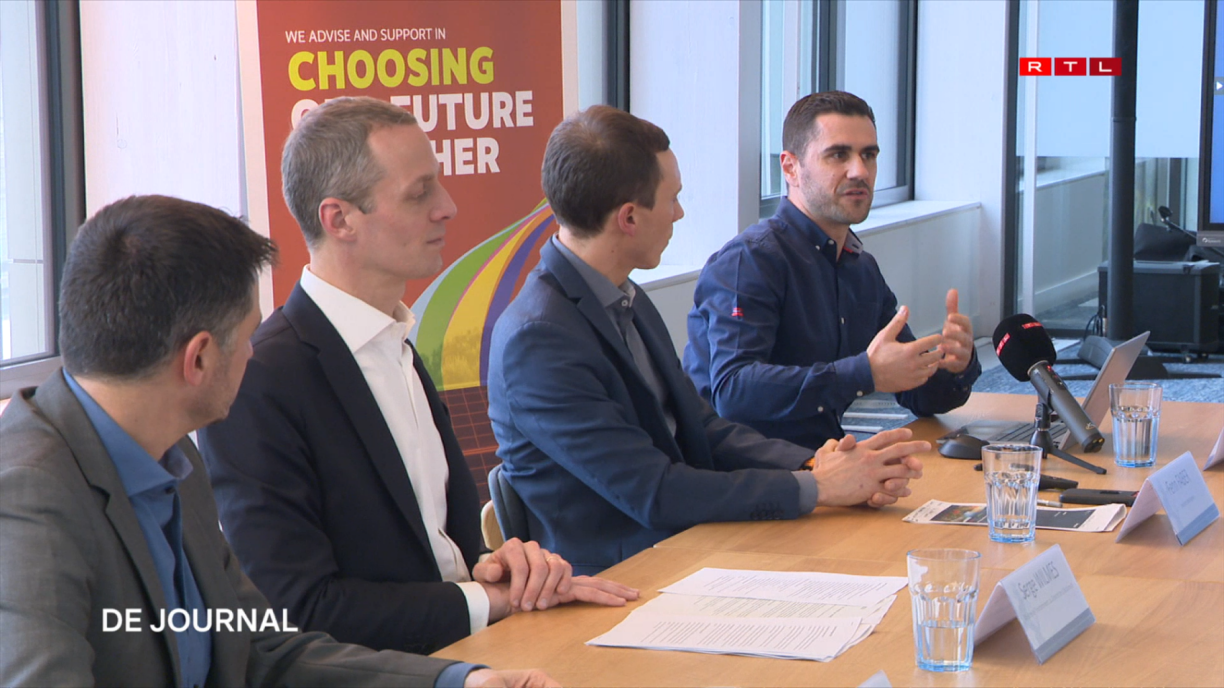
Environment Minister Serge Wilmes explained that by signing the charter, municipalities formally commit to the process. In practical terms, he said, this means completing a detailed questionnaire outlining which sustainability measures are already in place locally, while also helping to raise awareness of where additional actions may still be needed.
Municipalities that complete the self-evaluation via the platform receive a €10,000 grant from the Ministry of the Environment, intended to be reinvested in further sustainability projects. According to Fenn Faber, director of the Klima-Agence, the tool is designed to give municipalities a broader understanding of sustainability as a whole.
Faber said the platform helps local authorities see how their day-to-day actions on the ground connect with wider international objectives. From his perspective, it also allows municipalities to carry out a kind of strengths-and-weaknesses analysis: highlighting what is already working well and deserves recognition, while clearly identifying gaps where more effort is required.
Bruno Barboni from the Klima-Agence outlined how the website works in practice. He explained that municipalities are guided through a structured questionnaire in which they assess their own performance.
Barboni explained further that for each question, municipalities can rate their level of achievement on a scale from 0 to 100 per cent. One of the key advantages of the tool, he added, is that municipalities do not need to worry about matching individual questions to specific objectives themselves, as the system automatically classifies the answers under the relevant goals.
According to Barboni, the questions have been specifically adapted to the Luxembourg context, and the platform provides a single, standardised tool for the entire country. It is intended to offer both municipalities and citizens a clear overview of existing sustainability initiatives and of how far Luxembourg has progressed towards its objectives.
Those interested may take a look at the website here.





