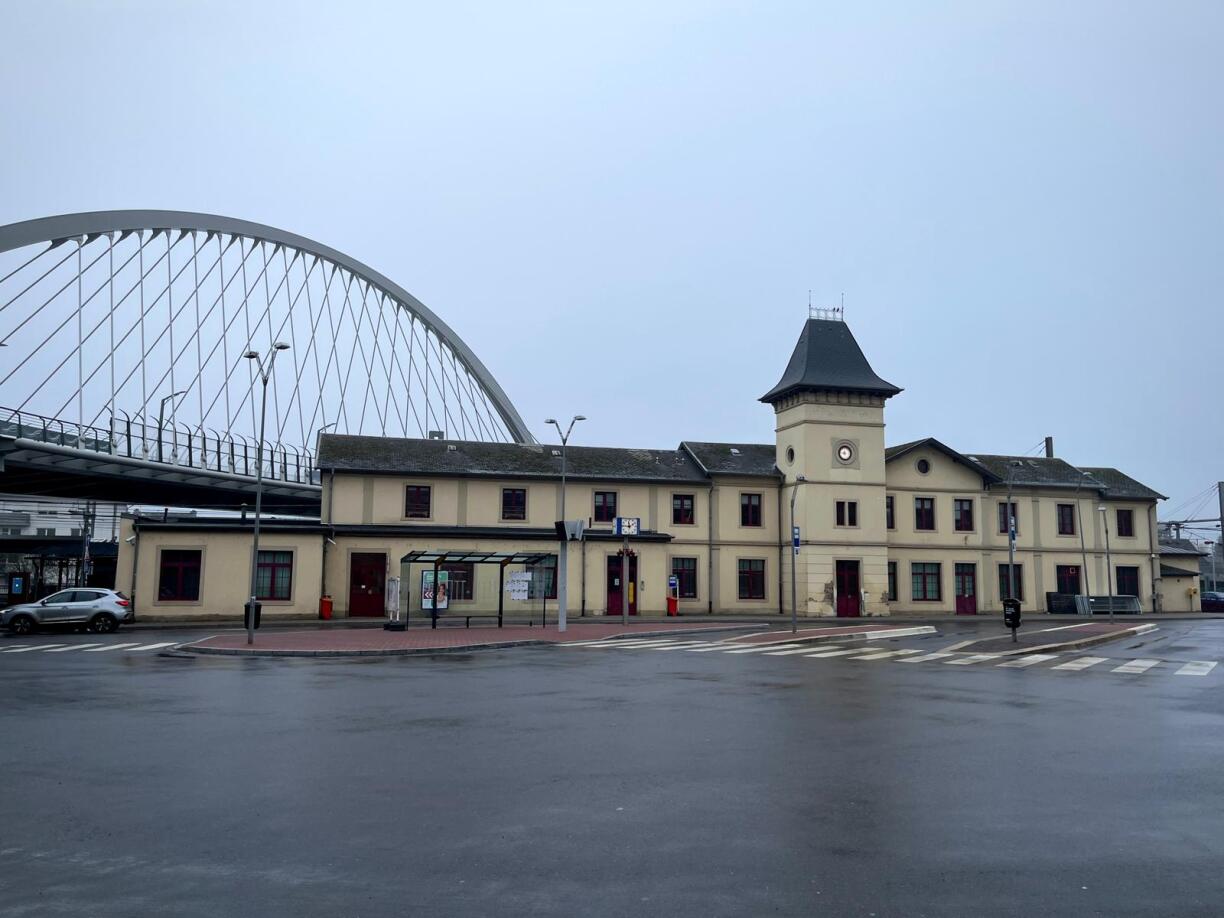
Herlander Gotinho Neto Costa was assaulted in 2023 at Bettembourg station at around 2pm by three individuals. He was working for a private bus company at the time and had been assigned to replace a cancelled train service.
He recalled noticing three young individuals during his break, observing them breaking glass bottles and deliberately provoking passers-by before approaching him and a colleague. He explained that when they demanded that he open the bus and give them a cigarette, he refused.
According to Neto Costa, the situation escalated quickly: the young men became aggressive, approached him, and after a brief confrontation he was struck from behind, knocked to the ground, beaten, and had his glasses smashed.
He spent a day in hospital and later received psychological support. After two months, he was able to return to work.
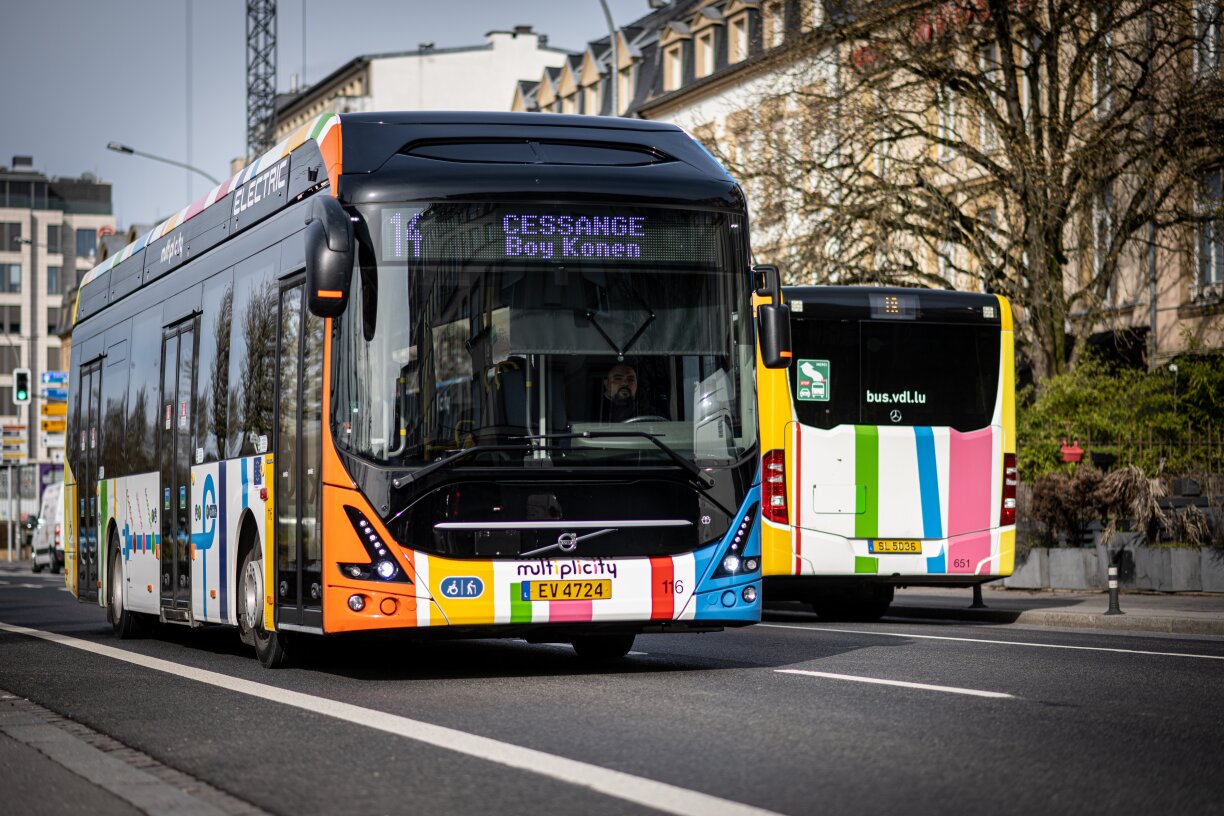
This is just one testimony among many. To improve safety on public transport, the Independent Luxembourg Trade Union Confederation (OGBL) is calling in particular for properly secured driver cabins on buses, along with clear standards for these installations. According to union representative Sveinn Graas, the current situation falls short.
He explained that while protective cabins have been installed, only around 40% of privately operated buses are currently equipped with them, adding that this is a figure that has not improved for the past two years.
Moreover, Graas said, not all cabins offer the same level of protection, as some designs still allow passengers to reach the driver easily, such that drivers remain vulnerable to physical attacks.
More and more incidents are being reported, although the union believes the real number is higher. Graas pointed out that staff are sometimes discouraged from reporting less serious incidents, which could explain why official figures for aggression on networks such as TICE, RGTR, and the tram appear stable or even slightly lower.
Statistics nevertheless show a clear upward trend overall. On the AVL network, 35 cases of aggression against staff were recorded in 2023, rising to 73 in 2024 and 163 last year. Similar increases were seen at the national railway CFL network, where reported incidents rose from 192 in 2023 to 216 in 2024 and 280 last year. Most cases involve verbal abuse, with some instances of harassment.
Aggression against passengers has also increased. On the AVL network, incidents rose from 21 in 2023 to 63 in 2024 and 104 in 2025. At CFL, the figures climbed from 375 to 443 and then to 486 over the same period.
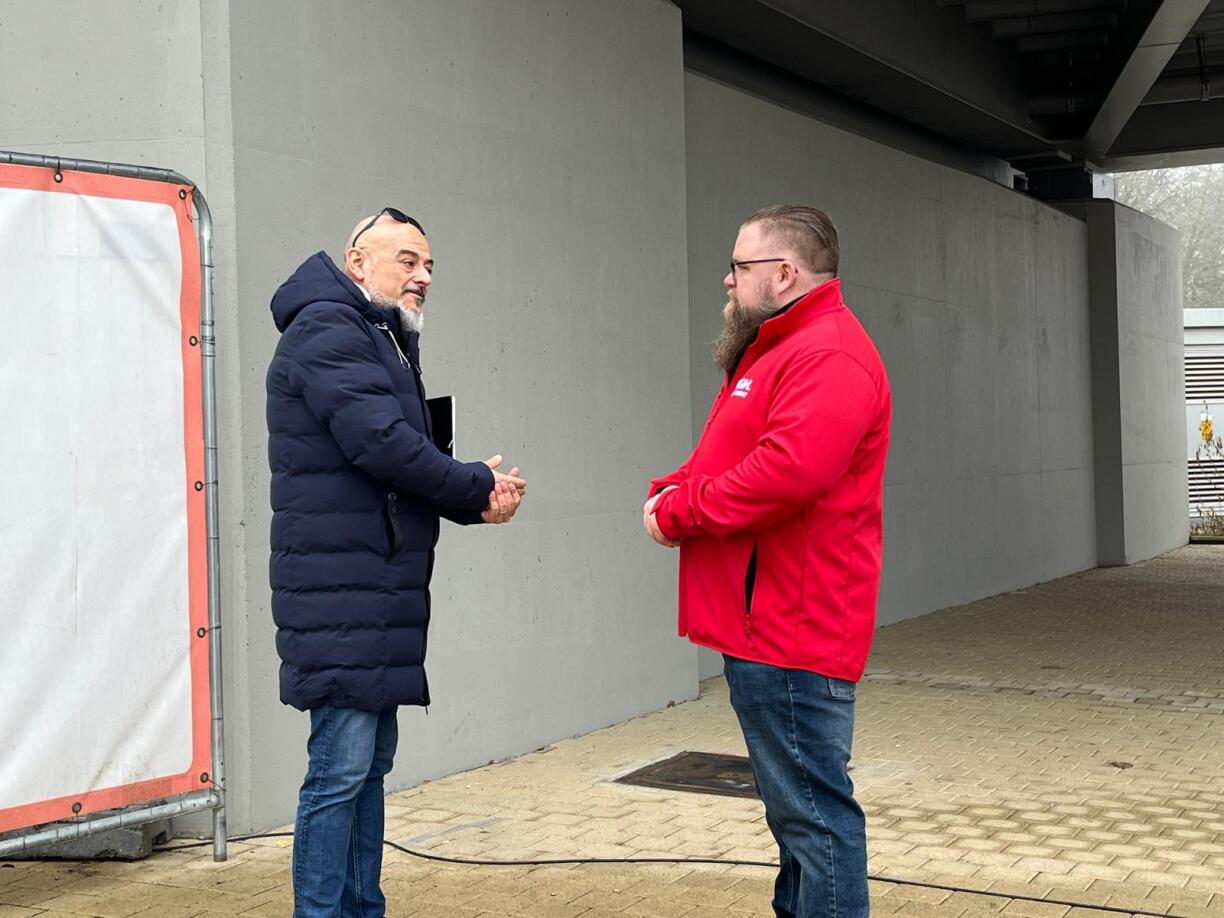
Beyond protective cabins for bus drivers, the OGBL is also calling for more on-site security staff, similar to the presence already seen on the tram network, so that incidents can be dealt with immediately when they occur. The union also stressed the need for better monitoring and follow-up of individual incidents, which it says is currently lacking.
Improved infrastructure could also act as a preventive measure. According to the OGBL, many assaults take place at terminus stops, where drivers are required to take their breaks outside. Providing access to indoor rest areas could help reduce the risk of such incidents occurring.