
Here are five things you should know at the end of this week:
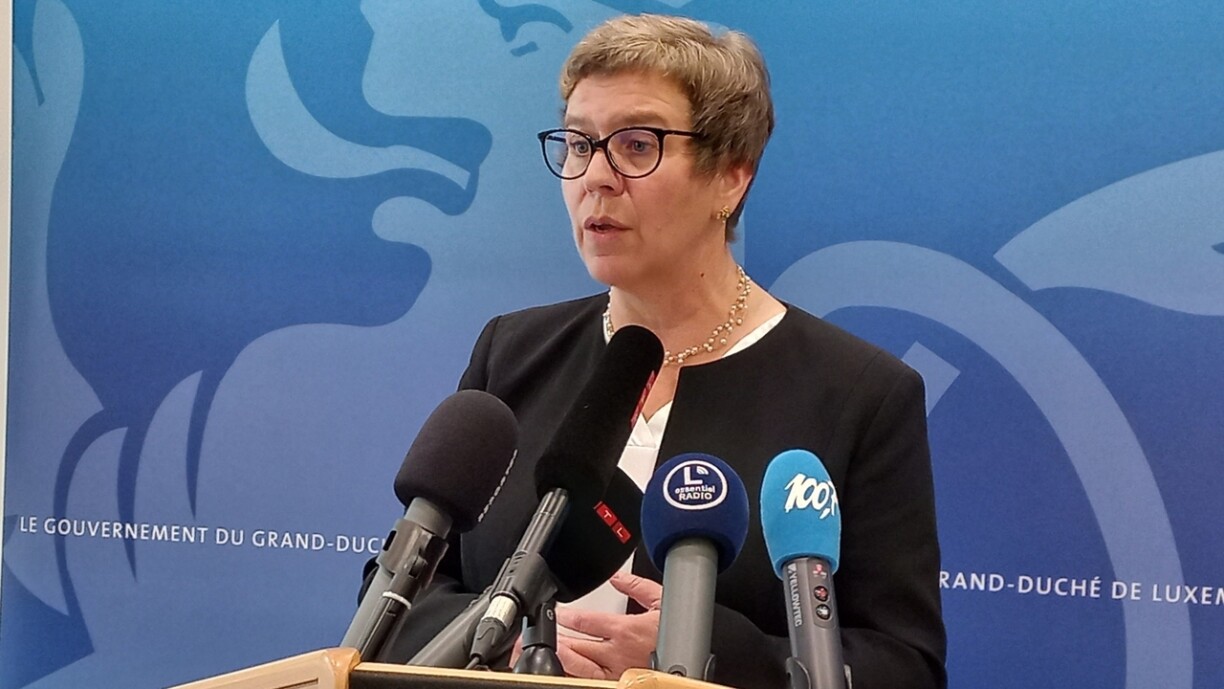
Cloudy retirement rules – The National Pension Insurance Fund (CNAP) is facing significant challenges in implementing the pension reform measures adopted by the government in late 2025, according to internal documents reviewed by RTL. While the reform raises the required contribution period beyond the former 480 months, the law does not clearly state how or when the increase applies, leaving room for conflicting interpretations. CNAP analyses highlight uncertainty for people whose contribution milestones and age thresholds do not align neatly, increasing the risk of disputes or court challenges. To keep the system functioning, the fund has adopted its own operational interpretation, even as it acknowledges potential legal exposure.
Administrative burden – The rollout of the new retirement scheme is expected to significantly increase CNAP’s workload, with internal estimates pointing to a 25% rise in administrative tasks. Managing payments, conducting multiple eligibility checks, and calculating individual certificates needed for tax advantages all add complexity, particularly for applicants with atypical education or career paths. Coordination with tax authorities has been necessary, and while partial solutions are in place, the documents underline how the reform deepens an already intricate pension system that has long exceeded manual calculation methods.
Part of the process? – While the CNAP says clearer guidance will follow once its legal analysis and internal procedures are finalised, preliminary information – including how to apply for progressive retirement via guichet.lu – is already online, and applications are set to open in early 2026, with the scheme taking effect a few months later. Social Security Minister Martine Deprez has acknowledged the added workload but downplayed its scale, announcing an increase in the CNAP’s staffing ceiling by up to 100 positions to support implementation. That pledge has drawn sharp criticism from The Left, who describe the reform’s rollout as "chaotic", blame ambiguously drafted legislation, and insist the new posts should be funded from the state budget rather than pension contributions.
The dispute unfolds against the backdrop of last year’s heated political debate and protests, after which the government preserved a central element of the reform: a 0.5% contribution hike shared by workers, employers and the state to stabilise pension finances.
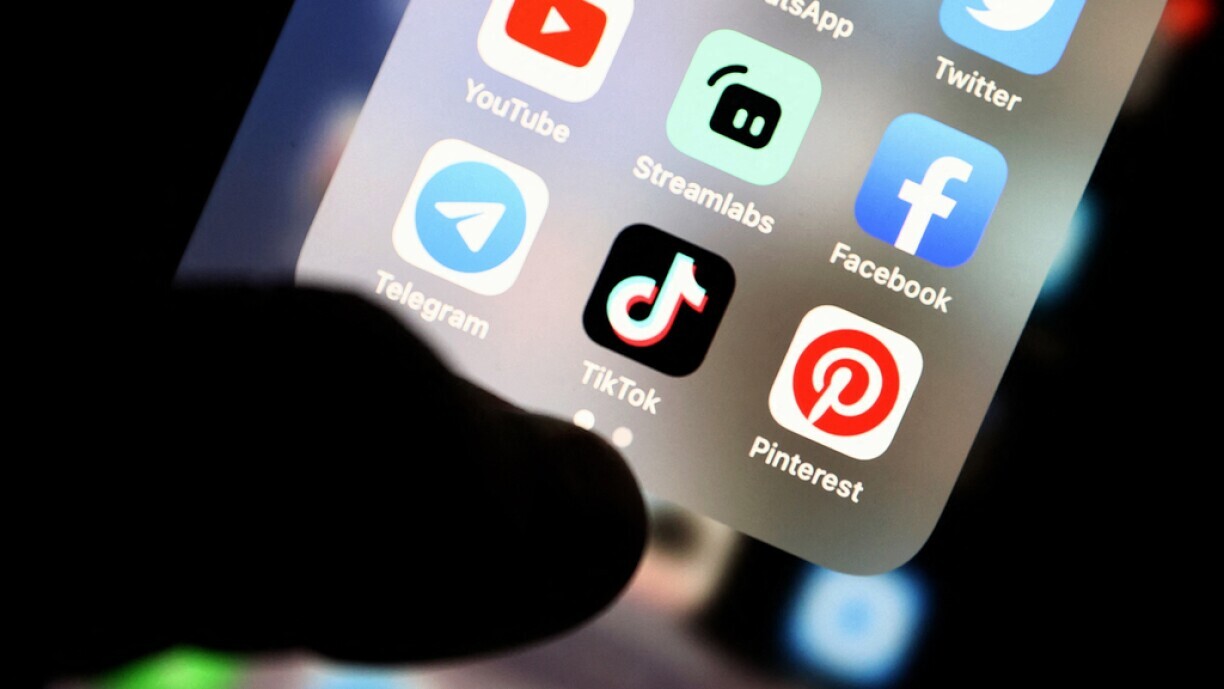
Social media ban in Luxembourg? – A recent AI-related scandal has added momentum to calls for stronger state intervention. Luxembourg’s Ombudsman for Children and Youth Charel Schmit is urging the government to introduce strict age limits on smartphone ownership and social media use, arguing that voluntary safeguards are no longer enough to protect young people. The call follows controversy over Elon Musk’s AI chatbot Grok, which was misused to generate abusive content, and comes as Australia’s under-16 social media ban reshapes the global debate.
While Luxembourg has so far preferred a coordinated European approach, the Ombudsman says national action may now be necessary, proposing a ban on screens for under-threes, no smartphones before age 15, and independent social media use only from 16, with younger teens using internet-free phones.
Lëtz be reasonable – Luxembourg’s National Youth Council (CGJL) and National Student Council (CNEL) have not adopted an official stance on banning social media for under-16s, but both acknowledge the serious risks digital platforms pose to young people’s health and well-being. CGJL president Liam Bremer is sceptical of a general ban, arguing it oversimplifies complex issues and ignores the social and communicative benefits platforms can offer, while stressing that age verification alone will not solve underlying problems. CNEL president Luca Roettgers is more open to age limits but insists they must be paired with stronger media education so children can recognise misinformation and online dangers.
Both organisations agree that politicians should focus on holding platforms accountable through stricter regulation and enforcement, pointing to existing EU tools such as the Digital Services Act, and warn that bans without broader reforms and awareness-raising are unlikely to be effective.
Calls for ban gaining traction? – After Australia rolled out a world-first ban on social media for under-16s, the move is intensifying debate in Europe, where concerns about teenagers’ mental health are already high. The Australian law forces major platforms such as Instagram, TikTok and Facebook to remove underage users and block new accounts, leaving enforcement to companies through age checks and verification tools, with heavy fines for non-compliance, while acknowledging the system will not be foolproof.
Inspired by this approach, France is considering a similar ban for under-15s after its public health watchdog warned that social media has well-documented negative effects, especially on girls, who are more exposed to cyberbullying, unrealistic beauty standards and algorithm-driven pressures. French experts argue that beyond age limits, platforms themselves must be redesigned and more strictly regulated to better protect young users.
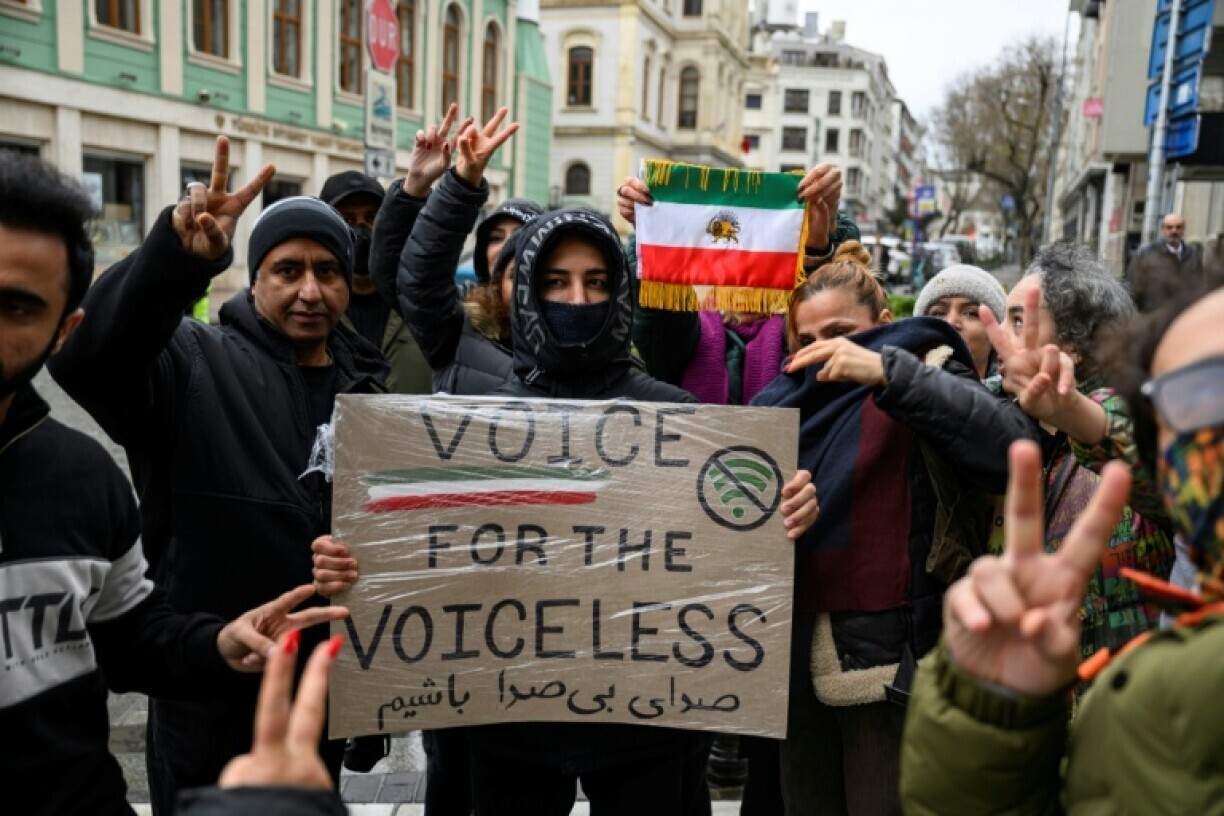
A bloody crackdown – Iran has been shaken by its largest protests in years, as more than two weeks of protests driven by anger over rising living costs escalated into open calls for the overthrow of the Islamic republic. Despite a nationwide internet blackout aimed at suppressing the movement, videos showed mass demonstrations in Tehran and other major cities, with protesters chanting slogans against Supreme Leader Ayatollah Ali Khamenei and setting fire to official buildings, prompting exiled figure Reza Pahlavi to urge further rallies. Analysts say the protests are the biggest since the 2022–2023 Mahsa Amini demonstrations; government response has been brutal, resulting in a death toll reportedly exceeding 3,400 –including minors – and thousands of detained protesters, amid suspicions of torture and forced confessions.
Global condemnation – Internationally, tensions remain high as US President Donald Trump said he had received assurances from Iranian sources that the killing of protesters and planned executions had been halted, though he cautioned the claims were unverified and said possible US military action remained under review. Iranian officials insisted the situation was under control, blaming foreign interference for violence that followed initially peaceful protests over economic hardship. Despite these statements, rights groups say security forces have killed at least 3,428 people and arrested more than 10,000 during what they describe as the harshest repression in years, carried out amid a near-total internet blackout. The UN Security Council is set to discuss the crisis, while G7 countries have warned of further sanctions, airlines are avoiding Iranian airspace, embassies have closed or issued travel warnings, and markets briefly eased as Trump’s comments reduced fears of an imminent military escalation involving one of the world’s key oil producers.
Luxembourg’s government and political parties have voiced strong concern over the violent crackdown, while rejecting military intervention as a solution. Prime Minister Luc Frieden said Luxembourg supports those striving for democracy in Iran but does not believe foreign military action would help, urging Europe to defend its values through coordinated diplomacy. Across the political spectrum, Luxembourg MPs expressed solidarity with Iranian protesters, condemning what they described as the regime’s brutal repression and calling for an end to further bloodshed. As uncertainty persists, Luxembourg officials and lawmakers stress that Iran’s future must ultimately be decided by its people, even as some opposition figures abroad, including Reza Pahlavi, publicly back the protest movement.
A long way from home – The mass protests in Iran have left Iranians in Luxembourg like Elmira Najafi and Farshad Afsharimehr deeply worried and largely cut off from their families, as the government’s brutal crackdown and communication blackouts make it almost impossible to know what is happening. Najafi, who had last spoken to relatives last Thursday, described the protests as unprecedented, with her uncles, aunts, and cousins joining the demonstrations despite the risks of arrest or false accusations such as espionage. Afsharimehr, whose parents passed away just before the unrest began, has been unable to contact his remaining family, leaving him distressed and frustrated at being powerless to help. Both stress the dangers posed by internet, phone, and power cuts, while also expressing cautious hope that the protests could lead to democratic change and an end to clerical rule.

It's been 25 years... – After more than a quarter century of negotiations, the EU and South America’s Mercosur bloc are set to sign a landmark free trade agreement in Paraguay, creating one of the world’s largest trade areas and eliminating tariffs on over 90 percent of bilateral trade. The deal will favor European exports such as cars, machinery, wines, and spirits, while giving Mercosur easier access for beef, sugar, rice, honey, and soy, reflecting a shared effort to strengthen multilateral trade amid rising global protectionism. Despite being hailed as historic, the pact faces opposition, particularly from European farmers concerned about cheaper South American imports, prompting the EU to promise a crisis fund and safeguard measures. The agreement still requires ratification by Mercosur members and the European Parliament, leaving its full implementation uncertain.
Not without incident – The EU-Mercosur deal was originally slated for signing before the end of 2025, but was delayed until January 2026 after strong objections from France and Italy at a European leaders’ summit. While the pact promises to create the world’s largest free trade zone and expand EU exports to Latin America, key member states insisted on stricter protections for their agricultural sectors. French President Emmanuel Macron called for significant revisions, and Italy sought more time and guarantees, and despite support from Commission President Ursula von der Leyen as well as Germany, Spain, and the Nordic countries, opposition within the European Council was enough to block a vote, highlighting persistent divisions over reconciling trade goals with social and environmental standards.
"This is an outrage" – Thousands of farmers staged Europe-wide protests in the run-up to the finalization to the deal, fearing unfair competition, as tractors clogged highways in several European cities.
Protesters rallied in Ireland and France following the treaty's approval, claiming cheap South American beef could undercut local agriculture and bypass EU standards. Demonstrations blocked roads and fuel depots, highlighting strong opposition from farmers despite support from business groups and wine producers.
Polish farmers marched in Warsaw to protest the deal, fearing it will harm local agriculture, threaten food security, and allow imports produced with pesticides banned in the EU. Thousands gathered with flags, flares, and tractors, denouncing unfair competition just after the deal was approved by a majority of EU states, though Poland, France, Ireland, Austria, and Hungary had voted against it.
In December, violent protests erupted in Brussels, with farmers demanding a reversal of policies they argued were crippling the continent's agricultural sector. Thousands came together against the EU’s agricultural policies and the Mercosur trade deal, clashing with police amidst water cannons, tear gas, and thrown objects. Demonstrators from France, Poland, and Austria expressed frustration over unfair regulations, mass imports, shrinking budgets, and cuts to rural development funding.
All together now – European countries are boosting their military presence in Greenland through NATO exercises, with troops from Denmark, Germany, France, Britain, Finland, the Netherlands, Norway, and Sweden deployed to strengthen Arctic security. These reinforcements aim to support Denmark and reassure the region amid tensions over US ambitions, though the White House maintains its goal of acquiring Greenland, leaving European officials emphasizing diplomacy while coordinating a NATO-backed security response.
Another day, another threat – US President Donald Trump declared that the United States would acquire Greenland "one way or the other", citing the island’s strategic and mineral-rich importance and warning that Russia or China could seize it if Washington did not act. He suggested a deal with Greenland’s authorities but insisted on US control, dismissing Danish objections and mocking the island’s defenses, despite Greenlanders’ clear opposition and Denmark’s warning that any forced takeover would damage decades of transatlantic security cooperation.
International law is, yet again, on the spot, and the potential ramifications of the aggressive actions of recent years could be wide-spreading.
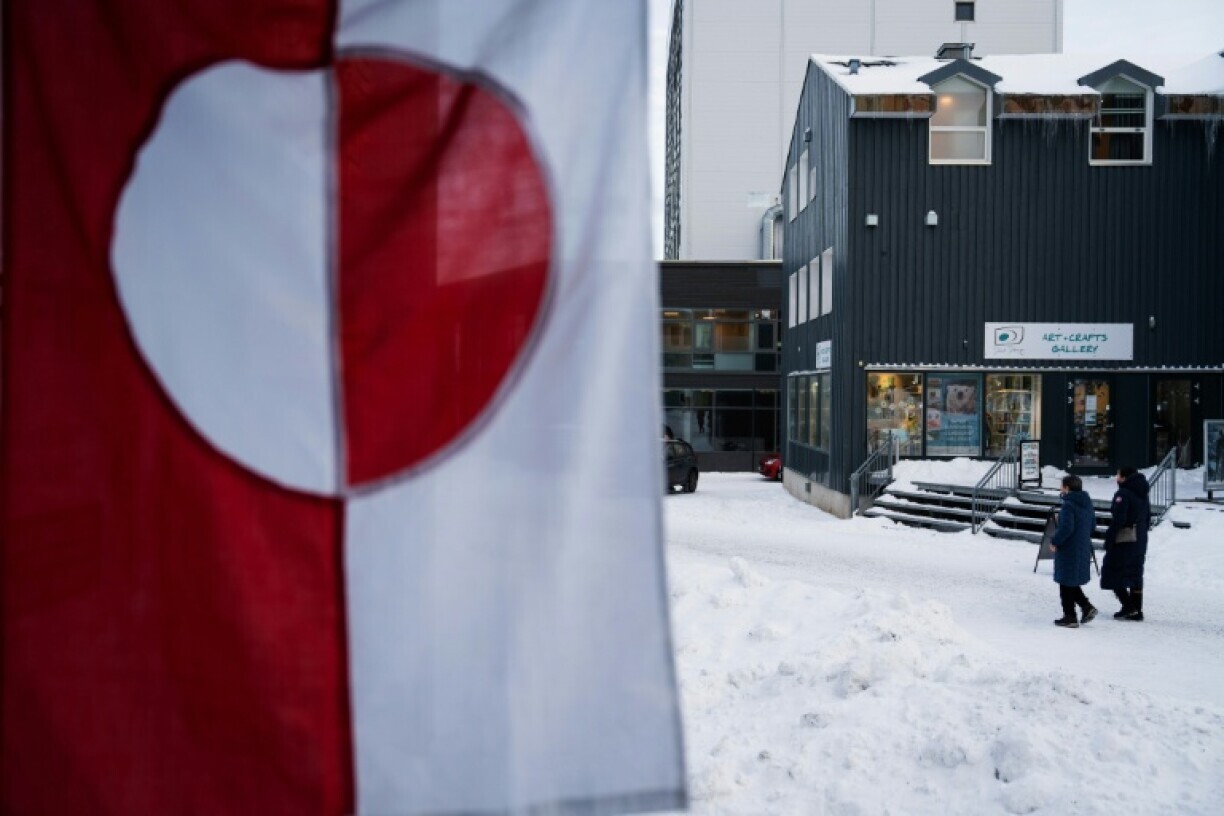
It's complicated – Greenlanders have made it clear that they reject any notion of becoming part of the United States, expressing both relief and anxiety after high-level talks in Washington with US, Danish, and Greenlandic officials. Prime Minister Jens-Frederik Nielsen emphasized that if Greenland had to choose between Denmark and the US, the island would remain under Danish sovereignty, rejecting President Trump’s repeated threats to “take” the territory. Residents in Nuuk displayed a show of national unity, with red and white flags flying across the city and slogans like “Greenland is not for sale” appearing in shops, reflecting widespread opposition to US control. Danish officials also underscored “fundamental disagreements” with Washington, while Greenlandic authorities sought to reassure the population that dialogue and diplomacy were the proper path forward.
At the same time, Greenland has been cautiously advancing a long-term push for independence from Denmark. While a majority of Greenlanders support eventual sovereignty, the territory’s fragile economy, dependence on Danish subsidies, and small population make a rapid secession impractical. The current government is pursuing a gradual approach, based on a 2024 draft constitution and the 2009 Self-Government Act, which requires negotiations with Copenhagen and a local referendum for any formal independence. Citizens and experts alike stress the need for careful planning, even as Trump’s claims and international attention have intensified the discussion.
Your Weekly Recap is published every Friday at noon.
Read earlier versions here.





