The building industry is yet to recover from the 2022 construction crisis with rising interest rates and increased material costs.
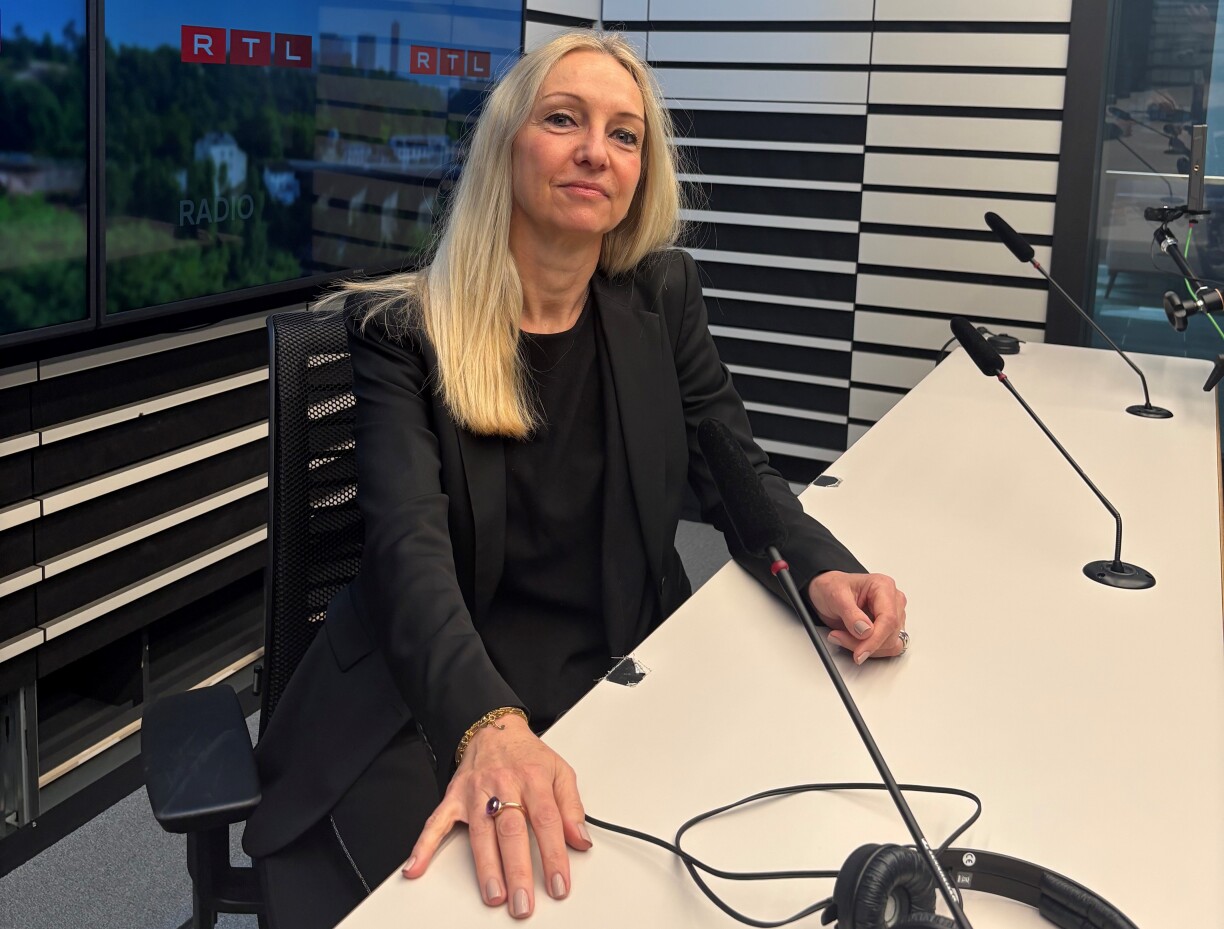
Although there is a little more activity in the private market, Michelle Friederici, president of the Order of Architects and Consulting Engineers (OAI), said six architect firms had closed down since September. While nine months ago, there were 516 offices, employing 5,700 people, now there are only 510, with 140 job losses, she said.
The OAI head named the banks' reticence as one of the reasons behind the lack of recovery. She explained that larger projects have to be sold up to four-fifths on plan in order to qualify for a loan, with smaller construction companies also subjected to complicated requirements in order to obtain loans.
Friederici said she had heard from colleagues who said banks demanded a specific energy class which isn't even prescribed by the government, something that requires reconsideration in her view.
Alongside financial difficulties, Friederici addressed other issues plaguing the sector: new standards in safety, ecology, accessibility, all of which have good intentions but come at a high price. She said the current rules are turning construction into an administrative obstacle course, with builders forced to jump through ever more hoops as procedures and regulations become increasingly complicated.
For some time now the OAI has been advocating for building type "E", with simpler regulations, and reduced civil responsibility. The Ministry of Housing has some "very good" specifications with minimal requirements, she said, but pointed out that some municipal building regulations had higher demands, such as bigger rooms.
Friederici said that a national building code to replace the numerous different municipal building regulations would help. This is one of the many projects in the administrative simplification plan touted by the coalition between the Christian Social People's Party (CSV) and the Democratic Party (DP) to speed up construction.
The work is almost done, Friederici said, while emphasising that this plan does not intend to call municipalities' autonomy into question. It would be important to ensure the text was "AI-friendly", she stressed.
Asked what “AI-friendly” would mean in practice, the OAI president said it would help remove contradictions between the different regulations currently in place across Luxembourg’s 100 municipalities, for example on stair dimensions, ceiling heights, or how to calculate a cornice.
She described the current situation as a "jungle" and argued that, just as road traffic rules are standardised across municipalities, construction rules should also be made clearer and more consistent.
Other measures are to be considered, such as adapting the procedure for municipal building plans (PAG and PAP), while other, smaller measures have been implemented already. Friederici said she welcomed improvements on MyGuichet and the Geoportal, but these did not compensate for the contradictions in building regulations.





