Until now, there had been no definitive and entirely accurate method of diagnosing the disease, with an average of three years often required for specialists to confirm a diagnosis. However, due to the discoveries made by the Luxembourgish-Japanese research team, it will now be possible to aid affected patients in a more effective manner.
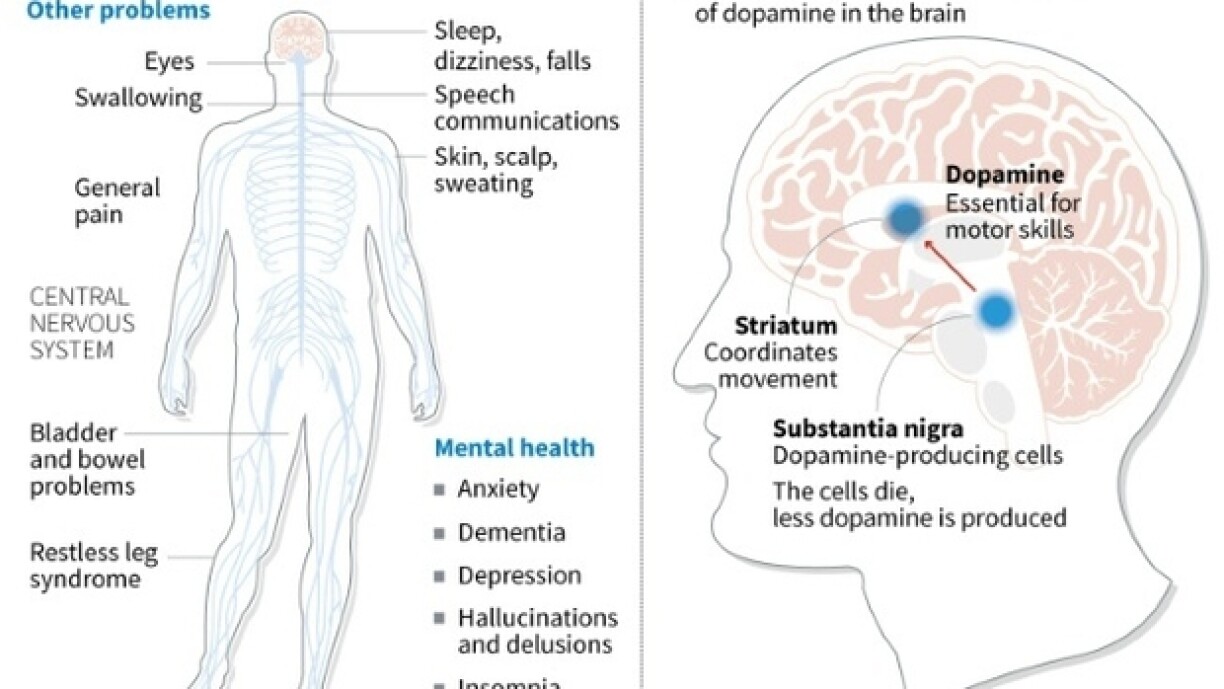
Individuals affected by the condition have certain brain cells that are no longer capable of secreting a specific protein type. As a result, the protein accumulates within these cells, impairing their functionality and eventually leading to total cessation of their operations.
The researchers have now succeeded in identifying remnants of these protein aggregates in the blood. Specifically, they've developed a procedure to magnify minuscule amounts of the protein to make it detectable. This breakthrough signifies a significant advancement in Parkinson's research, which has been ongoing in Luxembourg for nearly eight years.
Every year, up to 900 Parkinson's patients undergo examination in the Grand Duchy. The samples they provide, alongside the brain donations some offer posthumously, are invaluable to ongoing research.
Typically, only a brain analysis can yield a completely accurate diagnosis. However, Prof Rejko Krüger of the Luxembourg Institute of Health (LIH) asserts that these protein clusters can now act as a unique identifier for the disease, as they only occur in individuals affected by Parkinson's.
The researchers are now investigating whether these biological markers can be detected in the blood prior to the onset of the disease's initial symptoms. This could potentially facilitate the development of preventative treatments and testing for those at higher risk.
In connection with this study, the research team is seeking participants aged between 50 and 80 who have not been diagnosed with any neurological disorders. The first phase involves participants completing questionnaires, after which some will receive an at-home smell test. A selected subset will then be invited to provide blood, urine, and saliva samples in a laboratory setting.
Interested individuals can register for the study via this link.





