The only year that was warmer was 2020. In 2018, temperatures were similar to those of 2022.
This year, the average temperature was 1.3°C higher than the average over the past 30 years. Snow has also become less common in Luxembourg. Mathias attributes the record temperatures to climate change, stating that "the probability of more extreme temperatures is much higher."
The weather agency, which is based in Findel and responsible for monitoring weather around the airport and throughout the country, has an eye on maps and reports 24/7. Even at night, there is always someone available to issue potential alerts.
Have extreme weather events led to more weather alerts?
It is difficult to say, according to Mathias. However, it is clear that since 2015, there has been more drought than before.
On the other hand, there have been four days since 2010 when more than 50 litres of precipitation were recorded per day, which has only happened once between 1947 and 2010.
To prepare for potential weather events, the agency mostly looks at weather models from outside of Luxembourg, but for statistical and reporting purposes it only focuses on the Grand Duchy.
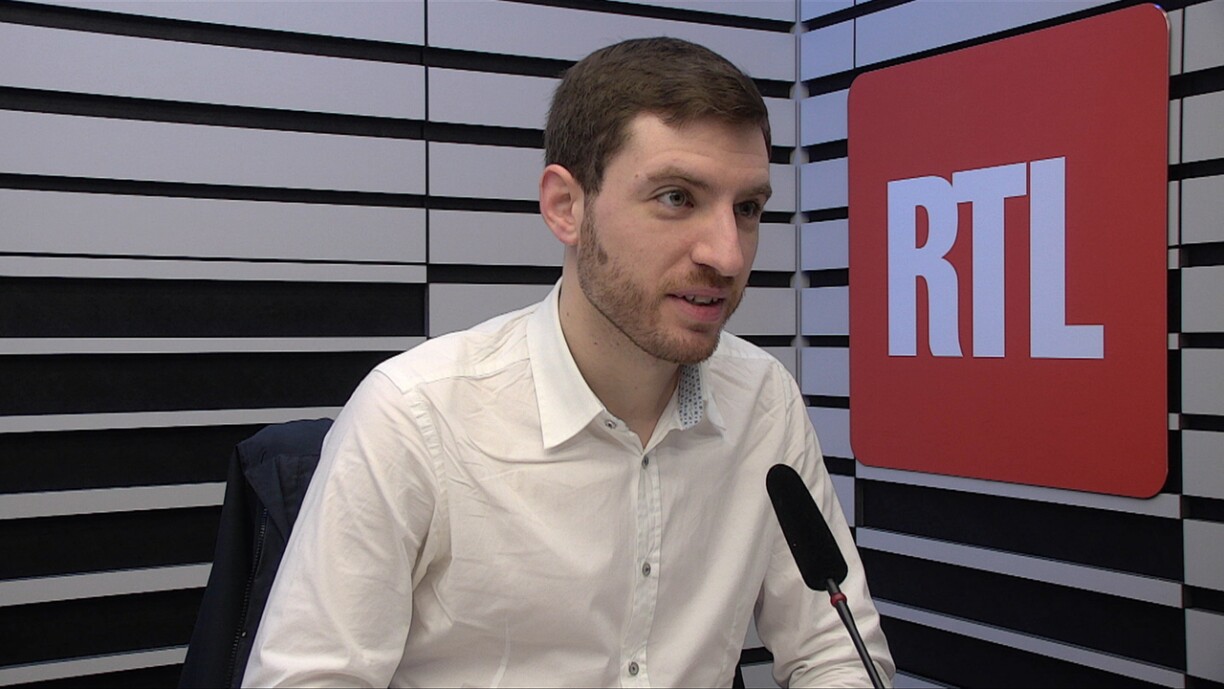
Mathias notes that it is sometimes difficult to determine the severity of a weather event and therefore whether or not to issue an alert. The agency tries to avoid changing alerts once they have been issued.
In terms of future weather patterns, climate projections indicate that there will be more heat waves and fewer cold days in Luxembourg, and that northern Europe will experience more rain and snow while the south becomes drier.
When asked what he would say to climate change deniers who argue that extreme weather has always existed, Mathias adds that while extreme weather has indeed always been around, many weather phenomena are becoming exacerbated by climate change.





