
Here are five things you should know at the end of this week:


Luxembourg City is set to enforce a begging ban starting Friday, initiated by Minister Léon Gloden, which is opposed by various parties, including the LSAP and Pirate Party, who see it as a repressive measure that ignores poverty alleviation.
Stern opposition – The impending implementation of a begging ban in Luxembourg City, set to commence this Friday under the direction of Minister for Home Affairs Léon Gloden, has sparked significant controversy.
This policy reversal, overturning the decision of Gloden's predecessor, Taina Bofferding, has faced stern opposition from various political factions, most notably the Luxembourg Socialist Workers' Party (LSAP) and the Pirate Party. These groups argue that the ban represents a harsh and punitive approach to the issue of poverty, neglecting more compassionate and effective solutions.
Partial ban – The specific regulations of the begging ban in Luxembourg City involve restrictions on begging activities in certain key areas, including major streets, neighbourhoods like Gare, and prominent public squares, from early morning until late evening. Minister Gloden has emphasised that the ban's primary aim is to curb aggressive and organised begging, not to target individuals in genuine need.
The plan includes initial awareness-raising measures like flyer distribution and an increased police presence. Subsequent phases involve imposing fines on individuals found begging in prohibited times and places, with cases potentially forwarded to the public prosecutor's office. This approach, while aimed at maintaining public order, has been met with skepticism regarding its potential effectiveness and fairness.
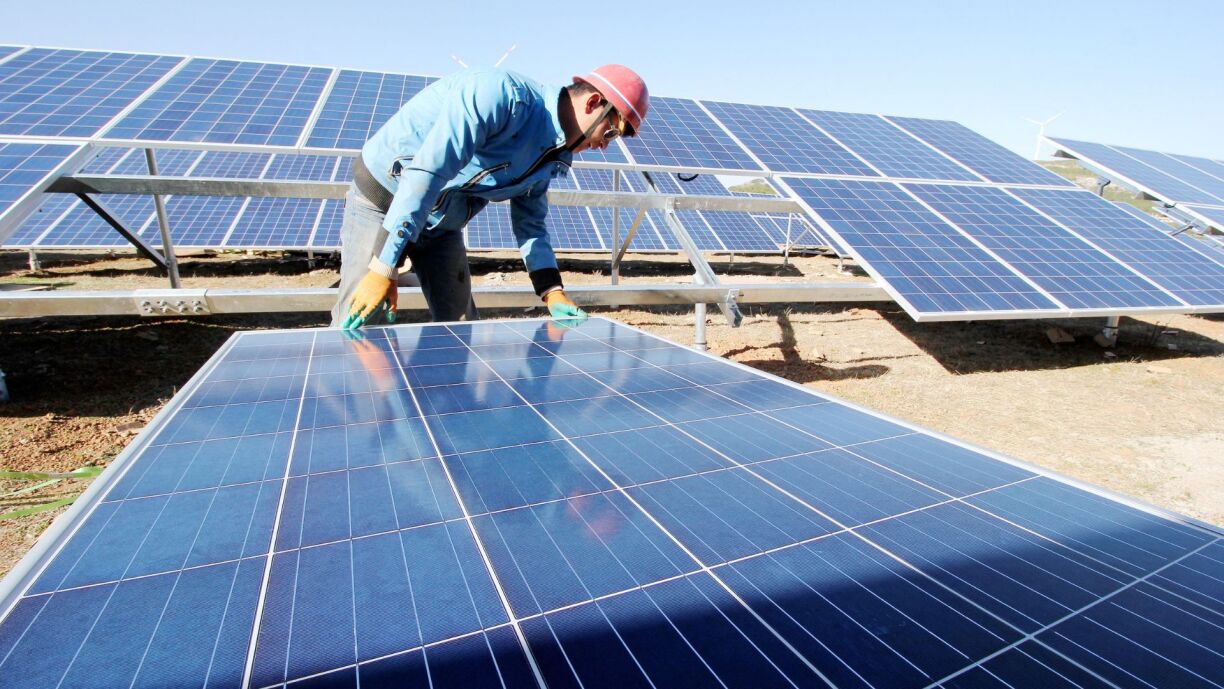
PM Luc Frieden announced the extension of subsidies for eco-friendly initiatives like photovoltaic systems, heat pumps, and electric vehicles until the end of June.
The government will conduct a six-month review of these measures, considering links to social criteria and discussing housing-related fiscal and procedural policies with various stakeholders.
Specific tax benefits related to housing, awaiting legislative approval, will be retroactively applicable from January 1, 2024, as outlined by Frieden.
Subsidies extended – Prime Minister Luc Frieden has made a significant announcement regarding the extension of government subsidies for various eco-friendly initiatives. Initially set to expire at the end of March, these subsidies will now be extended until the end of June. The extension is a part of the government's broader commitment to promote environmentally sustainable practices. It particularly focuses on encouraging the adoption of renewable energy sources and eco-friendly transportation options, which are crucial for reducing carbon emissions and combating climate change.
Review process – The government is not just extending these subsidies, but also planning a thorough review over the next six months. This review aims to explore how these subsidies could be linked to social criteria, ensuring that they benefit a wide range of the population and contribute to social equity. This process involves collaborative discussions with ministers, sector representatives, and municipal authorities, emphasising a unified approach in addressing housing and environmental concerns.
Further benefits planned – A critical aspect of the announcement is the mention of specific tax benefits that are still in the pipeline. These include measures like accelerated depreciation and a tax credit on notarial instruments, known locally as "Bëllegen Akt". While these tax benefits are designed to further support eco-friendly housing initiatives, they are yet to be detailed in legislation and subsequently approved by the Chamber of Deputies. Once passed, these measures will have a retroactive effect from January 1, 2024.
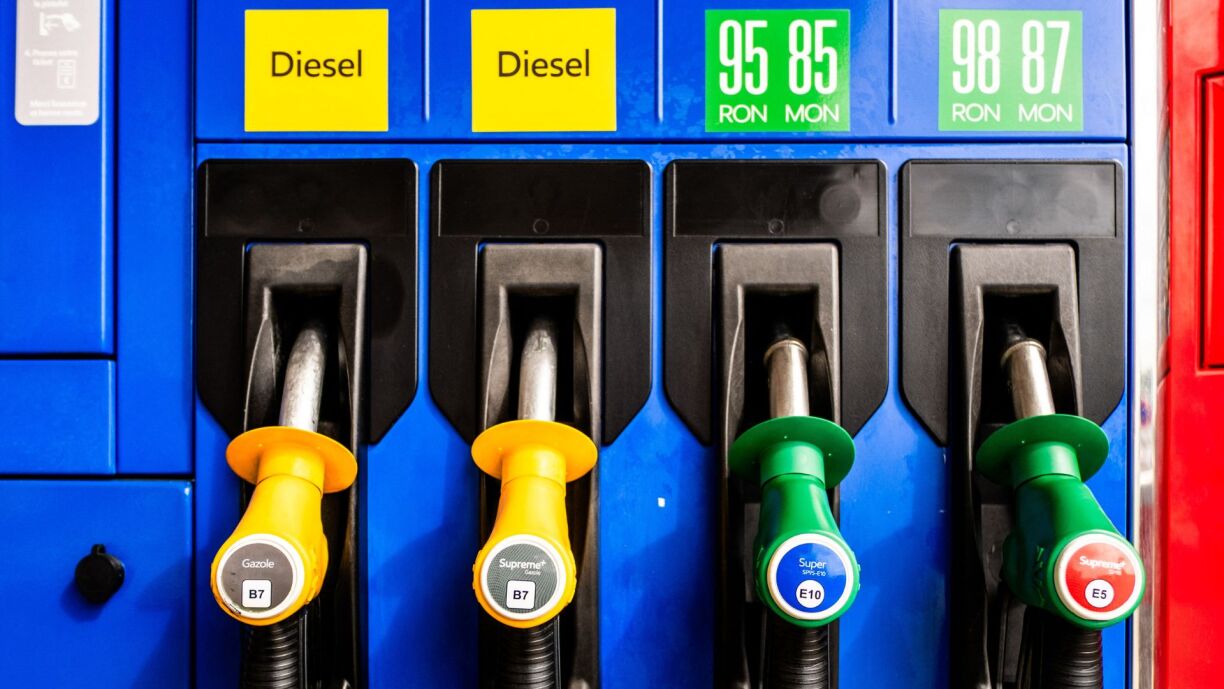
Luxembourg's CO2 tax will increase by 1-2 cents per litre of petrol or diesel following approval from the Chamber of Deputies, with a plan to raise it to €45 per tonne of CO2 by 2026.
To balance the tax increase, the tax credit will rise from €144 to €168, applicable to salaries up to €40,000, and decreasing for higher salaries up to €80,000.
Parliamentary motions for regular reassessment of the CO2 tax credit, adjustment for longer commutes, and aligning the tax credit scale with indexation were all rejected.
Bilateral support – Luxembourg is set to experience an increment in its CO2 tax, a move ratified by the Chamber of Deputies. This adjustment will lead to an additional charge of 1-2 cents per litre on petrol and diesel. The initiative is part of a broader environmental strategy, supported by both government and opposition parties, targeting a significant rise in the tax rate to €45 per tonne of CO2 by 2026.
Economic fairness – In response to the increased CO2 tax, the government has planned a corresponding increase in the tax credit, to cushion the impact on the public. Starting January 1, the tax credit will see a maximum increase from €144 to €168. This benefit will be fully available to individuals with annual salaries up to €40,000, gradually diminishing for those earning more, up to €80,000.
This progressive structure aims to ensure that the tax increase does not disproportionately affect lower-income groups, maintaining a balance between environmental responsibility and economic fairness.
Three alternatives proposed – The debate surrounding the CO2 tax increase led to the submission of several parliamentary motions, all of which were ultimately rejected. The Luxembourg Socialist Workers' Party (LSAP) proposed a regular reassessment of the CO2 tax credit and demanded transparency in the government's use of the respective revenue. The Alternative Democratic Reform Party (ADR) suggested an alternative approach, advocating for a flat rate per kilometre to benefit individuals with longer commutes, challenging the CO2 tax model. Lastly, the Pirate Party's motion aimed at synchronising the scale of the tax credit with the wage indexation process.
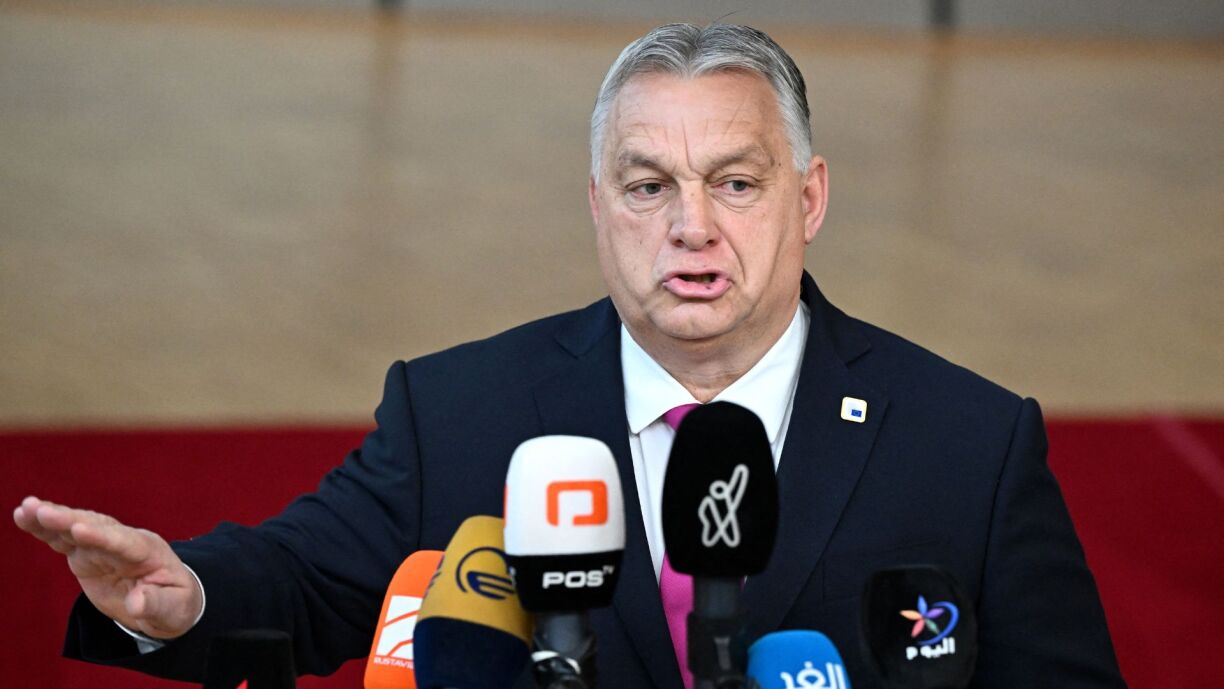
Hungarian Prime Minister Viktor Orban vetoed €50 billion in EU aid for Ukraine, despite the EU agreeing to open membership talks with Ukraine and Moldova.
The EU leaders plan to revisit the funding issue in a future meeting, while Orban faces criticism for linking the veto to a dispute over frozen EU funds.
Despite the setback, the EU agreed on new sanctions against Russia and emphasised the importance of supporting Ukraine for broader European security.
Hungarian strongman – Viktor Orban exercised his veto power to block a significant financial aid package for Ukraine, amounting to €50 billion. This move came as a surprise and disappointment to many, especially since the European Union had just reached a consensus on initiating membership talks with Ukraine and Moldova.
Orban's decision reflects a complex interplay of national interests and diplomatic tensions within the EU. His stance is particularly impactful because EU decisions in such matters require unanimous agreement or at least no opposition from member states. This veto not only stalls the financial support meant to assist Ukraine amidst its ongoing conflict with Russia, but also highlights the challenges in achieving consensus within the EU on critical foreign policy and aid decisions.
Leverage – The EU leaders, acknowledging the hurdle presented by Orban's veto, have decided to reconvene in a subsequent meeting to address the issue of financial support for Ukraine.
Meanwhile, Orban has faced criticism for allegedly linking his veto to a separate dispute involving the release of frozen EU funds to Hungary. Critics suggest that Orban is using Ukraine's desperate need for aid as leverage in his negotiations with the EU regarding these funds.
New sanctions – Despite the setback caused by Hungary's veto, the EU remains steadfast in its support for Ukraine and has agreed to impose a new set of sanctions against Russia, aiming to tighten economic pressure on Moscow. These sanctions include targeting Russia's diamond exports and reinforcing an oil price cap, demonstrating the EU's ongoing commitment to counter Russia's military aggression.

Israel continues its military offensive in Gaza, expecting the conflict with Hamas to last several months, despite US calls for restraint and caution in civilian areas.
The ongoing conflict, which started with a Hamas attack on Israel, has resulted in over 18,700 deaths in Gaza and 117 Israeli troop casualties, according to figures from both sides.
International efforts for a ceasefire have been unsuccessful, with increased humanitarian concerns in Gaza due to displacement, hunger, and communication blackouts.
No sign of restraint – Israel's military offensive against Hamas in the Gaza Strip is set to continue for several more months, as indicated by Israeli Defense Minister Yoav Gallant. This prolonged campaign comes despite the United States, a key Israeli ally and supporter, urging Israel to show more restraint, particularly in minimising civilian casualties.
Devastating figures – According to the Hamas-run health ministry in Gaza, over 18,700 people have been killed, the majority being women and children, painting a grim picture of the conflict's toll on civilians. On the Israeli side, the military has suffered 117 troop fatalities since the start of the ground offensive. This stark disparity in casualties highlights the severe impact of the conflict on the Gaza population and raises serious concerns about the proportionality and collateral damage of military operations in densely populated areas.
Hamas gaining support – Despite global calls for a ceasefire, the conflict continues with no resolution in sight. The United Nations General Assembly overwhelmingly supported a resolution for a ceasefire, which the US opposed, indicating the complex geopolitical dynamics at play.
The situation in Gaza has grown increasingly dire, with the United Nations estimating that 1.9 million out of Gaza's 2.4 million population have been displaced. Issues such as severe hunger, a breakdown in civil order, and a telecommunications blackout have exacerbated the humanitarian crisis. The conflict has also weakened the internationally recognised Palestinian Authority in the West Bank, where Hamas is gaining popular support, further complicating the prospects for peace and stability in the region.
Business & Tech – Electric car maker Tesla has initiated a recall of over two million vehicles in the United States due to a risk linked to its autopilot software, the US traffic safety regulator said Wednesday.
Science & Environment – The world for the first time on Wednesday approved a call to transition away from fossil fuels as UN negotiations in Dubai tackled the top culprit behind climate change, but at-risk countries said far more action was needed.https://today.rtl.lu/news/world/a/2066108.html
Entertainment – The Cannes Film Festival announced Thursday that Greta Gerwig, director of summer blockbuster "Barbie", will preside over the jury at its 77th edition in May.
Humanitarian support – As the war in Ukraine rages on, Luxembourg continues to support the Ukrainian population, with a variety of communities combining to send five ambulances to Kiev in December.
Activism – A once-thriving youth movement, Youth for Climate Luxembourg, which gained substantial momentum a few years ago, is no longer active, marking a shift in the landscape of climate activism in the Grand Duchy.https://today.rtl.lu/news/world/a/2066108.html
Mobility – After six years of transformative impact on Luxembourg's urban mobility, Luxtram is poised to further expand its tram network to connect key locations across the country and introduce a high-speed tram by 2025.

Your Weekly Recap is published every Friday at noon. Read earlier versions.





