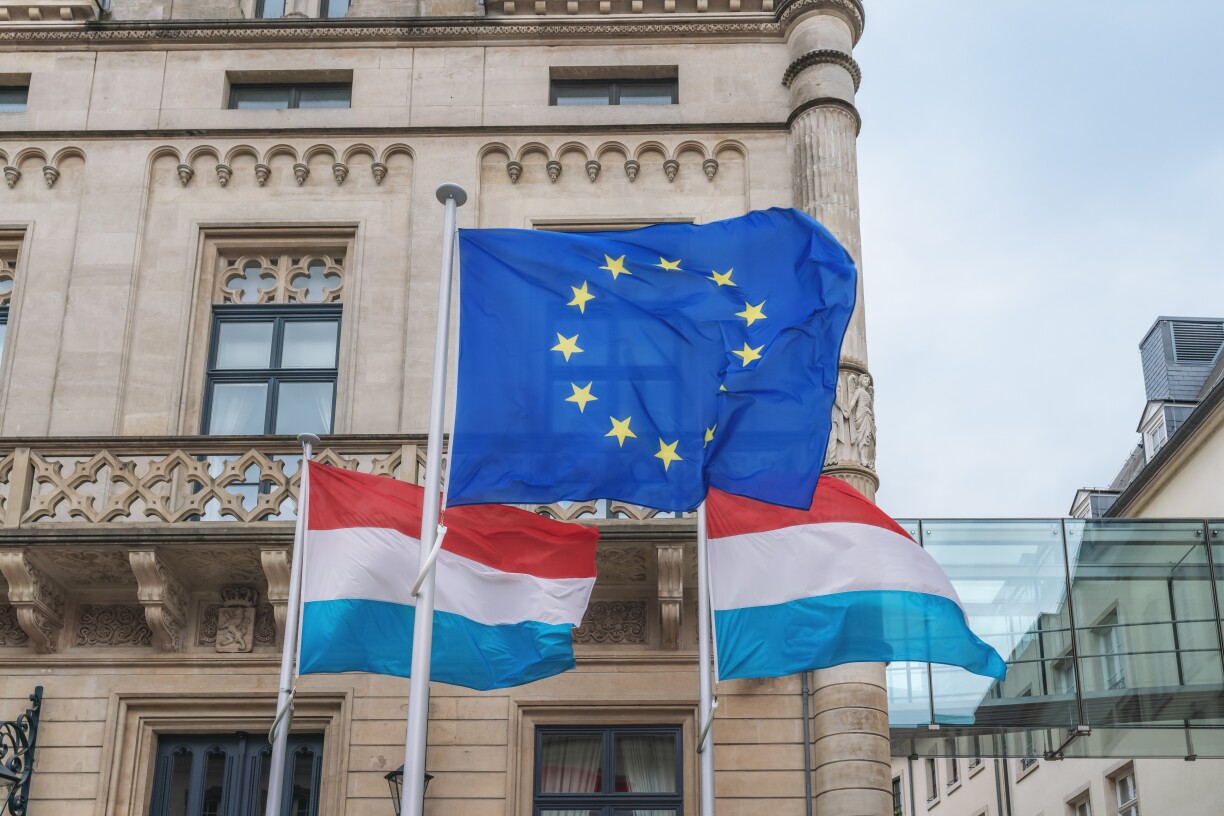
France and Germany called on the 27 EU member states on Tuesday to reach an agreement by June on strengthening the single market, a major initiative aimed at improving the bloc's competitiveness. The push comes despite reservations from Luxembourg and Ireland regarding proposed reforms to financial market supervision.
The European Commission proposed in December to expand the powers of the European Securities and Markets Authority (ESMA), which currently plays a limited coordination role, at the expense of national regulators. The move is intended to address fragmentation in financial oversight across the bloc.
Speaking during a meeting of European finance ministers in Brussels, the Director General of the Treasury, Bertrand Dumont, voiced strong support for the reform. "The existence of 27 different national supervisors is one of the most significant barriers to the integration of financial markets," he argued, backing the goal of securing an agreement "by June."
His position was echoed by German minister Jeanette Schwamberger, who stated that "strengthening supervisory convergence should be our priority."
For Brussels, establishing a single supervisory mechanism represents a step toward the creation of a Savings and Investment Union. This ambitious project seeks to boost the European economy by mobilising savings currently lying dormant in bank accounts and channelling them toward businesses in need of investment.
However, the reform must be approved by both member states and the European Parliament, a process complicated by significant reservations from several countries. Ireland and Luxembourg, in particular, have expressed concerns about the potential negative impact on their financial services sectors, which are key drivers of their economies.
Both countries remain firm in their opposition.
"Transforming ESMA into a centralised supervisor will not help to strengthen the single market," argued Finance Minister Gilles Roth. He called instead for efforts to "focus on improving supervision, rather than adding complexity, bureaucracy and costs."
His Irish counterpart, Simon Harris, echoed the sentiment, stating that "centralising supervision is not necessary." However, he expressed determination to work toward concluding the matter by the end of the year, noting that Ireland is set to hold the rotating EU presidency in the second half of the year.





