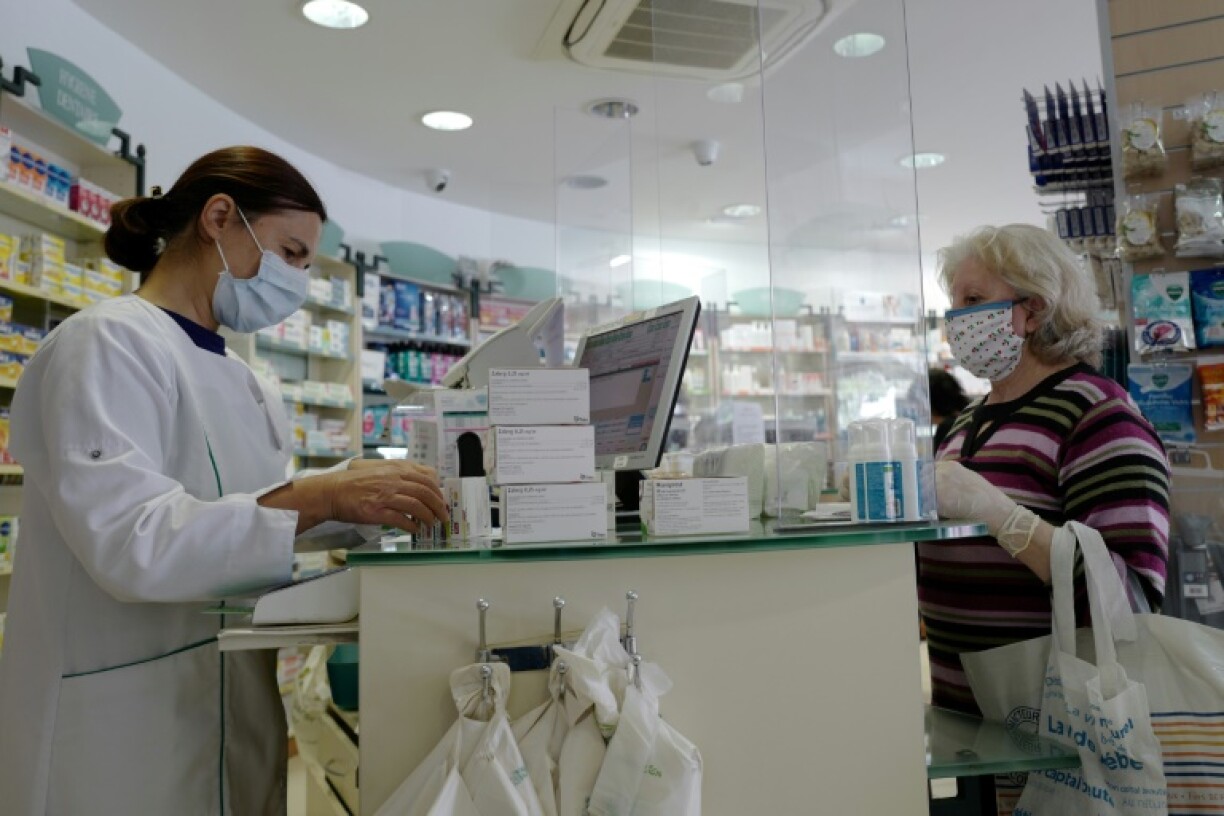
For the past few weeks, Luxembourg has been experiencing a major drug shortage. The LCGB already warned at the end of February that patients are "struggling to obtain commonly used drugs such as cough syrups." The head of the Association of Luxembourg Pharmacies, Alain de Bourcy, shares the trade union's concerns and recently declared on RTL Radio that he had never seen anything like this before.
-> Medicine shortages: 'I would never have thought that something like this could happen'
However, according to the LCGB, the government has so far not responded with the urgency that the situation requires. Instead of proposing concrete solutions, "our political decision-makers are hiding behind global supply issues", the trade union writes in a statement released on Tuesday morning.
The LCGB specifically accuses Minister of Health Paulette Lenert and Minister of Social Security Claude Haagen, who "seem to want to wait for the problem to solve itself". The LCGB, on its part, calls for "concrete measures to address the gravity of the situation."
The trade union points out that the shortages are primarily affecting everyday drugs, "such as cough syrup, antibiotics for children, or medicines for high blood pressure or diabetes."
To speed up the implementation of a national action plan, the LCGB proposes to first compile and publish a list of all medicines that are regularly out of stock, followed by a clearly defined national action plan.
Other actions proposed by the trade union include the establishment of a national drug reserve, individualised packaging of medicines, and exceptional reimbursement for medicines from a pharmacy in the Greater Region.
At the same time, the government "must commit itself at European level to the relocation of production sites to Europe" to avoid future supply chain disruptions.





