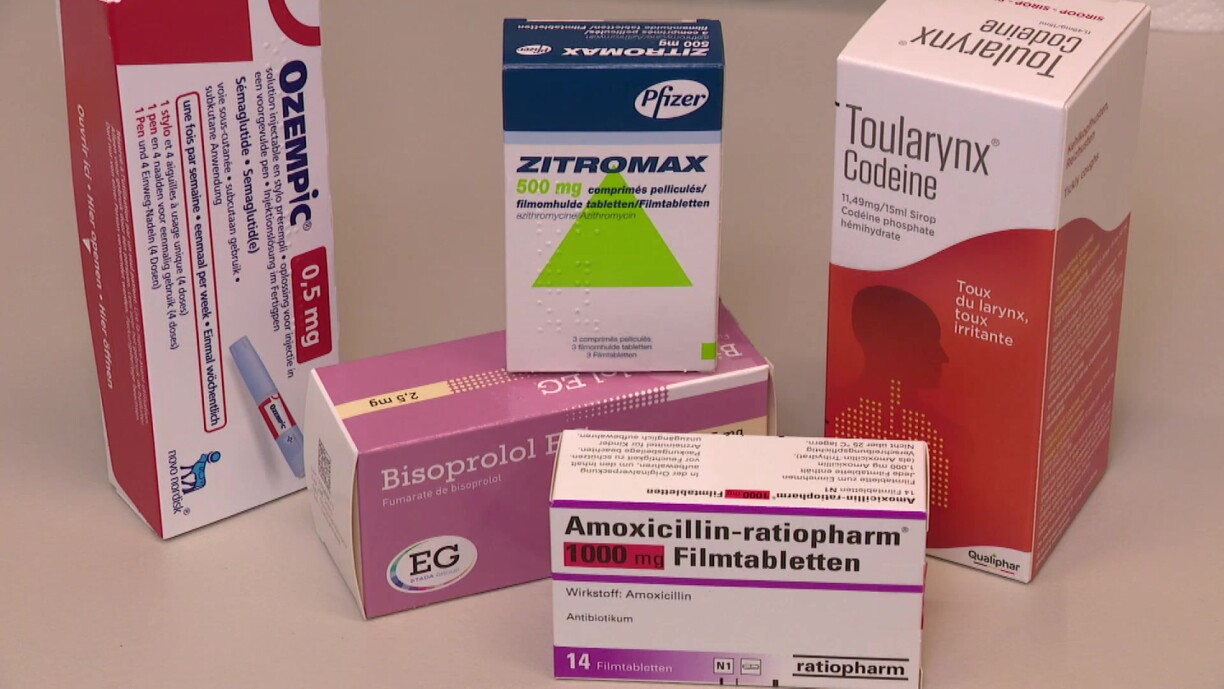
According to the Grand Duchy's pharmacies, the issue is caused not just by supply bottlenecks, but also by Luxembourg's reliance on other countries, particularly Belgium. The LCGB even mentions "a sort of embargo" that Belgium has allegedly imposed on medicine exports.
The main drugs affected by the shortages are cough syrup, antibiotics, and diabetic medications. These mostly come from Belgium, with exports to Luxembourg being subject to a specific quota. However, contrary to the LCGB's claims, this quota is currently being fulfilled, according to the National Health Directorate. While there is undeniably a shortage, the problem appears to be affecting Europe as a whole. When asked about the issue, pharmacist Alain de Bourcy likewise stated that he does not have an explanation. He believes it is "probably a logistical issue, which may be due to the EU not placing enough orders with foreign manufacturers."
While there are still enough generic remedies in stock, this does not apply to newer pharmaceuticals as the patents of the original drugs have not expired yet.
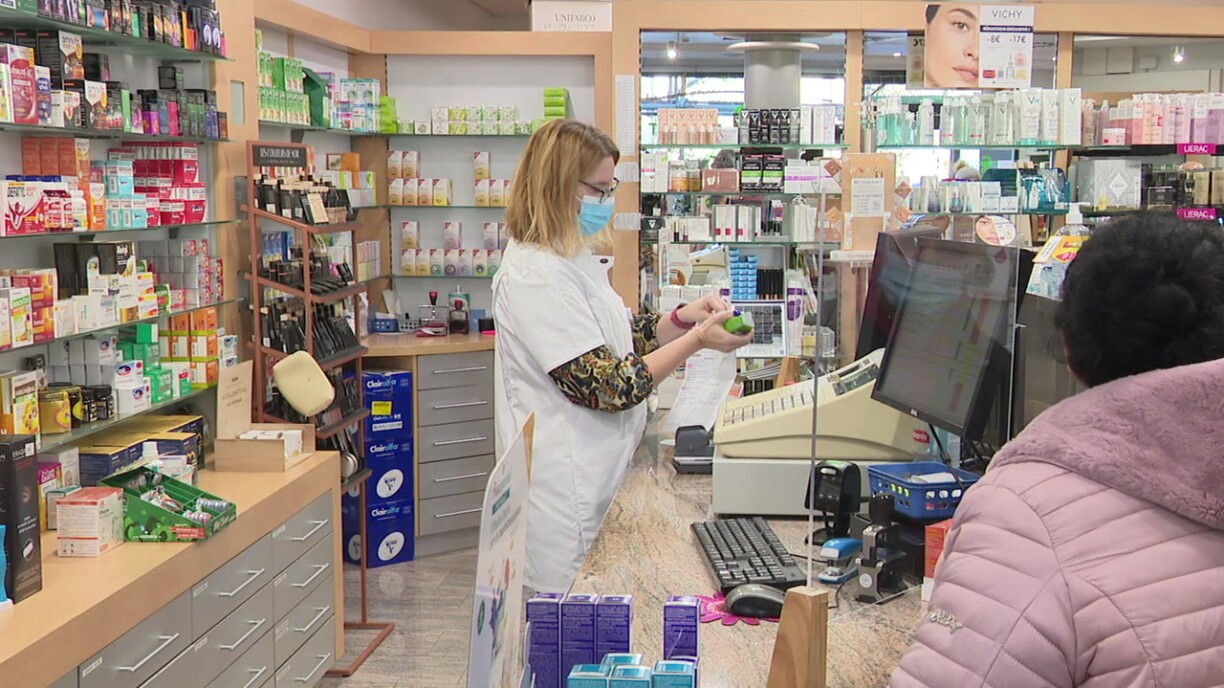
Luxembourg's GPs see the situation in a similar way. According to Dr Nico Haas, "we have not yet run out of alternatives." However, the GP expresses concern over the country's reliance on international markets. Dr Haas believes that increasing production within the EU could be a solution, even if it would be more expensive for consumers.
He finds it particularly aggravating that the shortages influence emergency situations at doctors' offices, prompting GPs to refer patients to hospitals.
There are numerous possible explanations for shortages, ranging from reliance on the Chinese market to demand exceeding supply, or even "trendy" applications of medications, such as a diabetes medication that people have recently begun using as a weight-loss supplement. As for expanding production within the EU, the National Health Directorate has stated that the European Parliament is working on a corresponding resolution.





