Covering an expansive 113 square kilometres, Wincrange holds the distinction of being the largest municipality in terms of area in the Grand Duchy. As the upcoming election on 11 June approaches, voters will have the choice between four political parties: the Alternative Democratic Reform Party (adr), the Christian Social People's Party (CSV), the Democratic Party (DP), and the Luxembourg Socialist Workers' Party (LSAP).
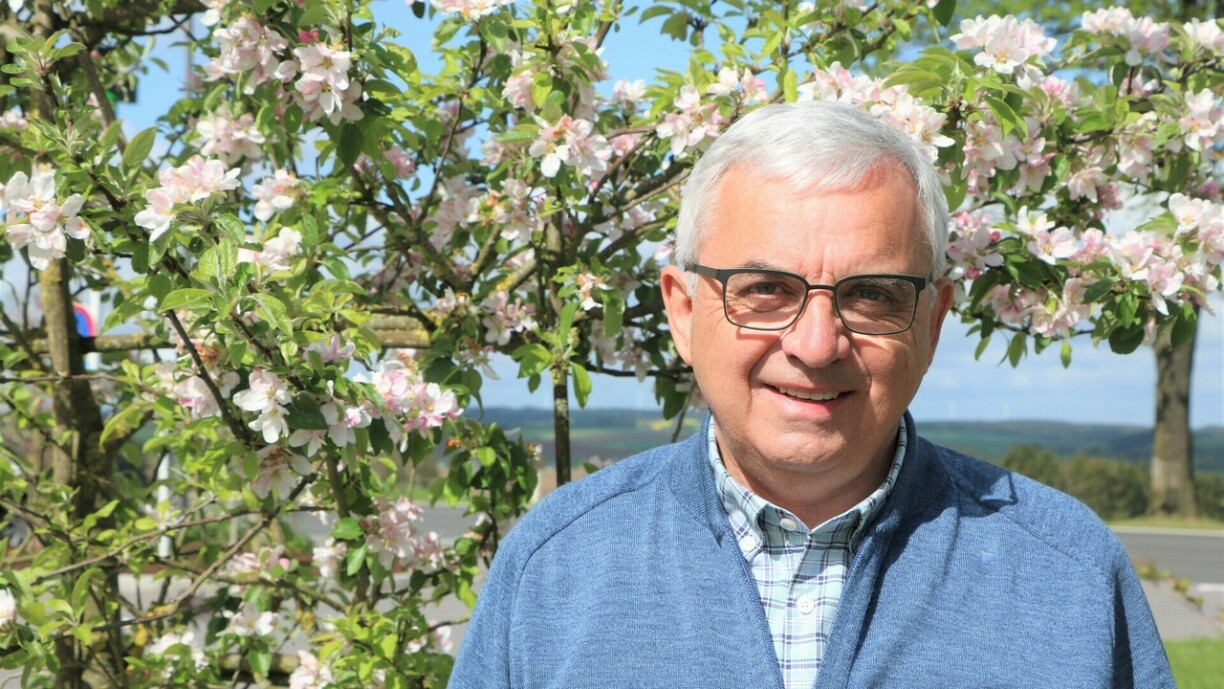
Notably, the CSV will compete without their current mayor, Marcel Thommes, who reflects on his 18-year tenure with a sense of fulfilment.
Initially, the 64-year-old Thommes had intended to serve for only two legislative terms after assuming mayoral duties in 2005, without prior membership in the municipal council. However, out of gratitude to his party, he decided to face the voters once again in 2017.
Throughout his tenure, several major projects were completed or initiated, including the establishment of a medical centre with a pharmacy and the construction of a new primary school. On the other hand, the long-awaited approval of the new general development plan (PAG) has been delayed, with the Ministry of Home Affairs' final opinion still pending after two years.
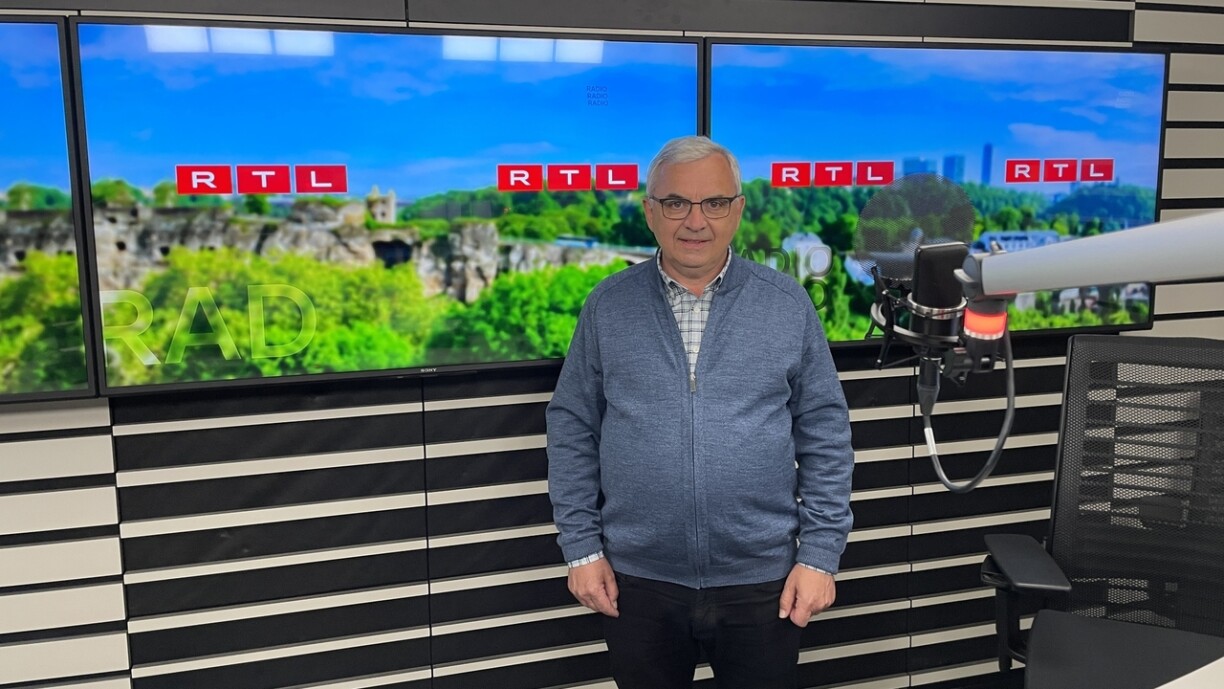
Reflecting on his experience, Thommes remarks on the difficulties of reconciling municipal duties with his personal life. "From the beginning, it was a challenge to find a balance between my work and the municipality. It was not easy, given the municipality's relatively large size. Fortunately, my workplace was not far from the town hall, I live only 15 minutes away. Nevertheless, it was a challenge, overall," the local politician admits.
When asked about the future, Thommes first takes a critical look at the past, pointing to the responsibility of the state in municipal finances.
Thommes says that "the municipal finance reform of a few years ago did not help us. Solidarity, which was always a given in the country, seems to have diminished. The redistribution failed to consider the vast distances and complex structures of rural communities. I hope to see a different approach."
To encourage community participation, Thommes emphasises the importance of involving people as much as possible, with political parties playing a vital role in this process.
Wincrange faces a unique situation with its 21 churches, all belonging to the municipality. Although church attendance has declined, the buildings continue to be used periodically. Determining their long-term usage remains a topic to be resolved.
Interestingly, street names were only introduced in Wincrange in 2019, influenced in part by pressure from the land registry. Citizen involvement and discussions played a significant role in this process, addressing concerns such as objections to living "op der Strooss" ("on the street") and the naming of "Juddegaass" ("Jews' Alley"). "But today, everyone is happy with the outcome," according to Thommes.





