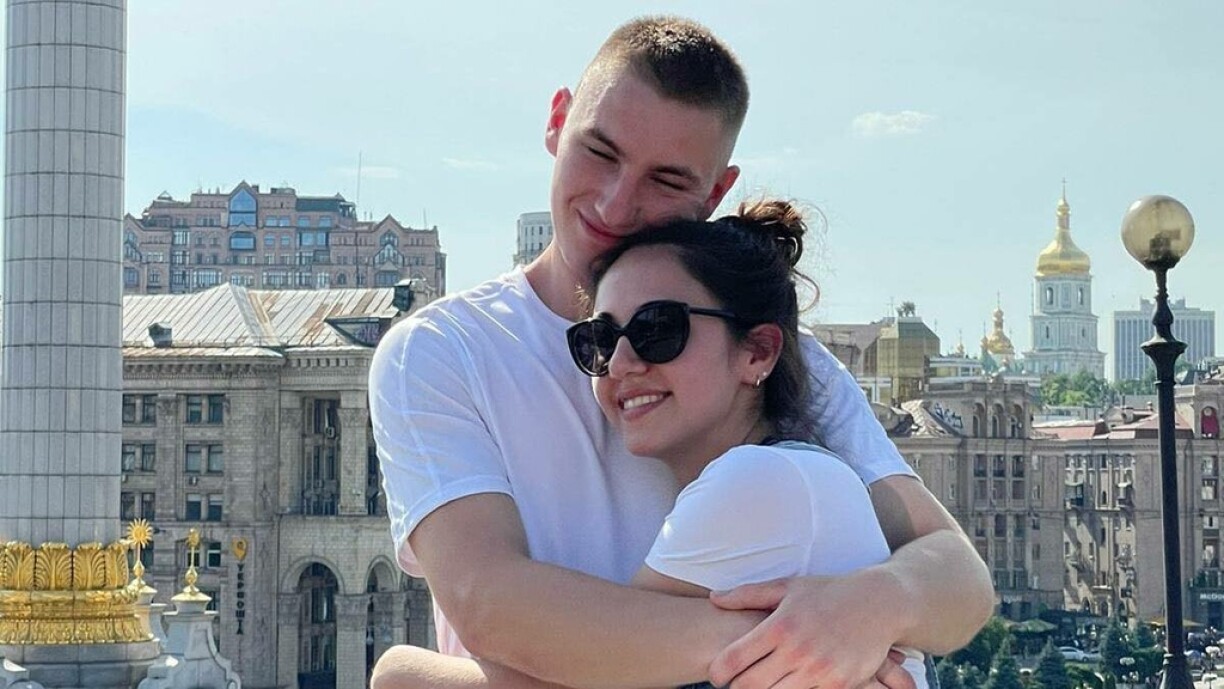
Valeria and I have known each other for just over two years now. We work together, but we also see each other outside of work on a regular basis.
I can still remember running into her in the office on 28 February 2022. I had just returned from a holiday, which I had used to do a little mobile phone and news detox, so I hadn't heard much about the start of the war.
Valeria was stressed and quite nervous. She was constantly on the phone and pacing back and forth in the building. In a brief moment, between two phone calls, she told me: "The situation in Ukraine has escalated. My grandma doesn't want to leave. I think I have to go there and bring her with me." Her defence mechanism and the adrenaline simply kept her going.
On 25 February 2022, Valeria appeared as a guest on the TV show Kloertext on RTL Télé, where she first shared her experience of the whole situation. She now remembers the show as if it were a film. "I know that I was sitting there and what I said because I watched the programme afterwards. But I can't remember the moment itself. It's like I'm talking about a show I just saw on TV."
She experienced the first days like being in a tunnel. "I just functioned. It was not the time to break down."
To this day, she recalls the exact moment she realised the gravity of the situation in her own country:
"Two friends of mine drove from Luxembourg to Romania to pick up my grandma and other family members there from the Moldovan border. I actually wanted to drive myself, but my mother talked me out of it because I was simply not physically and mentally capable of driving more than 2,000 kilometres.
The moment I got the news that my grandma and the others had made it across the border and were now on their way to Luxembourg, I broke down. I knew they were safe now. I collapsed and couldn't stop crying. It wasn't until they arrived, and I could hold them in my arms that I started to realise what was going on."
"At times, it feels like the whole situation never happened. At other times, it feels like the war just started yesterday."
The first months were exhausting for Valeria and her family: finding accommodation, completing paperwork, enrolling children in schools, and much more. Of course, there was also the financial effort and supporting the family emotionally, even though they were still struggling with it themselves.
She is relieved that her grandmother and the other friends and family members have now settled in here and are safe. However, her thoughts are always with those they had to leave behind in Ukraine. Among them was Valeria's brother, who started his military service one year before the war. He is stationed in Kyiv, and although he could have been sent to more dangerous places, you still worry, she says.
"We talk on the phone on a regular basis. Sometimes it's as if nothing is wrong because my brother doesn't talk much about the war. But then when the sirens sound in the background or I see his facial expression change when he's told something by his friends, I'm reminded again and my stomach tightens."
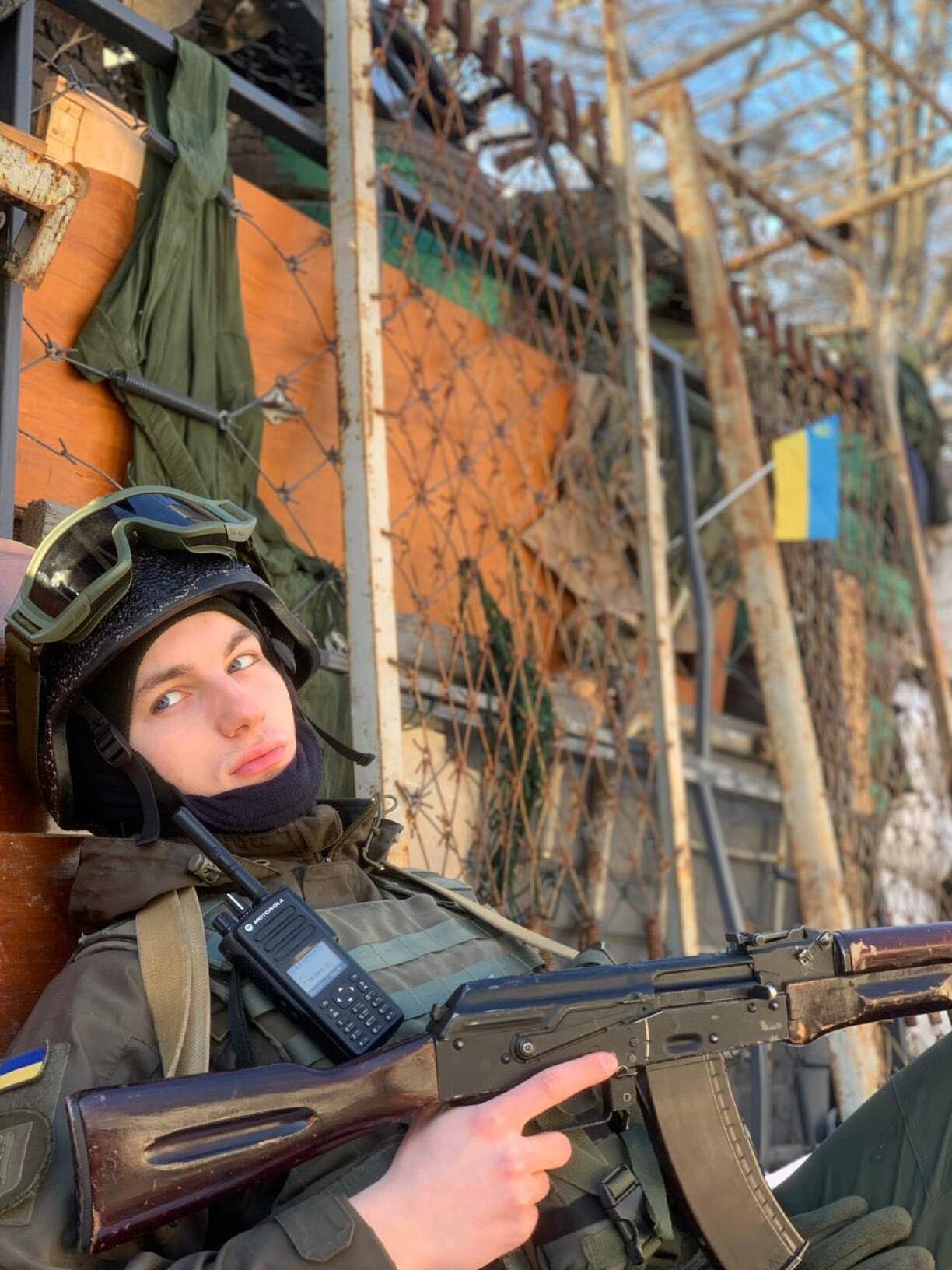
But the worst is when Valeria can't even reach her brother. "Then you always have the worst thoughts and images running through your head. The relief only comes when he finally calls back."
But even though one is constantly confronted with fear and worries, the war in her home country has somehow become a normality for her and her family. "It's astonishing what you can get used to. That goes for my family and me, as well as for those affected on the ground. Many people tell me that they just try to go on living, which is still possible in Odessa compared to other regions."
Valeria also knows Ukrainians who quickly fled to Luxembourg when the war started but have since returned to their homeland. And this despite the fact that the war in Ukraine is still going on.
For most, this will be difficult to comprehend. But Valeria thinks it is important not to judge.
"These people are adults and have reasons for making this decision. Of course, it's hard for us to understand, for me too. But I try as best as I can not to form an opinion about such a decision. I'm not in their situation, and I don't know how I would react in their place."
In addition to those who have already returned and those who want to go back, there are of course also a number of Ukrainian refugees who have now built a new life here and want to stay.
Valeria's grandmother has been in Luxembourg for almost a year now and could well imagine spending most of her time in the Grand Duchy in the future and only going back to Odessa from time to time.
"The people in Odessa are very unique and have a very sarcastic sense of humour. This city thrives on this atmosphere. No matter how the war ends, the mood will never be the same again. That's why my grandma leans towards staying here, even if it's a difficult decision for her," Valeria says.
She does not know when she will be able to visit her brother, family, and friends in Ukraine again and hold them in her arms. She also doesn't want to get her hopes up, because it's really hard to assess the situation. Until then, she is just happy about every sign of life she receives from her loved ones.
At the end of our conversation, Valeria exhales deeply: "Somehow it was even more difficult to talk about it this time than it was back then [on TV]. Maybe I'm only now really out of the tunnel and realise what happened last year."





