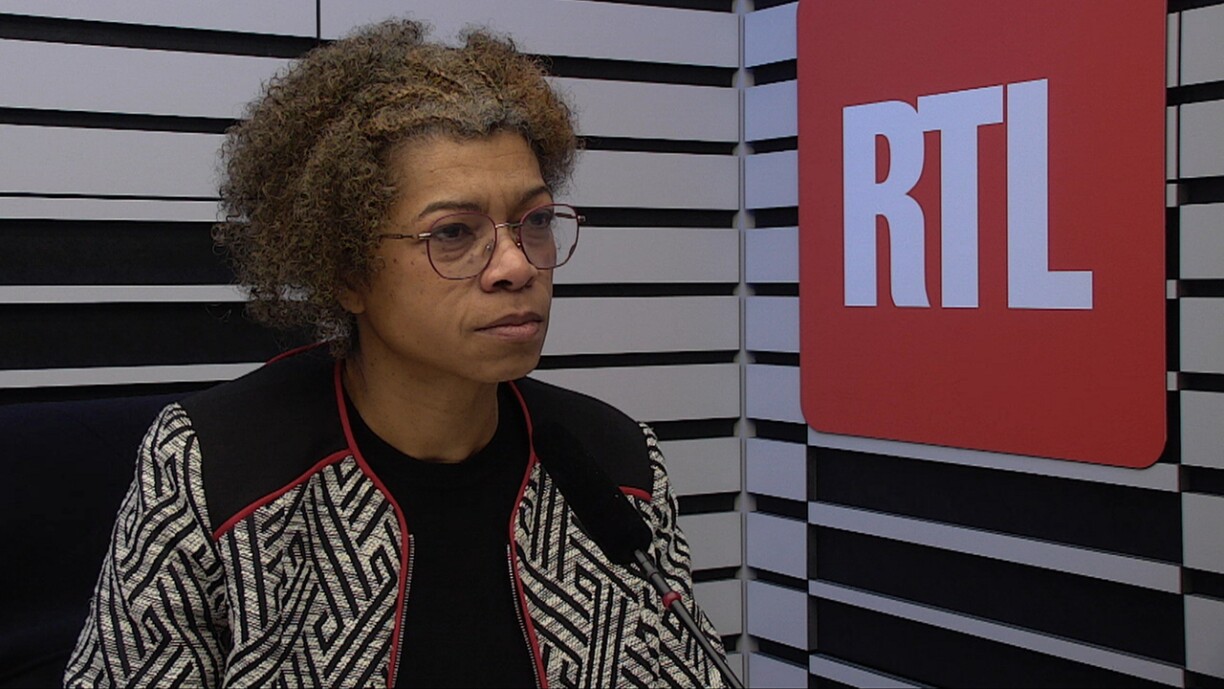
Race theory, colonialism, and slavery have over time led to a stigmatisation of dark skintones that still persists to this day, even here in Luxembourg, said Ganeto during the interview.
A survey on discrimination jointly carried out by the Centre for Intercultural and Social Study and Training (CEFIS) and the Luxembourg Institute of Socio-Economic Research (LISER) singled out three groups that are particularly affected in the Grand Duchy: Portuguese people, Muslims, and those with a dark skin colour.
38% of participants indicated that they had already experienced racist behaviour at work, 37% said the same about their search for a new accommodation, 35% about their job hunt, and 27% about their education.
According to Ganeto, only few people report incidents of discrimination. Experts estimate that close to two thirds are not reported out of fear and that people also do not file complaints after experiencing racism.
She explained that discrimination can manifest in hidden or indirect manner, which makes it extremely difficult to initiate legal steps. The 'burden of proof' often represents a problem in these cases, she further noted.
Nevertheless, Ganeto stressed that it is important for victims to call out discriminatory behaviour so that the issue can be discussed and awareness raised in society. Legal steps are not always needed to achieve this, nor is it necessary to condemn a perpetrator, it can be enough to confront them so that they understand that what they did had an impact on someone else, she stated.
The anonymity of the digital sphere tends to enable racism, argued Ganeto. According to the Centre for Equal Treatment (CET), calls for hate increased by 150% in 2020.
Ganeto expressed doubt over this increase, arguing that people are actually much more aware today and that the media are doing their job. Nevertheless, she still acknowledged that online attacks remain frequent.
Finkapé has for some time advocated for a 'National Action Plan Against Racism', a demand that has now been heard, explained Ganeto. Discussions with associations about the potential content of this plan are currently being held, according to the spokesperson.
What appears important to them at present is to raise awareness for people in direct contact with society, such as social workers, jurists, or municipal employees, and to make the teaching of colonial history and slavery mandatory in schools.
Finkapé also demands that foreign residents be awarded the right to vote in the national elections, arguing that it would be important for the Chamber of Deputies to reflect the country's plurality. Every person who lives and works in the Grand Duchy should have the chance to help influence, design, and decide over the country, concluded Ganeto.
Read also: Racism in Luxembourg - 'But where are you really from?'





