A growing number of minimum wage earners in Luxembourg are turning to social welfare offices for help. Their salaries haven't necessarily shrunk, but the rental market has made staying afloat in the Grand Duchy increasingly difficult.
The families caught in the middle are working full-time, doing everything right – and still running out of road. Some have teenagers quietly considering part-time jobs to ease the pressure at home.
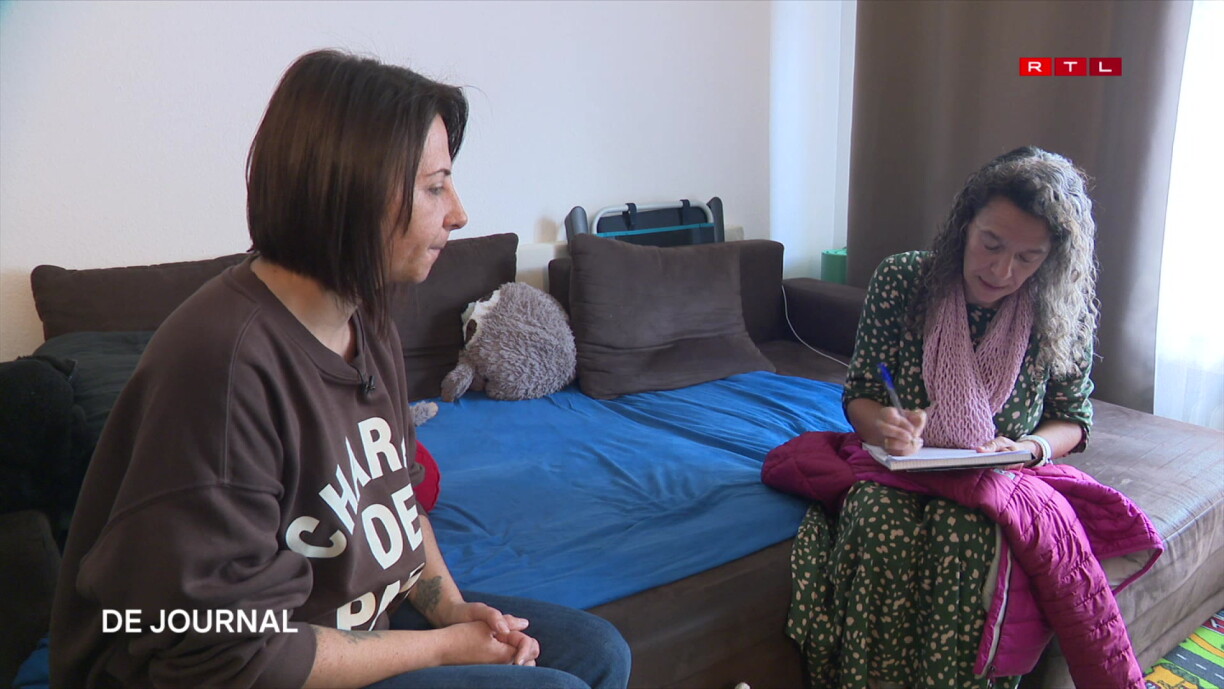
For Simona Sarbescu, the thought of her 16-year-old son dropping out of school or taking a job is one she won't entertain. "That is not his job", she says, tears running down her face.
She has worked full-time at a Kirchberg supermarket for four years. Before that, two years cleaning offices. The money has always been tight. But it worked. "I get by", she says – rather, she did, until her landlady reclaimed the apartment.
Since separating from her partner, Simona had been covering the rent in the Gare district alone, always on time. It made no difference. Her landlady invoked personal use, and Simona must leave.
Finding a new home has proven near-impossible. Agencies hang up when she says she's a single mother. Private landlords pick the higher earner, or better yet, a couple who can split the cost. She has since considered taking a second job just to be seen as a better candidate. "No landlord even gives me a chance", she says.
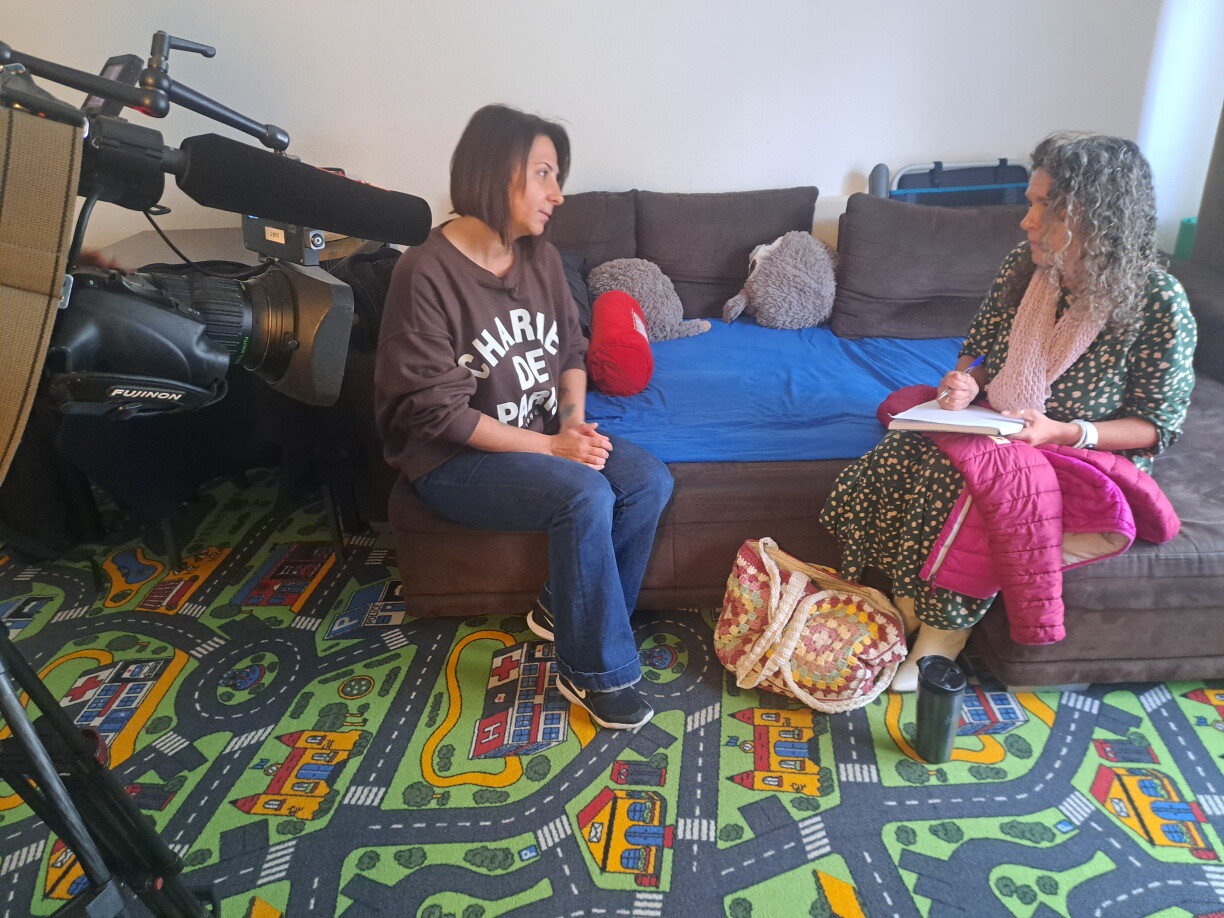
She is not the only one. Statistics from Luxembourg City's social welfare office confirm that single parents are bearing the brunt, according to Sofia André, a social coordinator there. Landlords and agencies routinely favour two-income households – a safeguard against one tenant losing work. Children, André knows from experience, are frequently unwelcome.
The rental market has become a gauntlet of criteria that single parents are structurally unable to clear.
Silvia Fernandes has been a social worker for fourteen years. She supports Simona and has watched the pressure build steadily. "For some families, rent can amount to half their salary. And when something small goes wrong – a washing machine breaking down – they're suddenly in real difficulty, because that kind of expense is never budgeted for". The numbers tell the rest of the story. The unskilled minimum wage stands at €2,703.74 gross – around €2,500 net. A one-bedroom apartment cost between €1,200 and €1,500 in 2020. Simona pays €1,400 today. That same €1,400 now more commonly buys a furnished room in a shared flat. With a sixteen-year-old son, that is not an option.
For José Cordero Garcia and his daughter Gabrieli, it already is. They sleep in a bunk bed – she on top, he below. She does her homework on something resembling a stool. The kitchen and bathroom are shared. She sleeps badly, the fourteen-year-old says. José has been in Luxembourg for ten years, working steadily in hospitality and construction, always on the minimum wage. Everything was manageable, he says, until he became a single parent. An acquaintance found them the furnished room as a stopgap. A year later, they are still there. He has contacted the social welfare office for the first time.
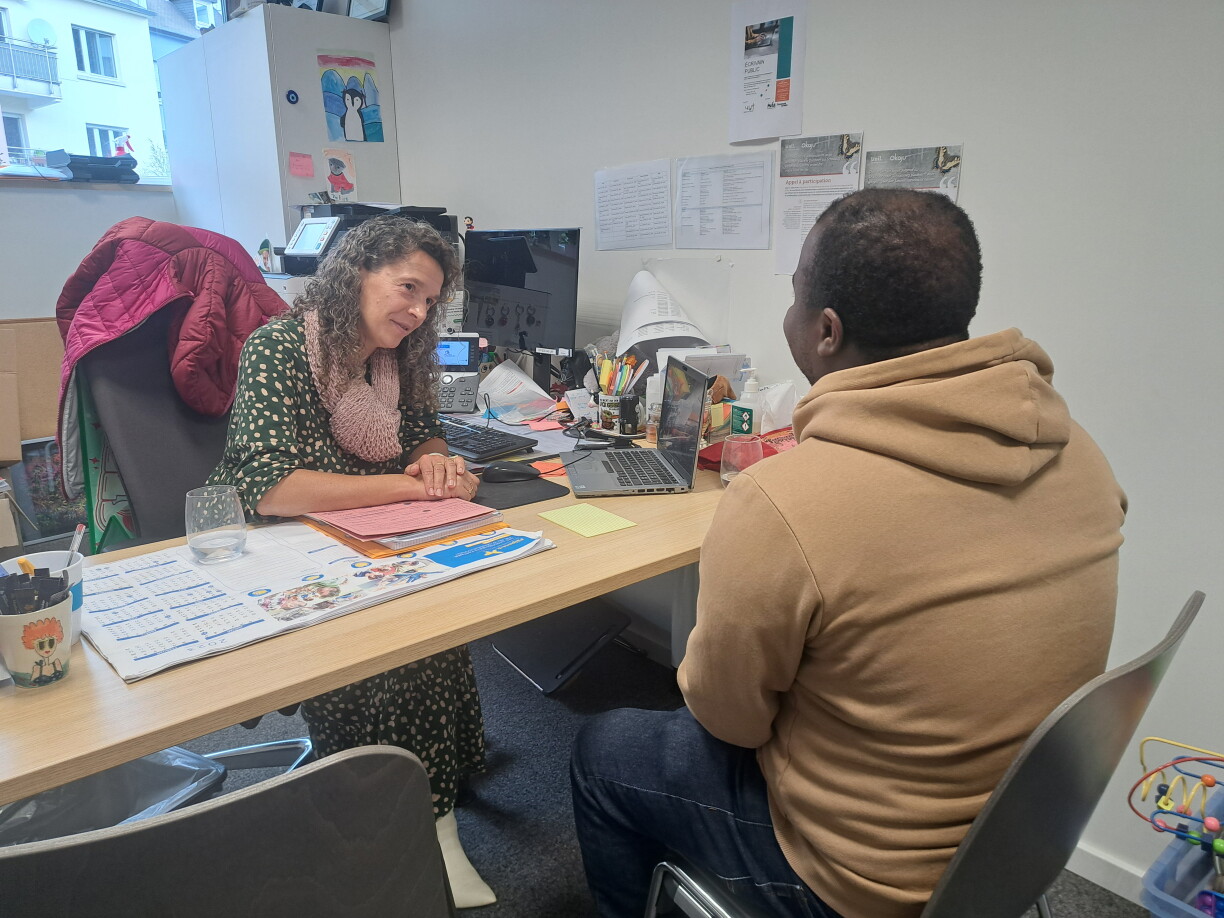
The office registers people. It puts them on waiting lists for social housing. However, these lists move slowly, because more often than not, the housing doesn't exist yet. "Some people can remain on waiting lists for years", says Fernandes. "They come with great expectations", adds André, "and we have to tell them we have no real solutions. Our hands are tied".
Mamadou Diallo and his family have also been on that list for four years. He, his partner, and their children – aged two and seven, with a third due soon – are still living in a furnished room. Things are better than they were, he says, reaching for something positive. There is a small kitchen now and the family has its own toilet.
Municipal welfare offices can help navigate financial assistance and signpost other support, bur Jean-Michel Campanella, vice-president of Anasig, the social worker's association, is unequivocal: the core problem is housing. On the private market, it's the payslip that counts in most cases – additional benefits are often disregarded, and those with least are funneled toward furnished rooms.
"Certain people are profiting from other's hardship", Campanella says. Anasig is pushing for binding regulations, particularly on hygiene standards. Many who are caught in these situations don't dare to report them, fearing to lose the roof over their heads. Municipalities, Campanella argues, must be held to greater account, above all on emergency accommodation.
For these three families, there is no immediate fix. When asked if raising the minimum wage would help, Mamadou Diallo says: "I don't feel that I earn too little." The others utter a similar sentiment, considering their salary reasonable. It's only when it comes to housing that things don't add up anymore. The problem is that no matter what they earn, the market never gives them a chance – not because they couldn't afford it if they saved harder, but because a deregulated, fiercely competitive rental market filters them out before they can even try.
His wife has talked about leaving Luxembourg. Mamadou isn't ready. He has work here, and he wants a better life for his children – "not like mine", he says. The other families understand exactly what he means. They absorb the financial strain, the cramped rooms, the years on waiting lists, so that their children can go to school in Luxembourg and have the future they couldn't.





