The war in Iran is not an experiment in building democracy, US Secretary of Defense Pete Hegseth said, making clear that, for the Trump administration, regime change is not a priority. A position that, in many ways, reflects the stance of large parts of the Iranian population itself.
Following the death of Supreme Leader Ayatollah Ali Khamenei, the current regime has not conceded defeat. At the same time, preparations for a possible political transition appear to be under way inside Iran.
Yet one thing quickly becomes evident: the opposition is far from united. While many agree that the Iranian people should decide their future through a referendum, there is deep disagreement over who should lead any transitional phase.
Ali Fatemi supports Maryam Rajavi, who lives in exile in Paris and heads the political wing of the People's Mojahedin Organisation of Iran and the National Council of Resistance of Iran. The movement played a role in the overthrow of the Shah in 1979. Fatemi says Rajavi would serve as a six-month transitional leader before handing power to the Iranian people.
Others see a different path. For Elmira Najafi, it is the Shah's son, Reza Pahlavi, who should assume an interim role. She argues that religion must be separated from politics and says many Iranians continue to call out Pahlavi's name because they believe he could help guide the country towards democracy. In her view, his openness and distance from religious rule make him a suitable figure for transition.
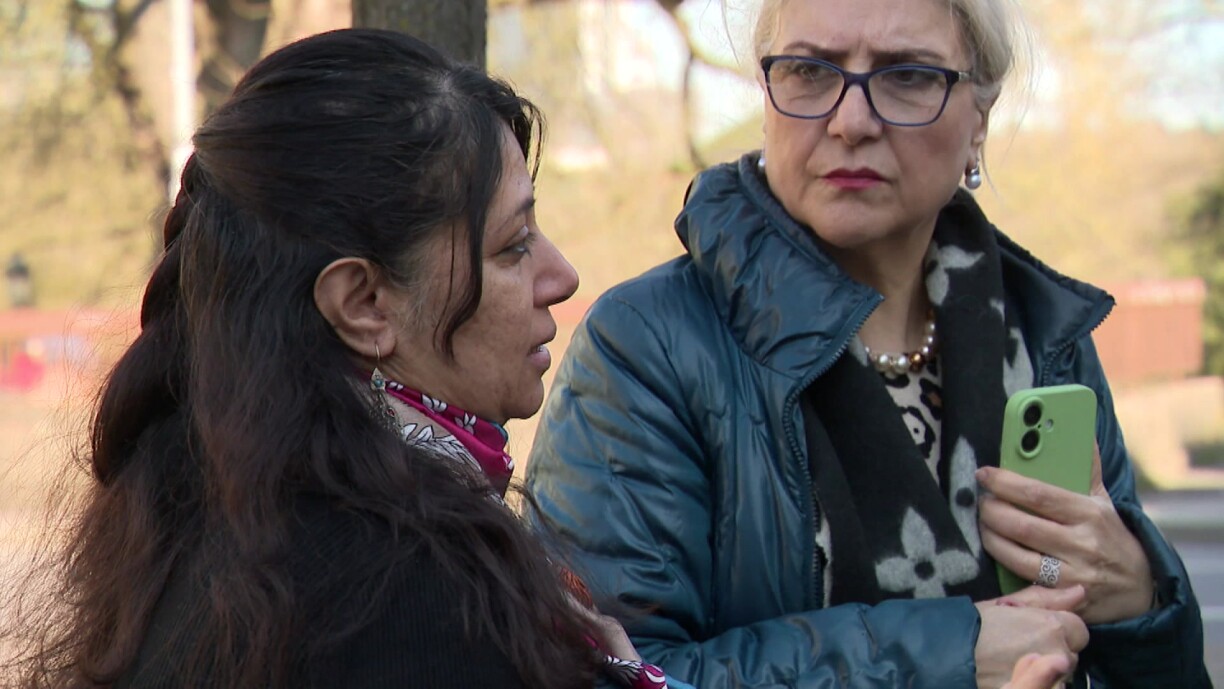
Together with family and friends, Najafi describes this as an intensely emotional time. Many in the diaspora say they wish they could be in Iran at this historic moment. While supporters gathered in Brussels over the weekend, the key question remains: what happens next inside the country? Najafi hopes parts of the army and police will ultimately support the people.
Fatemi, meanwhile, insists that the Mojahedin are ready to remove the clerical leadership from power. He argues that so-called rebel units inside Iran support the National Council of Resistance and will be the ones to bring about change. According to him, war is not the solution, rather, internal forces will overturn the regime.
The Mojahedin claim to enjoy popular backing and say they do not intend to let the revolution be taken from them again. However, Nilgoon Soroush strongly rejects that position. She calls on European countries and the US to support the Iranian people on their path towards democracy and backs Reza Pahlavi as the strongest current opposition figure. For her, a referendum must be the first step.
Observers agree that any transition from the current regime towards democracy will be complex and fragile. Many stress that it must remain peaceful and that qualified individuals are prepared to take responsibility in shaping Iran's future.





