"Wir schaffen das" – "We can manage this" – said former German chancellor Angela Merkel during the large wave of refugees in 2015.
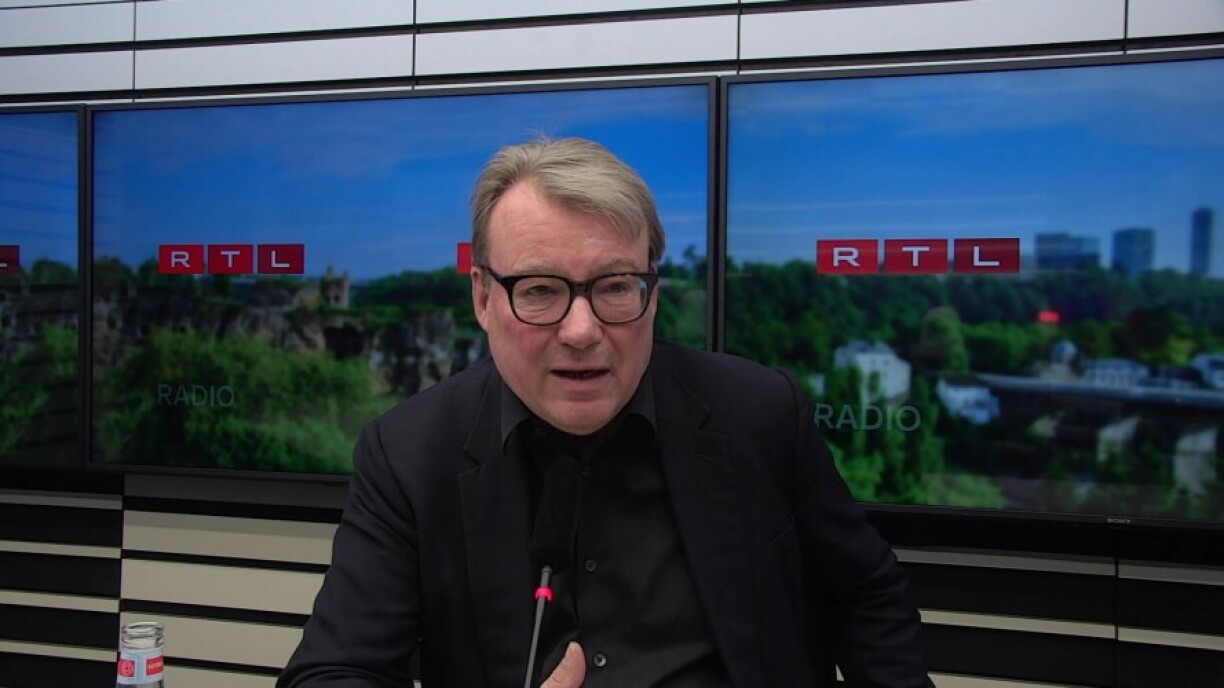
From a labour market perspective, the statement proves true, according to migration researcher Herbert Brücker, director of the Institute for Integration and Migration Research and professor at Humboldt University of Berlin, who spoke with RTL Radio on Tuesday morning.
Today, around 67% of those taken in by Germany are in employment, compared with an overall average of 70%, with a further 5% self-employed, a figure Brücker said far exceeded his expectations of around 50% back in 2015.
However, women remain significantly less integrated into the labour market, with employment rates of just 40%, according to Brücker. He said that research shows that this is largely linked to childcare responsibilities, as refugee women tend to have more children on average and face limited access to childcare.
Brücker explained that men contribute relatively little to household duties, much like German men, leaving women at a disadvantage. He also pointed to lower levels of education among some groups, particularly women from Afghanistan, as well as higher levels of trauma, which can affect their health and employability.
According to Brücker, one of the main drivers of successful integration has been the shortening of asylum procedures, alongside early access to language and integration courses and investment in training and job placement.
Employment rates tend to rise significantly after three to four years, he said. He stressed that time is crucial: the longer someone remains out of work, the harder it becomes to enter the labour market, a trend also observed among unemployed German nationals.
Brücker identified the placement of refugees in economically weaker regions as a key policy error. While housing may be cheaper in such areas, job opportunities are more limited, reducing employment rates by five to six percentage points, he said.
He also noted a mixed picture when it comes to Germany's "welcome culture": while some regions are open and supportive, others are marked by hostility, including far-right demonstrations.
Regarding the question of whether integration is more successful in cities than in rural areas, Brücker explained that it depends on the region. In parts of eastern Germany, the divide is clear, but similar patterns can also be found in the west, where resistance to refugees remains strong in some areas, he said.
Brücker noted that in areas with stronger negative sentiment, employment rates and wages tend to be lower, which is a pattern that can be measured through voting behaviour, protest activity, and social media discourse.
Asked about the potential lessons for Luxembourg, Brücker suggested that the Grand Duchy could improve integration outcomes by accelerating asylum procedures, strengthening language training, and simplifying access to the labour market.
He argued that initial bans on employment are unnecessary and should be abolished. In Germany, refugees also tend to concentrate in specific sectors: women often work in essential roles in healthcare and social services, while men are more present in transport, logistics, and skilled trades.
These jobs are often lower paid but essential, he said, although highly qualified roles are also represented, with Syrian nationals forming the largest group of foreign doctors in Germany.
Addressing the matter of Ukrainian refugees, Brücker pointed to differences. Studies conducted since 2022 show that Ukrainian refugees generally have higher formal education levels than the German population, according to Brücker.
However, many are women with caregiving responsibilities, which initially slows their integration into the labour market. Around half of those who arrived in 2022 are now in employment, although the overall rate stands at roughly 38% due to later arrivals. Gender roles and access to childcare remain key barriers.
At the same time, their situation highlights the impact of policy choices, he said, as Ukrainians benefit from immediate access to the labour market, without going through lengthy asylum procedures, which has helped speed up their integration compared with non-European refugees.
Asked for concrete recommendations for Luxembourg, Brücker reiterated three key priorities: significantly shorter asylum procedures, legal certainty, and the removal of initial employment bans. He also emphasised the need for sustained investment in integration, particularly language training.





