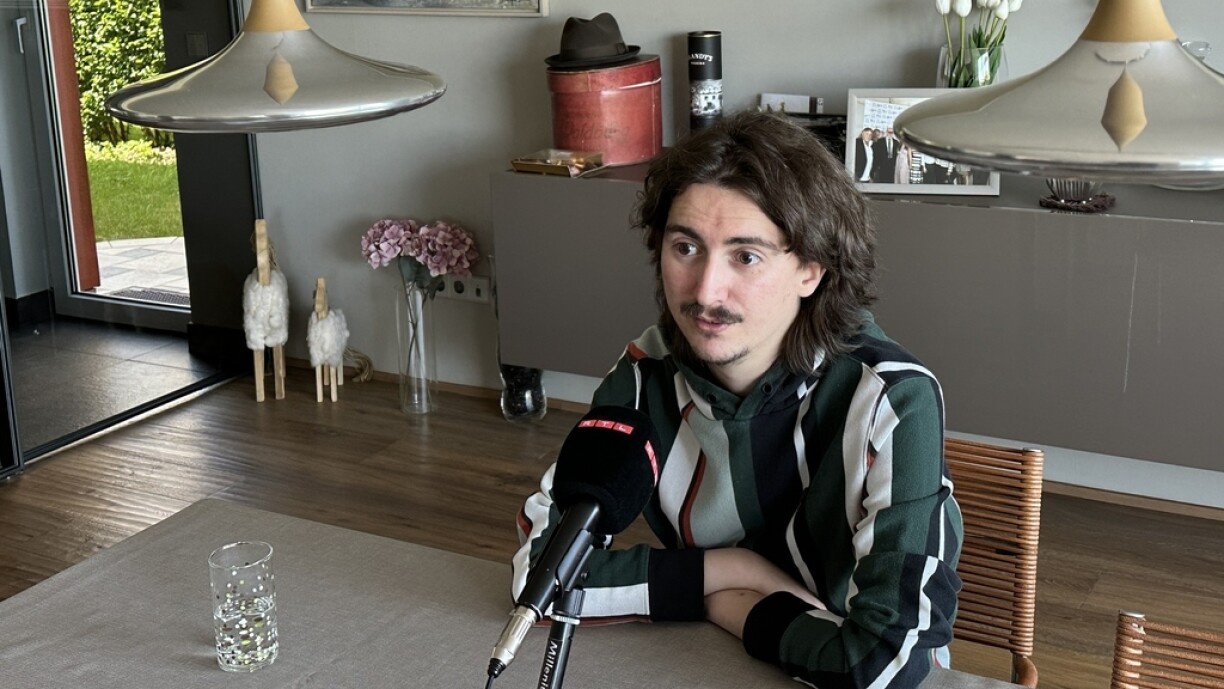
Julien is now 28 years old and has been working in the communications department of the Schifflange municipality, where he is responsible for the municipality's social media, website management and promotional designs. He's also really into art, and has been the guitarist for local psychedelic rock outfit Choppy Bumpy Peaches for 9 years.
Julien was born with a rare disease, a muscle weakness called laminopathy. The disease causes te body to build muscle less quickly, which subsequently affects the heart. As a teenager, he had frequent heart rhythm problems. But the disease was only confirmed to Julien when he was 20. The diagnosis even baffled Paris hospital doctors, who told Julien they had never seen a form of laminopathy like his.
He was given a preventive pacemaker with a defibrillator for the worst case scenario. But that did not stop him: After completing his school exams in 2015, he travelled through Thailand, Cambodia and Laos for two months. Everything was going well. Until, upon his return, he fell ill and had to be hospitalised.
"While gaming I just collapsed. The ambulance personnel came in protective gear because they thought I had brought some sort of disease back home," Julien recalls.
In hospital, it became clear that the heart had become so weak that his organs - especially liver and kidneys - suffered from poor blood supply. "I could no longer drink and constantly threw up food. My body was also retaining water."
Over the course of the next 8 months, Julien kept returning to the hospital in two-week periods, where he was "connected to machines and pumped with medicines." After a fortnight at home, he would return to hospital again.
Doctors in France believed he needed a heart-lung transplant, and sent him to specialists in Brussels.
Upon his arrival in Brussels, Julien was so weak he was immediately hooked up to machines again. His condition had worsened. Doctors moved his name to the top of the organ transplant list. "Of course I panicked. It's not easy to go to a hospital for some tests and then to hear: No, you're staying here," says Julien.
Although he was allowed to return home for two weeks, Julien's condition kept worsening.
After one and a half months in hospital, on 21 December 2016, doctors entered Julien's room at 3 in the morning. The message: We have a heart for you. But we must operate within the next 4-5 hours. "I started calling everybody, my friends, my parents. They were all still sleeping, but I just wanted to tell someone the good news."
By this time Julien's weight had dropped to 34 kilograms.
The operation lasted 12 hours. Julien's blood flow was artificially managed by machines as he was without a functioning heart.
As with all organ transplants, it is a gamble whether the body will accept the new organ. But now, after five years, it is safer to say the body will not reject the heart. The heart is still checked regularly. Julien explains that tiny parts of the heart are extracted through the body's main artery, in the leg, to be checked in the lab. Blood samples are not enough for this type of test.
The operation was successful, but Julien was in a lot of pain from all the stitches. After months, Julien finally managed to drink water again. "I had tears of joy in my eyes, I could drink as much water as I wanted."
Julien currently still has to take immunosuppressants - perhaps for the rest of his life - to prevent his own immune system from attacking the transplanted heart. For example, Julien's colds last much longer than for other people, he says.

People with organ transplants were categorised as high risk patients during the Covid pandemic. At home the situation changed as well. Julien's father, who is a baker, lived elsewhere for the first few months of the pandemic to protect his son and keep his business open. Julien didn't see his friends or girlfriend in a long time either.
As being a high-risk patient meant he could not attend his physical art classes, Julien was forced to quit his studies.
Julien did catch Covid in the end, and was positive for 17 days. As one week was pretty severe, he decided not to go to the hospital for his check-up. His doctors were not amused, but he just wanted to rest.
After all that he has been through, Julien is grateful to have been given a second chance at life. But he still deals with periods of depression or pressure:
"There is weight on one's shoulders. You received a second chance because somebody died to give this to you. There is a pressure to achieve something great in life."
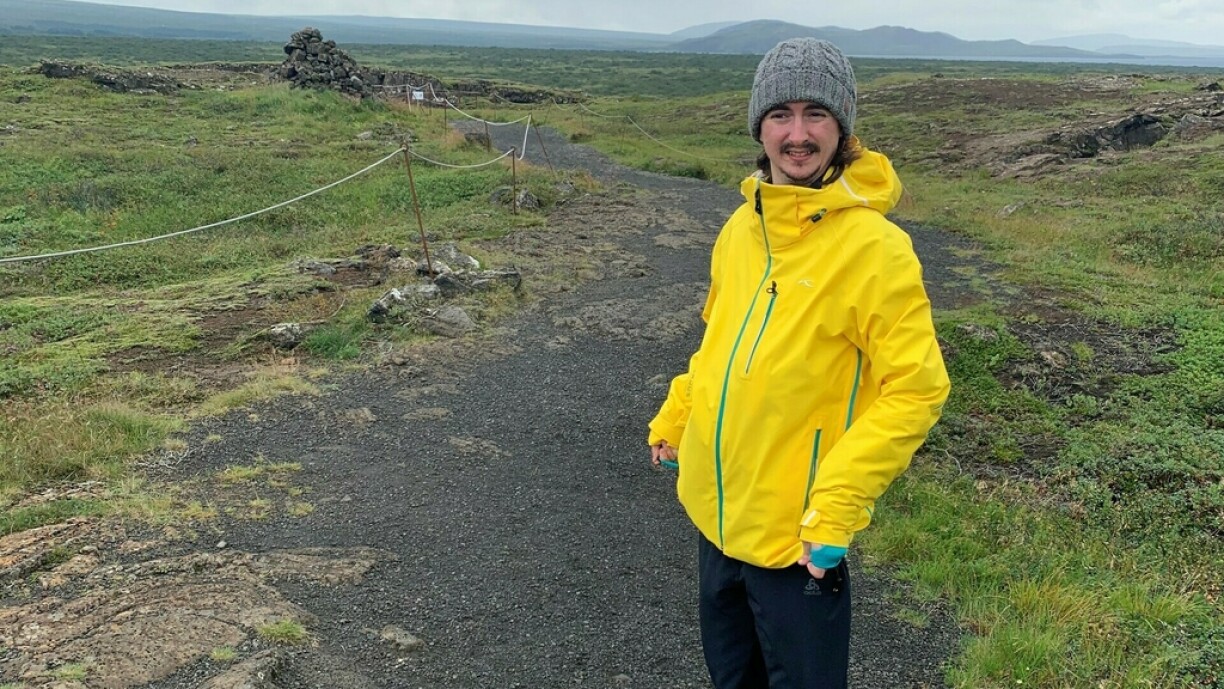
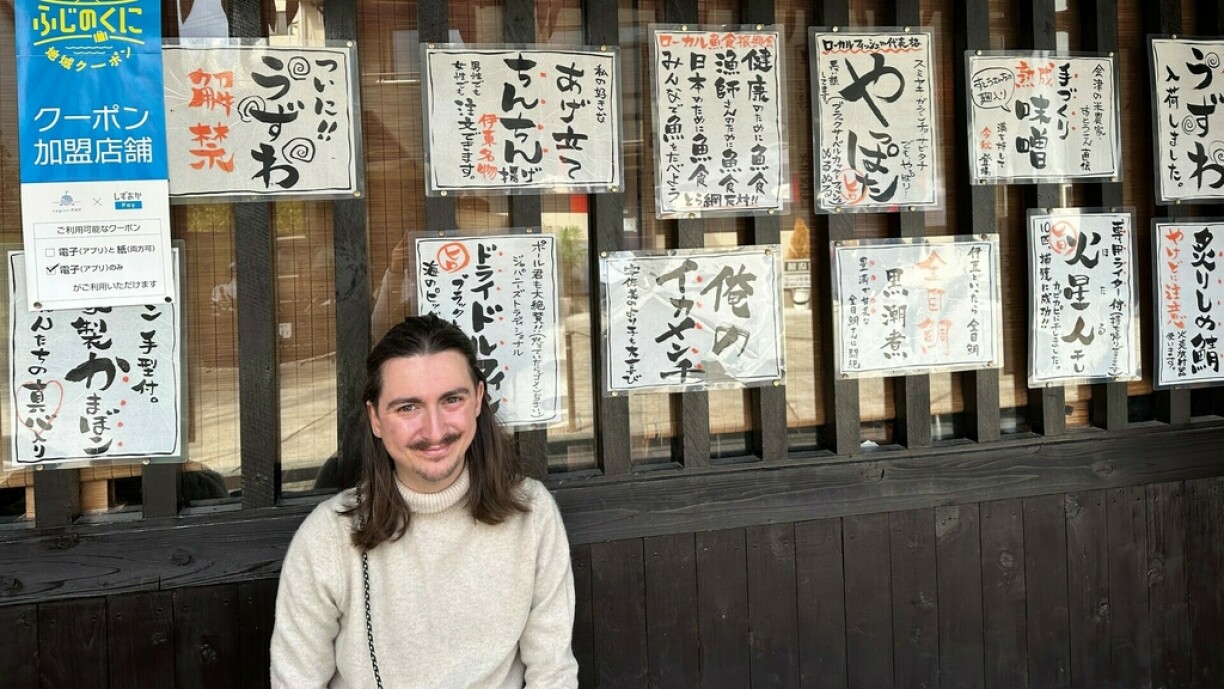
Nowadays, six and a half years after the operation, Julien doesn't actively think about the fact he lives with a transplanted heart, and has gotten used to the fact that he has to take regular medication. He is travelling actively and has recently been to Iceland and Japan.
"I got a lot of support from people. My parents, my friends. At the hospital there was someone to visit me every day."