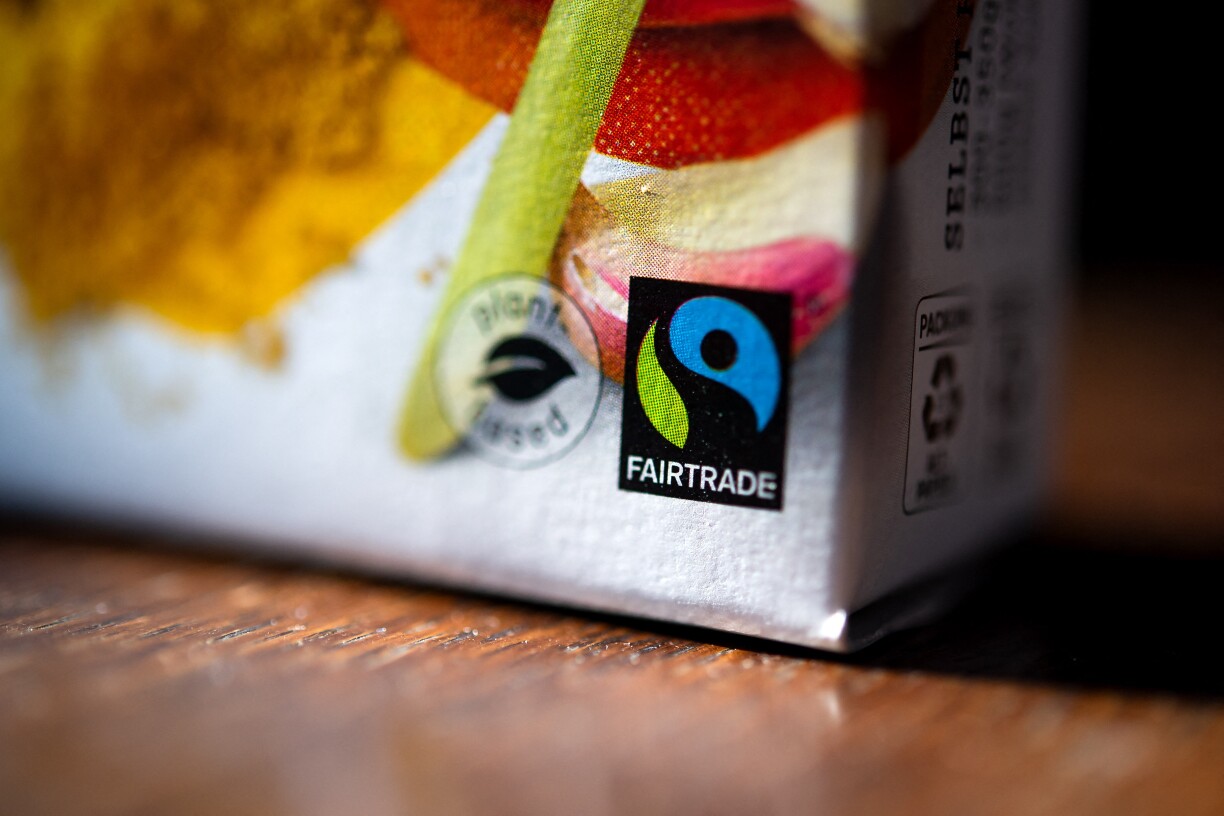
Despite persistent price increases and pressure on purchasing power, the willingness to consume ethically remains high in Luxembourg, according to a recent survey conducted by Fairtrade Luxembourg in collaboration with the polling institute Ilres.
Chocolate, coffee, bananas – almost everyone in Luxembourg recognises these fair trade products bearing the Fairtrade logo. In fact, 96% of Luxembourg residents are aware of Fairtrade, and 94% recognise the label when they see it. "Our credibility is extremely high," said a delighted Jean-Louis Zeien, President of Fairtrade Luxembourg.
To determine consumer attitudes towards fair trade products during times of economic uncertainty and rising prices, Fairtrade commissioned a representative survey from Ilres. A total of 1,037 people over the age of 16 took part, and the results have pleased the organisers.
"Inflation and pressure on purchasing power have not led to a drop in fair trade consumption in Luxembourg in recent years. The survey figures show this very clearly: consumption is actually on the rise", Zeien emphasised.
According to the survey, 77% of respondents believe it makes "sense" to consume fair trade products. Additionally, a third stated they "want" fair trade and sustainable products.


However, even if the desire is strong or it seems logical to most, that does not mean everyone buys Fairtrade products.
"Why? Because consumers remain fundamentally attached to their brands, because the price factor sometimes plays a role, or because of a general mistrust of labels as such", Zeien explained.
He assured, however, that the organisation intends to work on all these points. Attitude and actual purchasing behaviour remain two different things.
Nevertheless, the underlying idea remains firmly anchored in Luxembourg: that through their purchasing choices, consumers can make a difference – including for people living in producing countries who are directly affected.





