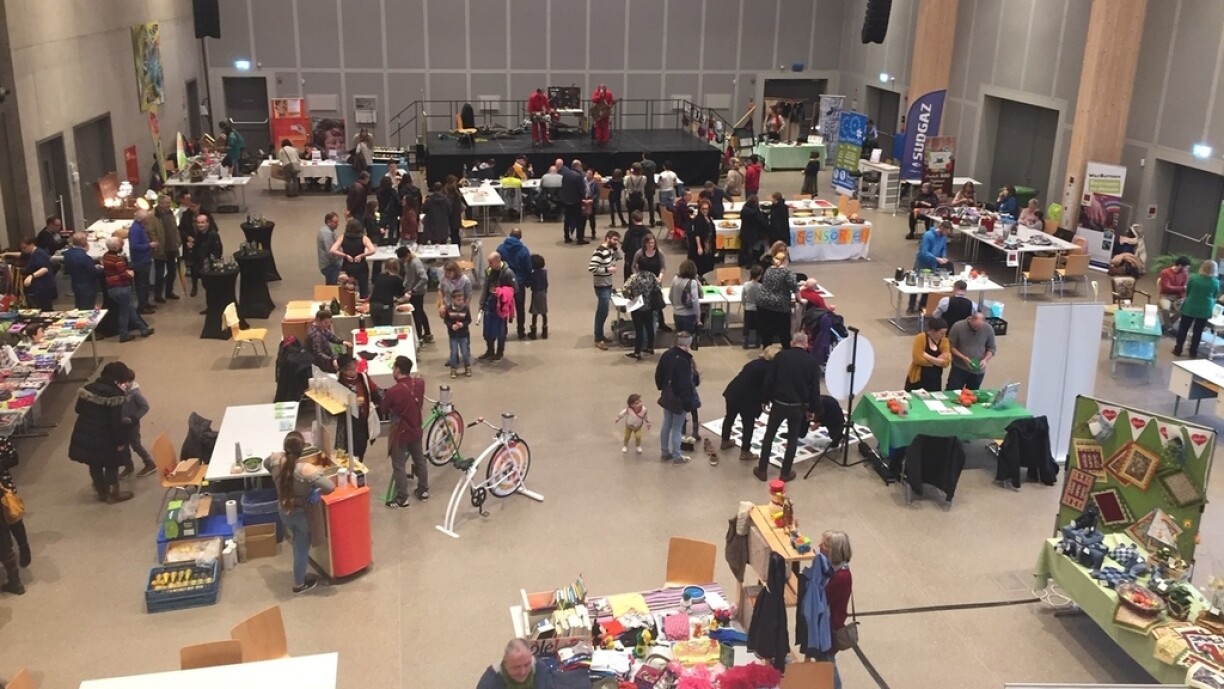
In the ongoing fight against food waste, the municipality of Differdange organised a festival (Anti Gaspi) to raise awareness of the issue and to demonstrate solutions to the acute problem. Food waste is a problem highlighting the stark contradictions of our world - one third of all food produced throughout the world is binned whilst nearly one billion people suffer from hunger and undernourishment.
The Differdange authorities have emphasised discussing the issue, with the council's social commission organising an anti-food waste festival (anti-gaspi festival, with gaspi referring to the French word 'gaspillage/waste'). The main event of the festival took place in the large kitchen set up, demonstrating how to use produce that is no longer in its prime. Hotel school (École d'Hôtellerie et de Tourisme du Luxembourg - EHTL) professor Lucien Kass stressed that all types of produce can still be used, even if they are overripe.
The most common use for overripe vegetables is to make a vegetable stock, using any peeled or cut-off parts of the produce that you might have thrown away, as well as food that you would no longer eat directly. Vegetable stocks can then be frozen for future use, or used in meals straight away.
As for fruit, Kass pointed out that soft fruits can still be used in smoothies, whilst parts that are still firm enough can be used in a fruit salad, as the festival would demonstrate. Those working in the kitchen took to the anti-food waste task with great enthusiasm, mirroring the EHTL's commitment to reducing food waste as much as possible. Kass nevertheless admitted it is difficult to incorporate a wholly anti-food waste regimen in a school.
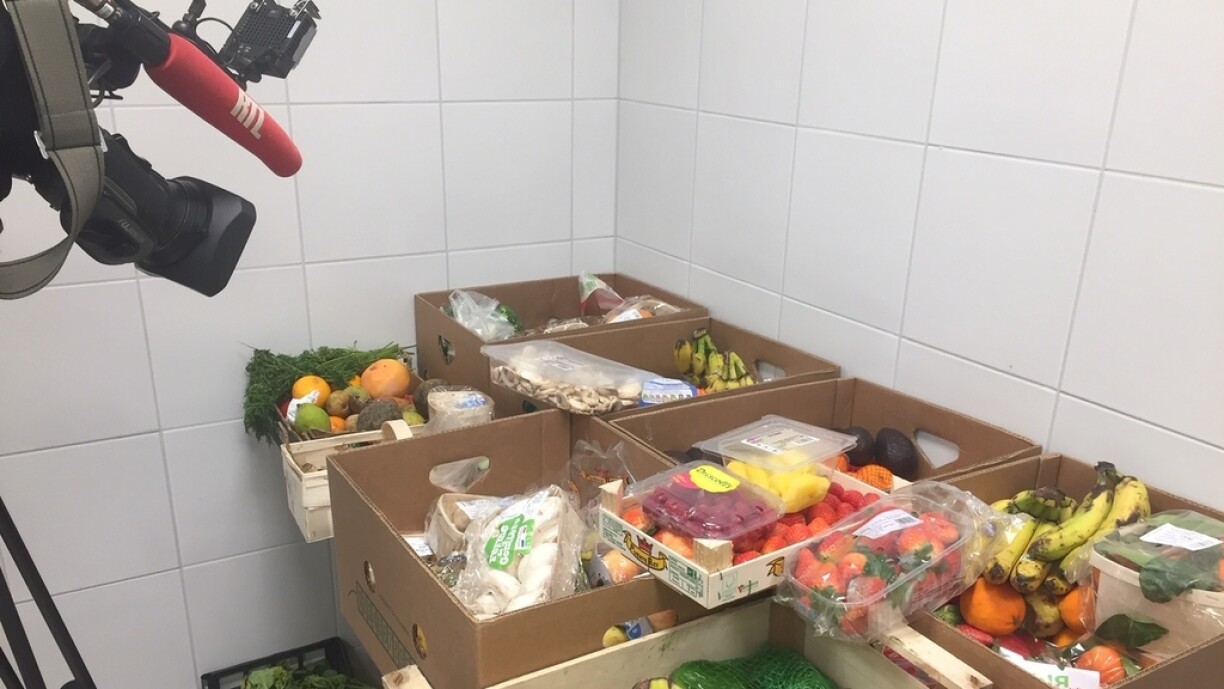
Food waste is most frequent at home, where over 40% of food is thrown away. One of the main causes of this wastage is that many households tend to overbuy produce and food items, inevitably failing to use up everything they've purchased. This, however, is a knock-on effect of overproduction, a trend exacerbated by today's desire to have as much available as possible, immediately. Following private households in terms of food waste is the restaurant sector, which throws away 14% of food. Finally, food waste is also rife during transportation, as food is thrown due to, broadly, packaging errors.
The festival on Sunday also promoted other aspects of a zero-waste lifestyle, namely homemade products such as cleaning items or bathroom staples. For more on zero-waste tips and DIY, check out our reducing-waste guide.





