Here are five things you should know at the end of this week:
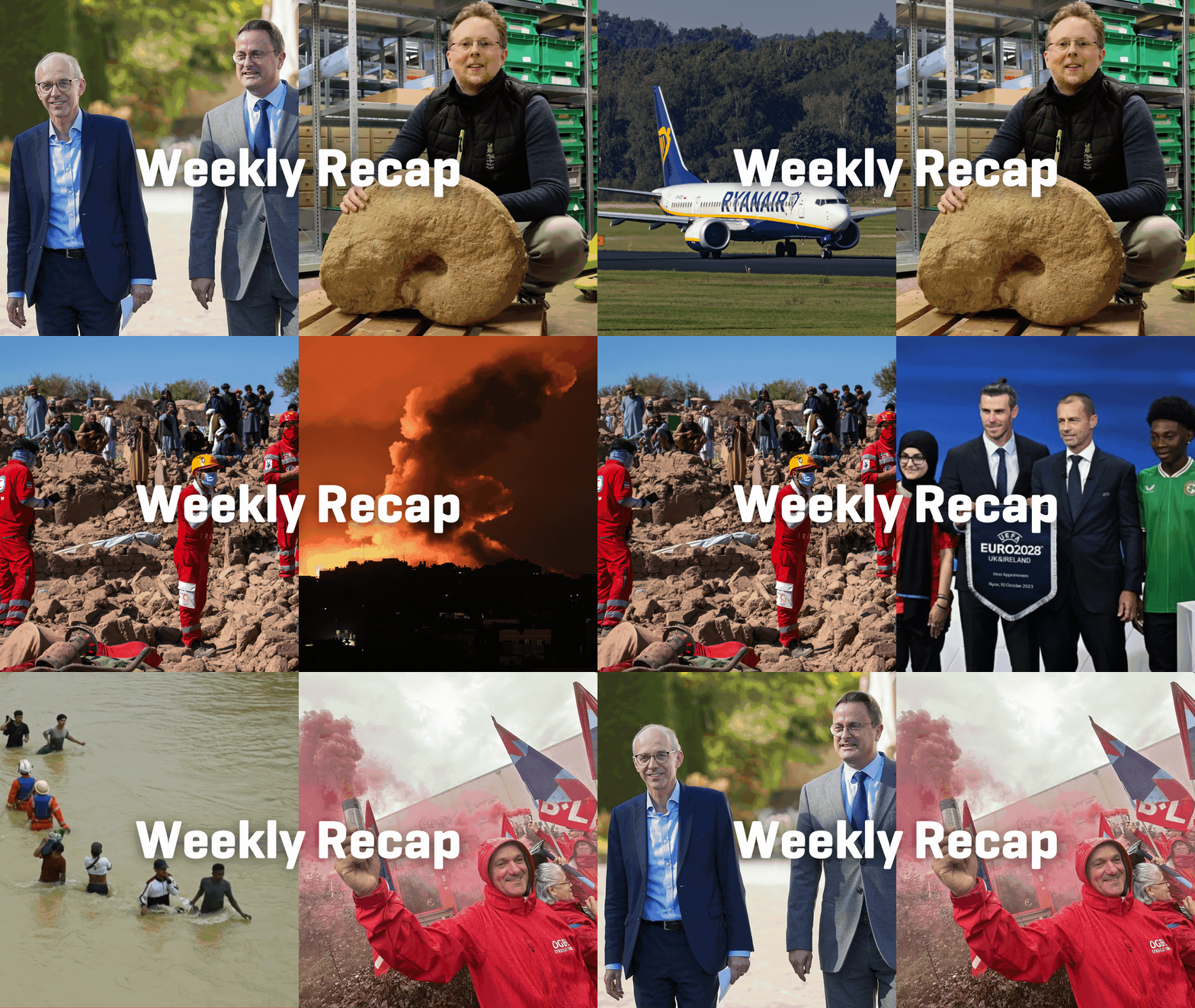
As The Greens lost five Chamber seats in Sunday's national election, the CSV is the only party in the position to form a new coalition government.
Greens suffer blow - The incumbent coalition government – formed by the Democratic Party (DP), the Luxembourg Socialist Workers' Party (LSAP), and the Greens – will no longer be in power as the Greens suffered a devastating blow in Sunday's national election, losing the party five seats in the Chamber of Deputies.
The Christian Social People's Party (CSV), led by Luc Frieden, meanwhile retained their 21 seats in the Chamber of Deputies, putting them in the position to form a coalition and lead the Luxembourg government for the next five years.
Frieden named 'formateur' - After accepting Prime Minister Xavier Bettel's government resignation, Grand Duke Henri met with representatives from all elected parties on Monday. The final meeting was with Frieden, who the State head then entrusted with forming a new government coalition by naming him 'formateur'.
CSV and DP enter talks - It did not take long for the CSV to announce the DP as their first-choice coalition partner. The party accepted the invitation and charged Bettel with leading the coalition talks on behalf of the DP.
Negotiations got underway swiftly and Frieden reported "more progress" than expected after the first day of talks at Senningen Castle. Deliberations between both parties resumed on Thursday with an emphasis on public finances and the economic outlook.
While the LSAP managed to win an additional seat in Sunday's vote, the socialist party still sees itself ousted from the majority due to the inability of the incumbent coalition to stay in power. The party has however declared itself ready to accept this new position on the opposition benches.


The Nature Museum in Luxembourg City houses the world's largest nautiloid fossil, "Cenoceras rumelangense", a unique find dating back to the Early Middle Jurassic period, discovered in the 1990s and acquired by the museum in 2022.
Found in the Rumelange region, this rare fossil represents a new species and offers valuable insights, given the scarcity of well-preserved nautiloid fossils.
Individuals discovering fossils or artefacts can contact the museum for assessment and have the option to keep, loan, or sell their finds to the institution.
Discovered in the 1990s - The Nature Museum in Luxembourg City is home to a significant paleontological treasure: the world's largest nautiloid fossil, known as "Cenoceras rumelangense". This remarkable specimen dates back to the Early Middle Jurassic period, approximately 168 million years ago.
Unearthed in the 1990s and acquired by the museum in 2022, it serves as a touchstone of ancient marine life, granting scientists unique insights into the cephalopod species of that era, enhancing our understanding of biodiversity and ecological conditions prevailing millions of years ago.
Unprecedented research opportunities - "Cenoceras rumelangense" is not just an ancient relic; it symbolises the discovery of a new species, amplifying its scientific importance. Found in the Rumelange region along the French-Luxembourg border, this well-preserved nautiloid fossil is nestled within the "Marnes sableuses d'Audun-le-Tiche" rock stratum, one of the country's most recent geological formations. The rarity of nautiloid fossils, especially those in excellent condition, highlights the significance of this find, offering unprecedented opportunities for research and study in the field of palaeontology.
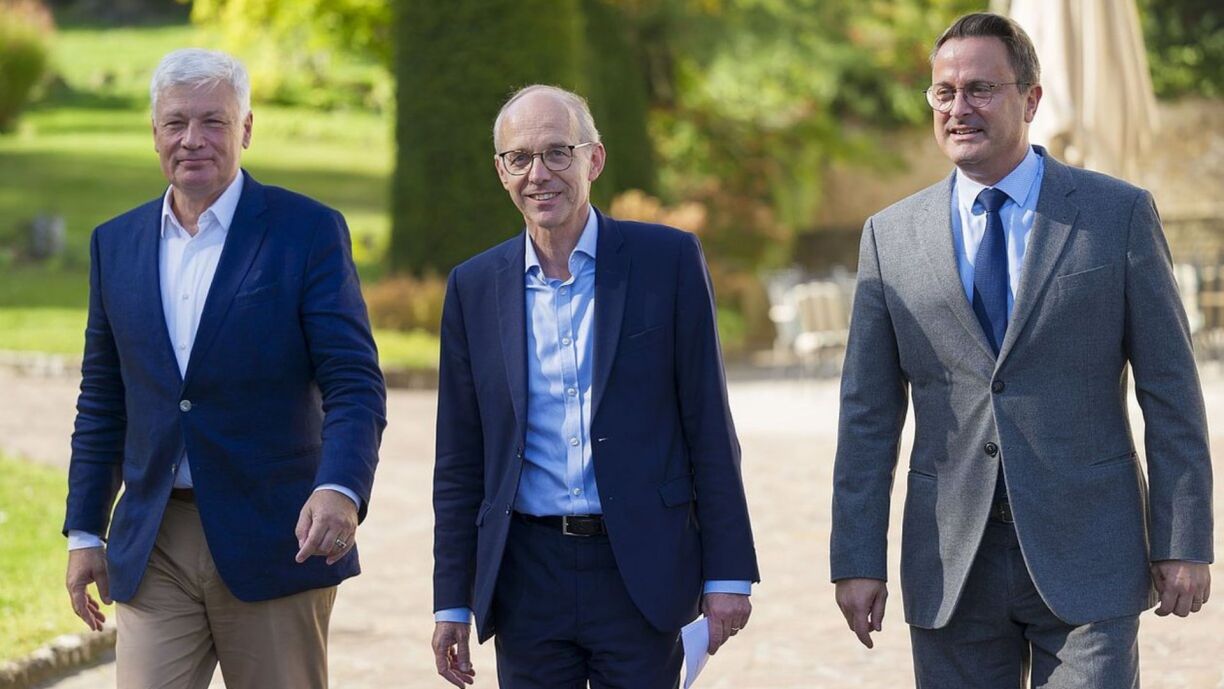
A Ryanair flight from Luxembourg to London Stansted collided with a mobility assistance truck on the runway on October 4, after landing ten minutes ahead of schedule.
The collision occurred as the plane was pulling up to the gate, and although the truck attempted to reverse, it hit the aircraft's wing.
No passengers were injured, but the 13-year-old Boeing 737-800 has remained grounded at Stansted since the incident.
Ahead of schedule - On October 4, a Ryanair flight travelling from Luxembourg experienced an unexpected incident upon its early arrival at London Stansted. Landing ten minutes ahead of schedule, passengers were likely anticipating a swift exit from the aircraft.
However, an unforeseen obstacle emerged on the runway, transforming the otherwise routine landing into a notable event. The aircraft, brimming with passengers, made an unanticipated collision with a mobility assistance truck that was present on the runway.
Wing collision - As the plane, a Boeing 737-800, was manoeuvring towards its designated gate, a mobility assistance truck found itself in the aircraft's direct path. The video footage shared across social media platforms captured the tense moments leading up to the collision. Viewers watched as the truck driver made a last-minute attempt to reverse and avoid the incoming aircraft. Despite these efforts, the vehicle collided with the plane's wing, marking an abrupt interruption to the otherwise smooth landing.
Plane grounded - While the collision naturally invoked concern, the immediate confirmation that no passengers had been injured offered some relief. The German newspaper, the Trierer Volksfreund, reported on the incident, emphasising the absence of injuries among passengers.
However, the Boeing 737-800, a 13-year-old aircraft that had been part of Ryanair's fleet since September 2010, faced consequences of its own. The collision left the plane grounded and it has remained at London Stansted airport since the incident.
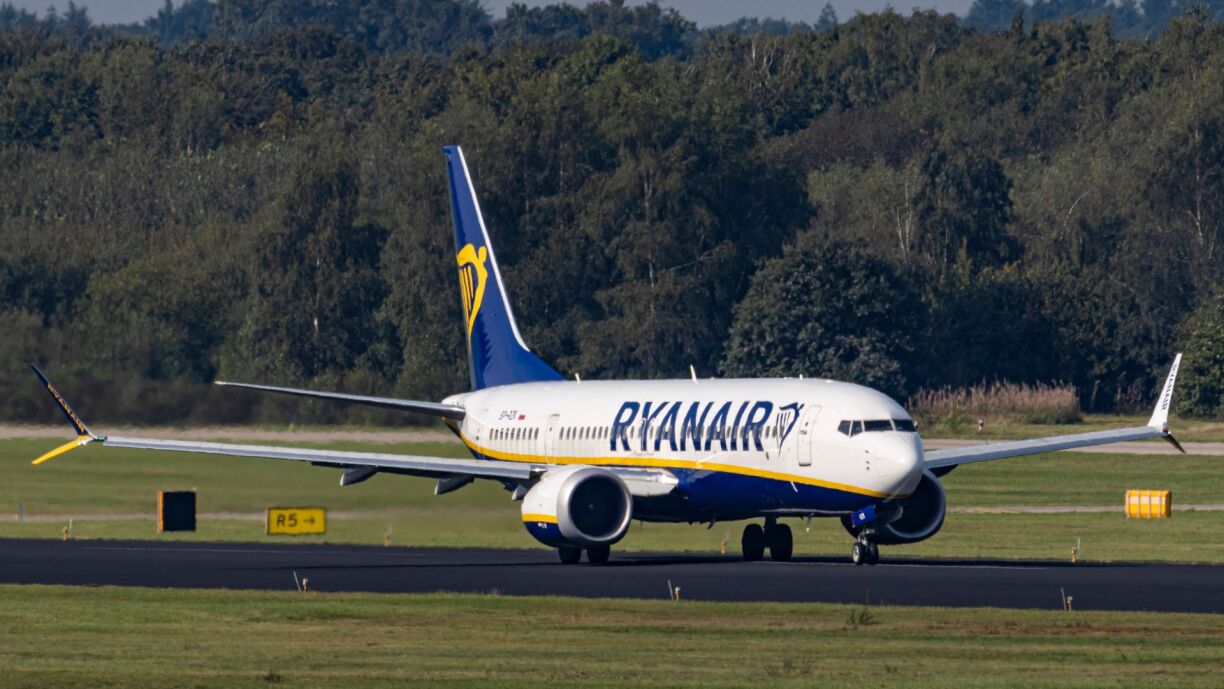
In response to Hamas's deadly attacks, Israel has initiated a massive bombardment on Gaza, prompting a call for the relocation of 1.1 million people, while the UN warns of severe consequences and deems such a move "impossible."
The US pledges unwavering support to Israel, equating Hamas to ISIS and calling for its defeat, as Secretary of State Antony Blinken tours Middle Eastern countries to pressure Hamas and seek the release of hostages.
Amidst the Israeli-Hamas conflict, Hezbollah in Lebanon poses a northern threat, leading to a military build-up on both borders and international support for Israel from the U.S. and UK to ensure regional stability.
Relocation call - In the wake of a devastating attack by Hamas that resulted in over 1,200 deaths and 150 hostages in Israel, the Israeli military has responded with an intense bombardment of Gaza. The scale of the attack led Israel to call for the relocation of 1.1 million people, a move that has been met with stark warnings from the UN.
The international body deems the mass relocation impossible and fears it could exacerbate an already dire humanitarian crisis. Amidst this, Israel is facing a challenging situation of combatting Hamas while trying to minimise civilian casualties and suffering.
US support for Israel - The US' Secretary of State Antony Blinken has expressed unwavering support for Israel during this tumultuous period. Comparing Hamas to the notorious ISIS, the US stance strengthens Israel's military and moral positioning in the conflict.
Blinken's tour in the Middle East, including visits to Jordan, Saudi Arabia, Egypt, the UAE, and Qatar, is geared towards exerting pressure on Hamas and facilitating the release of hostages. The States' robust support underscores the strategic alliance between the two nations and adds a complex layer to the geopolitical dynamics of the ongoing conflict.
Iran denying involvement - As Israel contends with the southern threat posed by Hamas, the country's new war cabinet faces an additional challenge in the north from the Iran-backed Hezbollah group based in Lebanon. This two-front conflict scenario has instigated a significant military build-up on both borders.
In a show of alliance, the US and UK have mobilised military assets to the region, indicating international readiness to support Israel and ensure regional stability. Iran, a long-time supporter of Hamas, has praised the group's attacks, but denies direct involvement, adding another layer of complexity to a conflict that has regional and international implications.
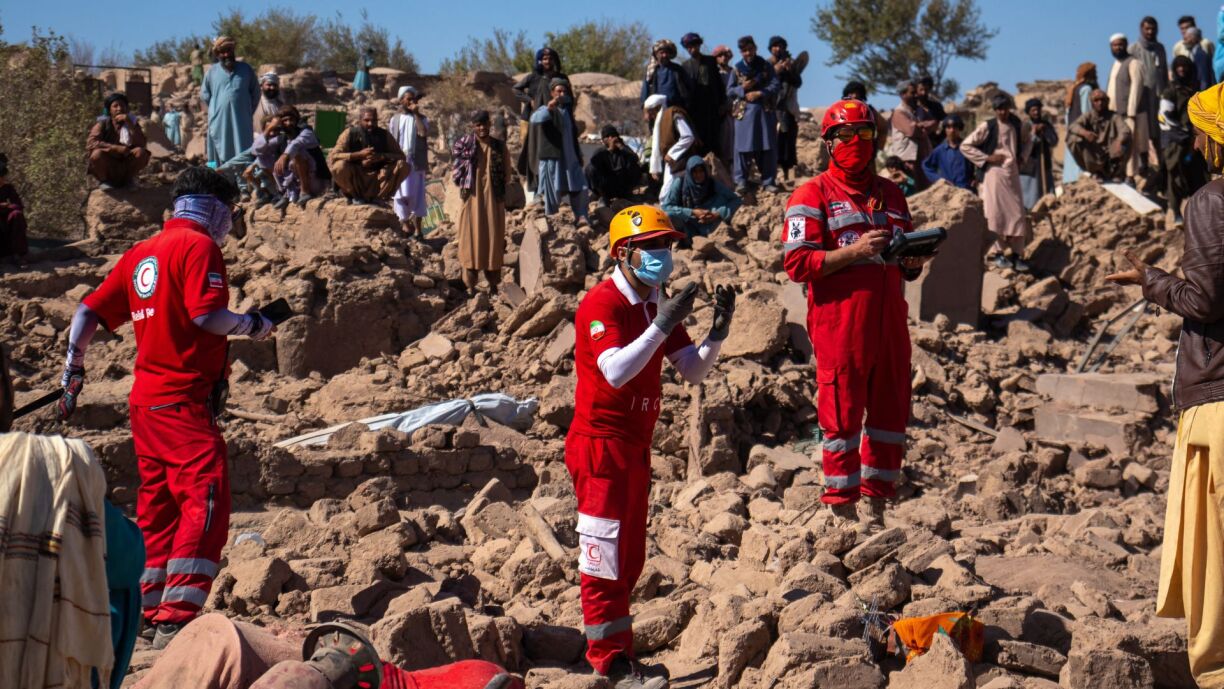
Over 1,000 people, mostly women and children, have been killed in a series of earthquakes in western Afghanistan, leaving thousands homeless and causing widespread destruction in rural villages.
The Afghan government and UNICEF are grappling with the challenges of providing aid and shelter amidst the ongoing crisis, exacerbated by the Taliban's fractious relations with international aid organisations.
Afghanistan's existing humanitarian crisis, due to the withdrawal of foreign aid and years-long drought, is worsened by the earthquakes, highlighting the urgent need for international assistance.
Devastating quakes - The calamity caused by a series of earthquakes in western Afghanistan is both devastating and unprecedented, claiming over 1,000 lives, a majority of which are women and children. Entire villages have been flattened, leaving thousands of survivors without shelter and essentials.
Dire conditions - The Afghan government and UNICEF are faced with monumental challenges in their efforts to provide emergency relief and shelter to the affected populations. The task is compounded by the Taliban's complex relationships with international aid organisations.
The group's ascent to power in 2021 led to a substantial reduction in foreign aid, a resource that could have been pivotal in alleviating the crisis. Providing large-scale shelter and healthcare is proving to be an uphill task, with the onset of cold weather adding another layer of urgency to an already dire situation.
Lack of resources - These natural disasters are exacerbating the already precarious situation in Afghanistan, leaving millions on the brink of despair. The residents of Herat province, which borders Iran, are particularly affected, grappling not just with the aftermath of the quakes, but also the lack of resources to sustain life and dignity. It underlines a pressing need for a renewed focus and international assistance to avert a catastrophic fallout.
Business & Tech - US Federal Reserve officials agreed last month they should hold interest rates high "for some time" in their ongoing fight against inflation, according to minutes of the meeting published Wednesday.
Science & Environment - Residents of Myanmar's flood-hit Bago city salvaged food and belongings from their waterlogged homes on Tuesday after record rainfall triggered floods that authorities said have displaced 14,000 people.https://today.rtl.lu/news/world/a/2066108.html
Entertainment -Talks between Hollywood actors and studios over an ongoing strike were suspended Wednesday, in a blow to hopes for a swift end to a crisis that has crippled the entertainment industry.
Emergency support - The Luxembourg Air Ambulance has begun a series of emergency evacuations, airlifting injured individuals from Armenia amidst the ongoing Nagorno-Karabakh conflict.
Aviation - Luxair has ordered four new planes as part of the continued development and renewal of its fleet, according to a press release published on Thursday.
Finance - Bad news for buyers and homeowners in Luxembourg, as interest rates, especially variable rates, have seen a notable increase, according to the latest data from the Luxembourg Central Bank (BCL).

Your Weekly Recap is published every Friday at noon. Read earlier versions.





