Here are five things you should know at the end of this week:

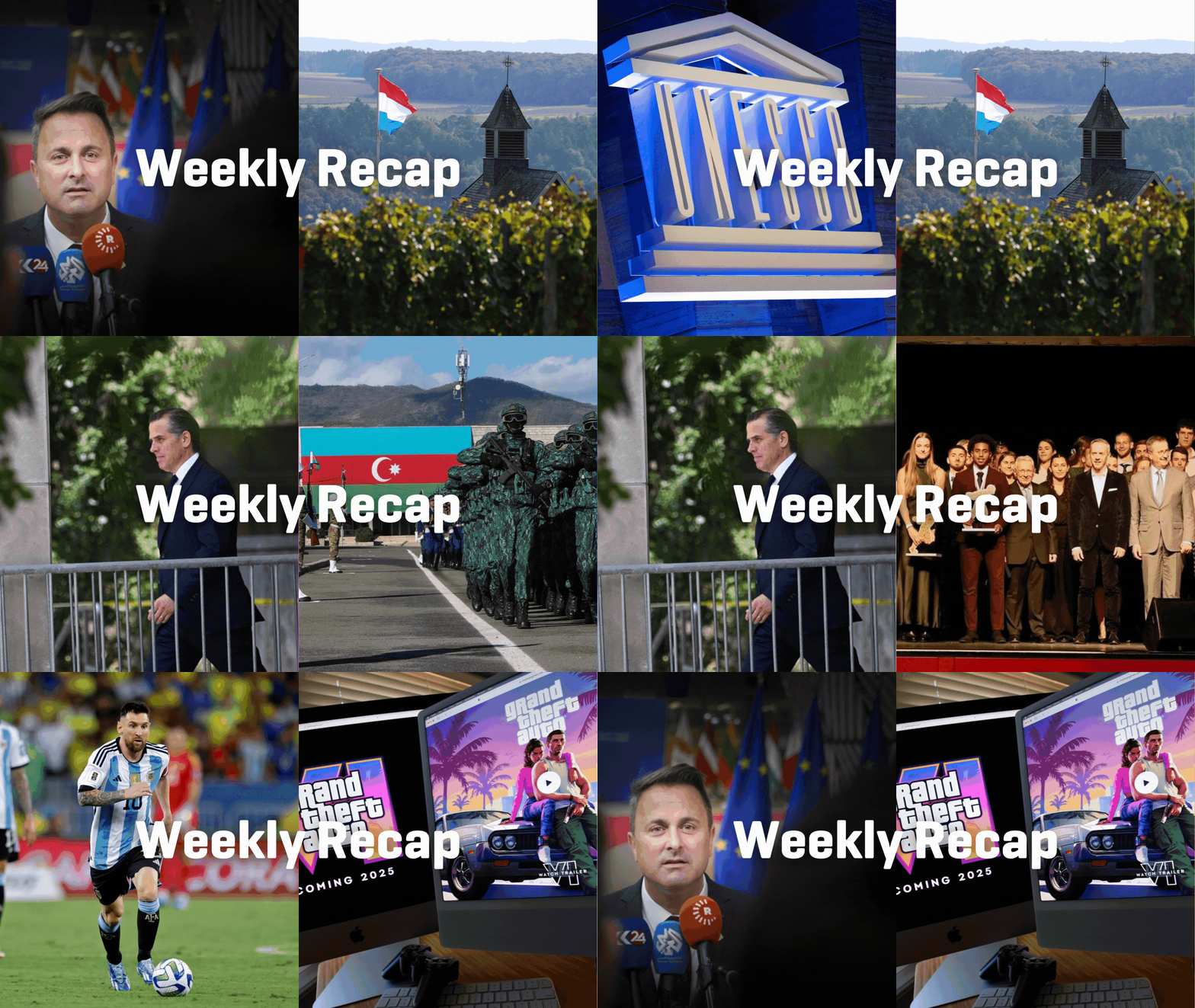
Scrutiny – Xavier Bettel is under scrutiny for his approach to handling pressing international issues. Lawmakers and activists have expressed their unease regarding his vague and unclear responses to questions about Luxembourg's foreign policy direction. This criticism primarily focuses on his handling of trade relations and the ongoing Israel-Hamas conflict, indicating a potential departure from the nation's previous foreign policy stances and raising questions about the continuity and effectiveness of Luxembourg's diplomatic strategy under his leadership.
Lawmakers express doubts – MPs like Sam Tanson and Georges Engel voiced their disappointment over Bettel's unclear answers, especially concerning the implementation of a supply chain law in the context of Luxembourg's increasing trade with China. This situation presents a challenge, as the new coalition agreement promotes more trade with China, which some MPs find contradictory to the human rights objectives of the law. Bettel's failure to provide clarity on this matter has led to concerns about how Luxembourg will balance its trade ambitions with its human rights commitments.
Press freedom – The situation in the Middle East, particularly concerning press freedom, also garnered attention, with activists and journalists rallying outside the Chamber to call for solidarity with reporters in the Gaza strip. This demonstration underscores the high stakes involved in the conflict, as evidenced by the significant number of journalists and Palestinian casualties reported by organisations like the Committee to Protect Journalists (CPJ).

UNESCO has added three Luxembourgish traditions to its list of Intangible Cultural Heritage of Humanity, joining the previously recognised Echternach dance procession and hunting horn playing.
The new additions include Transhumance (seasonal livestock migration), traditional irrigation practices, and the art of midwifery, with Luxembourg now having five traditions on the prestigious list.
The 2023 UNESCO intangible heritage expansion also includes traditions from Azerbaijan, Peru, Angola, and the Philippines, reflecting a diverse range of cultural practices worldwide.
Three new additions – Luxembourg has achieved significant cultural recognition with the addition of three traditions to the UNESCO list of Intangible Cultural Heritage of Humanity. These new inclusions complement the already recognised Echternach dance procession and the musical art of hunting horn playing. The list, which now includes five Luxembourgish traditions, serves as a testament to the nation's commitment to preserving its unique cultural practices and sharing them with the world.
Midwifery, transhumance, and irrigation – The three newly recognised Luxembourgish traditions are a blend of agricultural, medical, and pastoral practices. Transhumance, known locally as Wanderschéiferei, is a centuries-old practice involving the seasonal movement of livestock, deeply rooted in the agricultural history of Luxembourg. Traditional irrigation, or fléizen, practiced particularly in the Upper Sûre Nature Park, is a sustainable farming method that utilises natural water streams for irrigation. The art of midwifery, Hiewanskonscht, reflects the long-standing and crucial role of midwives in supporting pregnant individuals throughout their pregnancy and postnatal period.
Additions from around the world – The 2023 expansion of UNESCO's intangible heritage inventory highlights the rich cultural diversity across the globe. Notable inclusions are the craftsmanship and performing art of balaban/mey from Azerbaijan, the culinary tradition of ceviche from Peru, sona sand drawings from Angola, and Aklan piña handloom weaving from the Philippines. These additions underscore UNESCO's commitment to celebrating and preserving a wide array of cultural practices, each with its unique significance and historical context.
Luxembourg has experienced a significant linguistic shift over the past decade, with a 55% increase in new languages and a decline in the prevalence of Luxembourgish among both native and foreign residents.
Language usage patterns show that while Luxembourgish is still widely used, especially at home and in the workplace, there's a growing trend towards the use of other languages like Portuguese, English, and French.
The report emphasises the importance of multilingualism in Luxembourg for fostering inclusion and understanding in its increasingly diverse community.
Multicultural hub – Over the past decade, Luxembourg has witnessed a remarkable transformation in its linguistic landscape. The country has seen a 55% increase in the emergence of new languages, largely due to significant population growth and diversification. This change is characterised by the decreased dominance of Luxembourgish, which, despite still being spoken by nearly half of the population, has seen its prevalence dip from 55.8% to 48.9%. The influx of various language-speaking populations, including communities speaking Arabic, Tigrigna, and Pular, has contributed to this linguistic evolution, reflecting Luxembourg's role as a multicultural hub in Europe.
Portuguese and English on the rise – This shift is indicative of the changing demographic makeup of the country, where languages like Portuguese have surpassed traditional ones like French and German in prevalence. Interestingly, English has carved out a niche primarily in professional and academic settings, signifying its growing importance as a global language within Luxembourg's diverse society.
Social cohesion – The decrease in Luxembourgish usage, particularly among foreign residents and first-generation Luxembourgish citizens without native-born parents, suggests a challenge in language integration. However, recognising and valuing the array of languages spoken in Luxembourg is key to ensuring that all members of society, regardless of their linguistic background, feel included and represented. This approach is essential for maintaining social cohesion in a country characterised by its rich linguistic diversity.
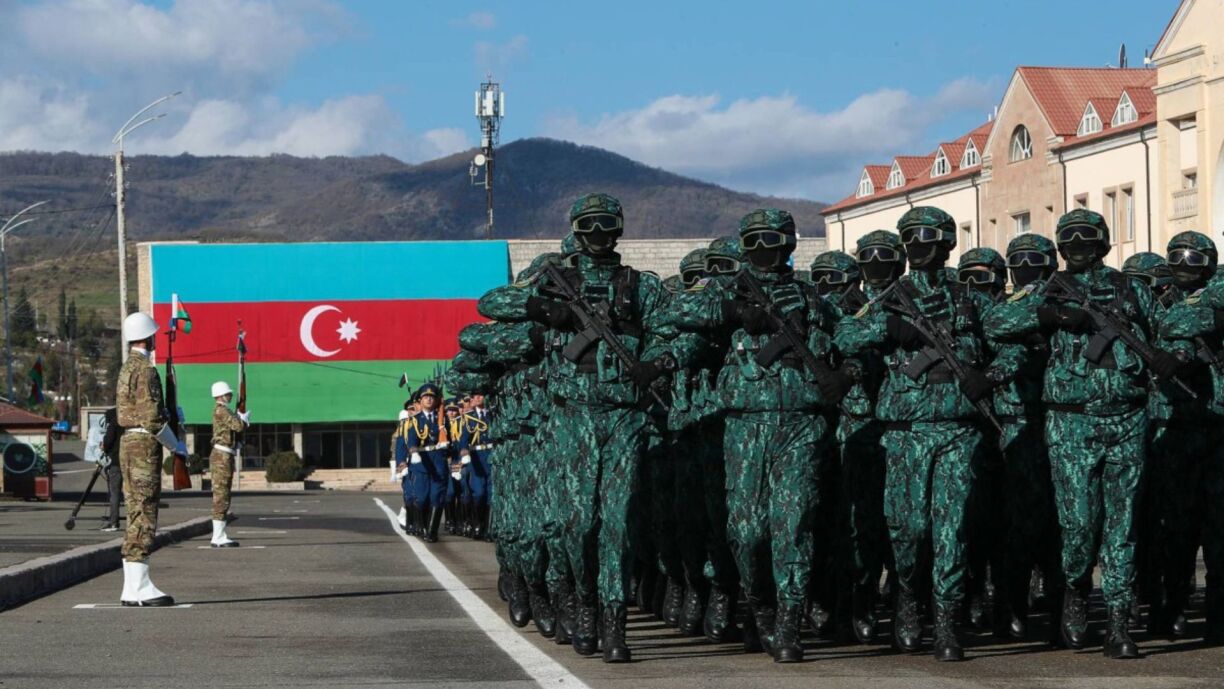
Armenia and Azerbaijan have agreed to a prisoner of war exchange and steps towards normalizing relations, a move hailed by the EU and the US as a significant breakthrough in their long-standing conflict over Nagorno-Karabakh.
The two countries are also discussing confidence-building measures and Armenia has withdrawn its bid to host COP29, supporting Azerbaijan's candidacy instead.
Despite recent progress, peace talks have been stalled due to disagreements and accusations of bias, with traditional regional power broker Russia's influence in the Caucasus waning.
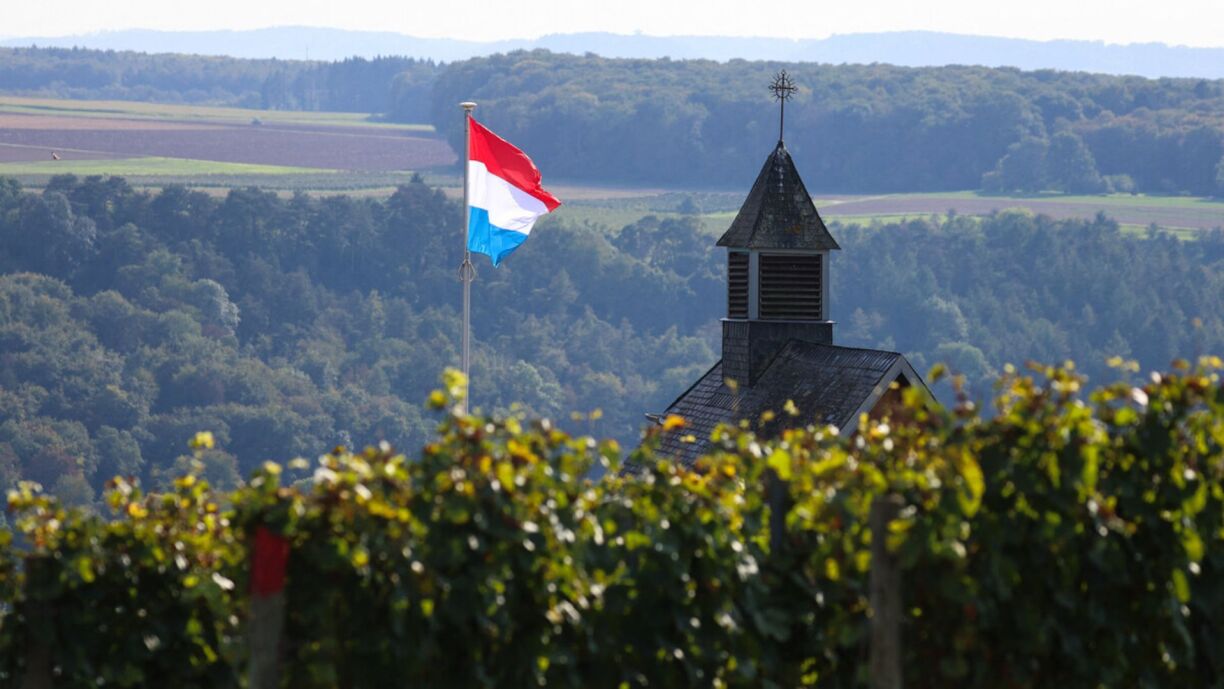
Breakthrough – The joint statement by Armenia and Azerbaijan marks a significant milestone in their longstanding conflict over the Nagorno-Karabakh region. The new agreement includes the exchange of prisoners of war, signaling a substantial step towards easing tensions and normalising relations between the two countries. The European Union and the United States have lauded this move as a historic opportunity for peace in the region. This development comes after decades of hostility and conflict, highlighting its potential to create a new era of cooperation and stability in the Caucasus.
Confidence building – As part of the efforts to demonstrate goodwill and build trust, Armenia announced its decision to withdraw its candidacy to host the UN-led climate talks (COP29) in 2024, thereby supporting Azerbaijan's bid. This gesture is seen as a significant act of conciliation, considering the importance of COP29 in global climate change negotiations. Furthermore, the two countries have agreed to engage in discussions on additional confidence-building measures, which are expected to be effective in the near future. These steps indicate a mutual commitment to overcoming past hostilities and paving the way for a more collaborative and peaceful relationship.
Changing landscape – Despite these positive developments, the path to a comprehensive peace agreement remains complex. The peace talks have experienced several setbacks, with both Armenia and Azerbaijan accusing each other of bias and stalling the negotiation process. Recent instances include Azerbaijan's refusal to participate in talks in the United States and Armenia's allegations of biased positions from other countries involved in mediation.
Additionally, the traditional influence of Russia in the Caucasus region seems to be diminishing, as evidenced by Azerbaijan's successful military offensive in Nagorno-Karabakh and the subsequent shift in territorial control. This changing geopolitical landscape adds another layer of complexity to the peace negotiations and the overall stability of the region.
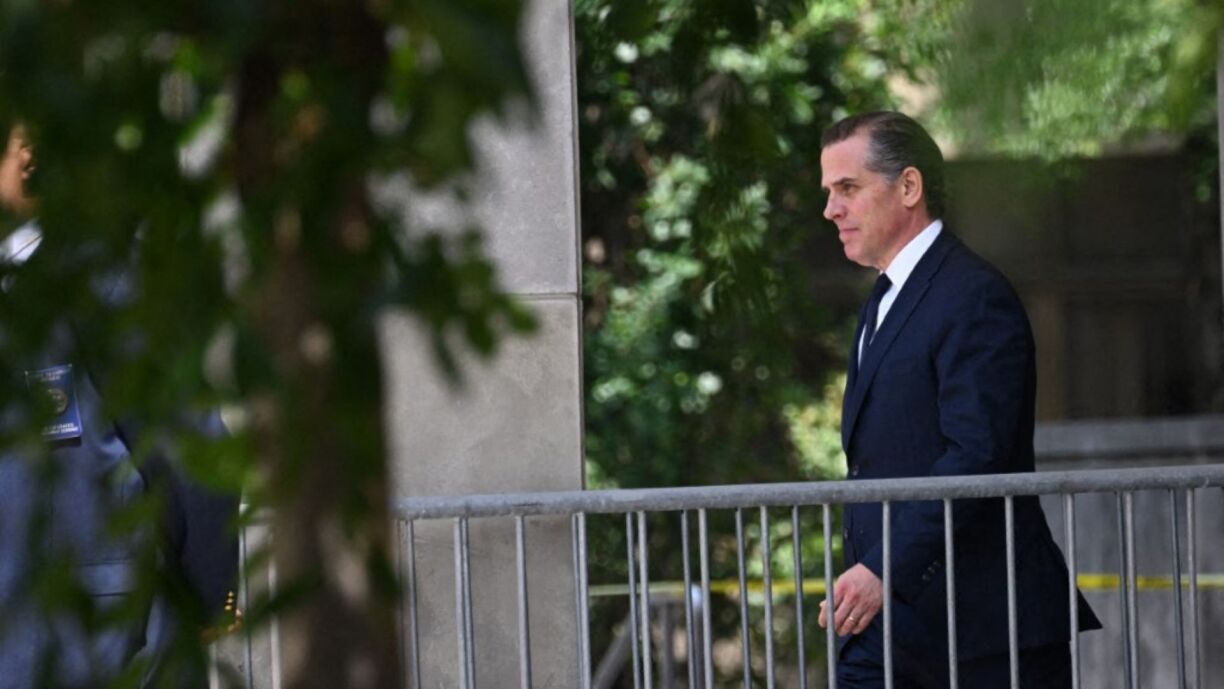
Hunter Biden, President Joe Biden's son, has been indicted on multiple counts of tax evasion and filing false tax returns, relating to a failure to pay over $1.4 million in taxes.
The indictment adds to the legal challenges faced by the Biden family, as President Biden prepares for re-election amidst Republican efforts to impeach him over alleged benefits from his son's overseas business dealings.
Despite previous legal issues and a troubled personal history, including drug and alcohol addiction, Hunter Biden has not been charged with crimes related to his foreign business activities.
Legal challenges– The indictment of Hunter Biden centres on multiple counts of tax evasion and filing false tax returns. Specifically, Hunter is accused of a deliberate scheme to evade paying at least $1.4 million in federal taxes owed from 2016 to 2019. This indictment, filed in a US district court in California, includes charges of failing to file and pay taxes, tax evasion, and submitting false tax returns. These charges highlight significant legal issues for Hunter Biden, as they are based on substantial financial discrepancies over a period of four years.
Presidential race affected – The legal troubles of Hunter Biden come at a politically sensitive time for President Joe Biden, who is preparing for a re-election campaign. Republicans have been pushing for impeachment proceedings against President Biden, alleging that he benefited from his son's overseas business dealings. However, these allegations have not been substantiated with evidence linking the President directly to any wrongdoing. The timing and nature of these charges add a complex layer to the political landscape as President Biden faces challenges from the Republican party and prepares for a potential electoral battle against Donald Trump.
Troubled son – Hunter Biden, a Yale-trained lawyer and lobbyist who later turned to art, has had a life marked by personal struggles, particularly with alcoholism and crack cocaine addiction. Despite these challenges and the legal issues he faces, notably the recent tax evasion charges, Hunter has not been charged with any crimes related to his foreign business dealings. These dealings have been a focal point of Republican allegations, but so far, they have not resulted in any formal charges. Hunter's personal history, including a previous indictment for lying about his drug use on a federal application for a gun purchase, complicates his public image and adds to the controversies surrounding the Biden family.
Business & Tech – Ratings agency Moody's on Tuesday downgraded the outlook on China's credit rating to "negative" from "stable" on the back of rising debt in the world's second-largest economy, with Beijing saying it was "disappointed" by the move.
Science & Environment – Saudi Arabia's energy minister has slammed the door shut on agreeing to phase out fossil fuels at the UN's COP28 climate talks, setting the stage for difficult negotiations in Dubai.https://today.rtl.lu/news/world/a/2066108.html
Entertainment – Fans around the world exploded with excitement Monday when Rockstar Games released the first trailer for Grand Theft Auto VI - the most hotly anticipated game of the decade.
2023 Sports Gala – Patrizia van der Weken and Leandro Barreiro were crowned Sportswoman and Sportsman of the Year, with the national men's football team taking the Team of the Year honour and Luc Holtz securing Coach of the Year.
Mobility – Public transport operator CFL saw its cleaning costs treble as a result of the coronavirus pandemic, rising from €54,000 to €173,000 for bus maintenance alone.https://today.rtl.lu/news/world/a/2066108.html
Excessive consumption risks – With end-of-year celebrations on the horizon, the Ministries of Health and Social Security have launched a campaign to raise awareness of excessive alcohol consumption, encouraging people to drink sensibly throughout the festive season.

Your Weekly Recap is published every Friday at noon. Read earlier versions.





