Here are five things you should know at the end of this week:
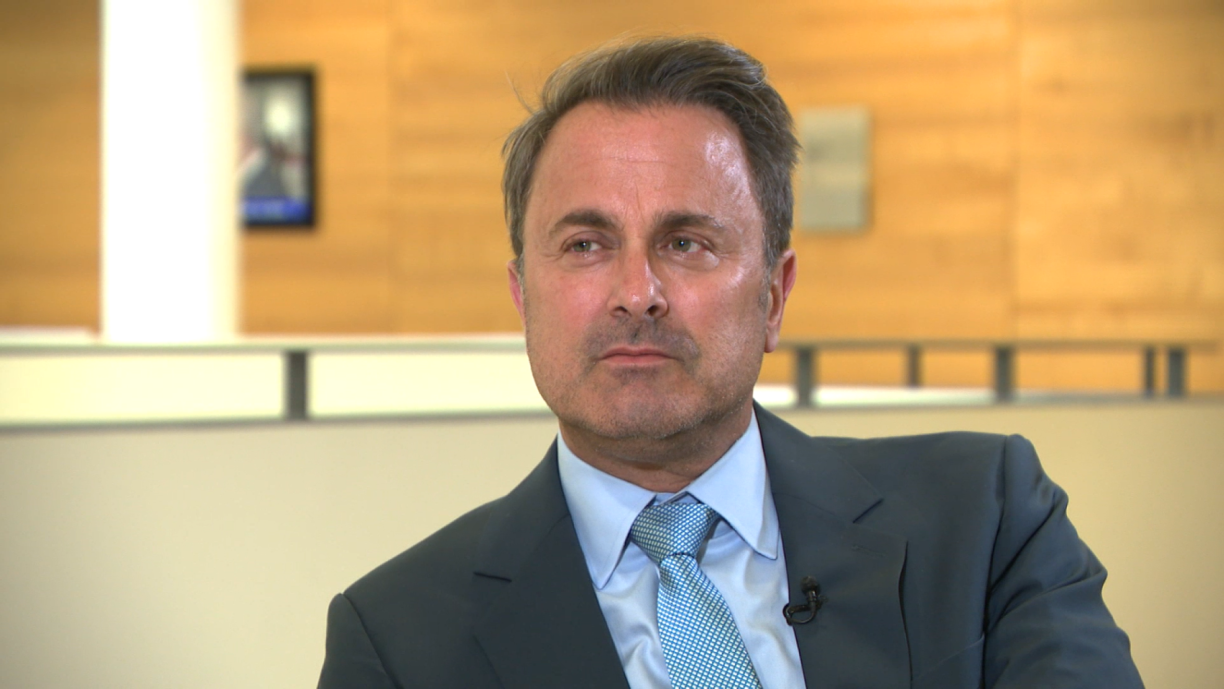
Mounting EU divisions exposed – Xavier Bettel has repeatedly expressed his frustration at the European Union's inability to agree on sanctions against Israel, particularly following recent extreme statements by Israeli ministers. He likened the EU to a 'dog that barks loudly but has no teeth', highlighting how the requirement for unanimity among member states has repeatedly stalled meaningful action. Bettel has called for institutional reform, including majority voting on foreign policy measures.
Legal voices weigh in – The debate has drawn input from legal experts, with calls for stronger action such as repealing trade agreements and banning all forms of trade with Israel over its settlement policy. While Bettel has become more outspoken, some argue Luxembourg could go further if the EU remains inactive. The situation continues to highlight the broader challenge of achieving consensus within the EU on sensitive foreign policy issues.
Luxembourg considers national action – With EU-level sanctions blocked, Luxembourg is exploring the possibility of imposing its own trade measures against imports from illegal Israeli settlements in the West Bank. Bettel confirmed that a working group is examining the legal basis for such action, though he cautioned that Luxembourg's trade volume with the Palestinian territories is minimal and any measures would be largely symbolic. Legal hurdles remain, as trade policy is primarily an EU competence.
In the meantime, Israel's far-right National Security Minister Itamar Ben Gvir set out a plan on Thursday to remove Palestinians from the Gaza Strip and send them abroad.
Speaking in the run-up to close-fought Israeli elections, he said the plan aimed to see the departure of 250,000 Palestinians from Gaza in the first year, followed by the rest of the roughly two million residents over the following six years. "It's realistic," said Ben Gvir, claiming that there were countries who were "ready" to take in Gazans, without naming which ones.
Forced displacement of civilians in occupied territory is considered a war crime under the Geneva Conventions.
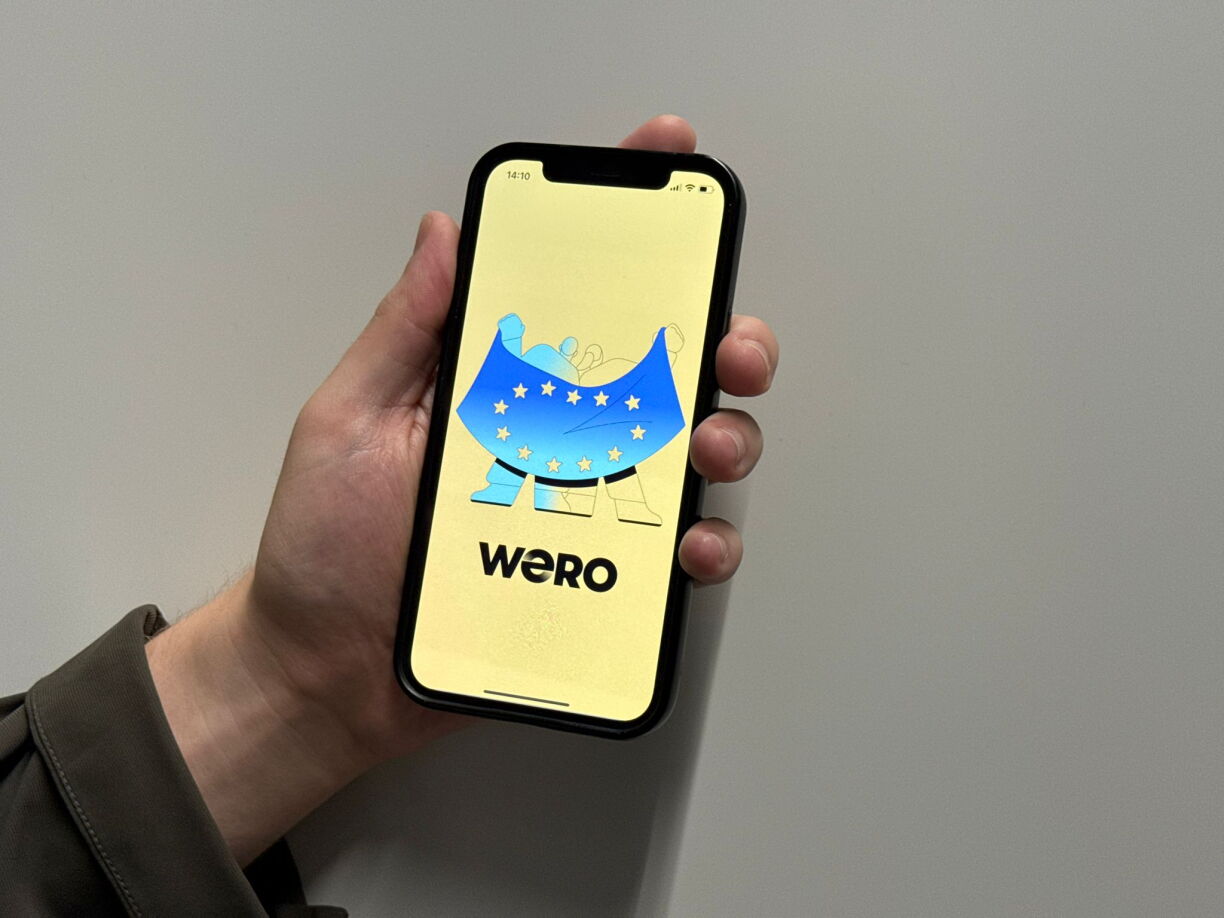
Strong start – Wero, operated by the European Payments Initiative, has quickly gained traction in Luxembourg, with more than 34,000 downloads at launch. The app replaces Payconiq and enables users to send and receive payments across Luxembourg, Belgium, Germany, France, and the Netherlands. Bank representatives and Wero officials reported only minor issues, attributing them to initial technical adjustments, and expressed satisfaction with the rollout’s progress. While some business leaders hope for a cashless future, Wero’s operators emphasise that the app is not intended to replace cash entirely, but rather to reflect the growing preference for digital payments among consumers.
Mostly smooth transition – The migration from Payconiq to Wero began on 1 September, with banks supporting customers through the process. Users must link their bank accounts and, in many cases, authenticate via LuxTrust. While some customers encountered difficulties, particularly with account linking, bank staff were prepared to assist. Businesses are being supported throughout September to ensure a smooth transition, and Payconiq will remain available until the end of September 2026.
Looking ahead – Wero’s launch is seen as a step towards greater digital sovereignty for Europe, with plans to expand the app’s reach and features, including contactless payments and digital ID. At the same time, the EU is advancing plans for a digital euro to reduce its dependence on US payment providers such as Visa, Mastercard, Apple Pay and Google Pay. Backed by the ECB, it could launch in 2029 and offer a European alternative for online, in-store and person-to-person payments. However, banks are concerned about costs and competition with Wero.
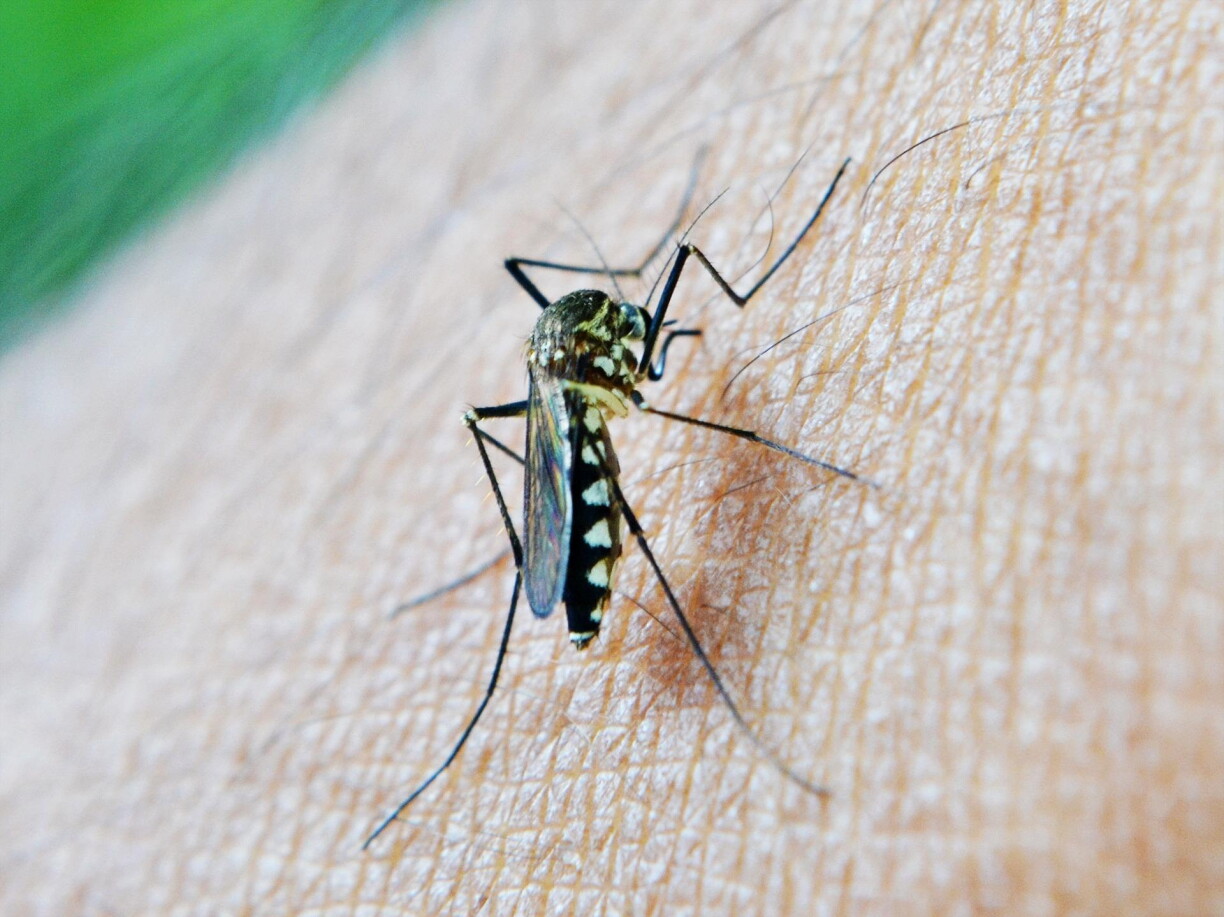
Bonnevoie abuzz – The Asian tiger mosquito has been found several times in Bonnevoie since 2023, indicating that the species may now be established in the neighbourhood. Health authorities confirmed the insect’s presence again this week, following routine inspections. The mosquito is known for its ability to transmit diseases such as dengue fever and chikungunya, making its spread a growing concern for both local officials and residents.
Door-to-door awareness – In response to the repeated detections, Luxembourg’s health inspection service conducted a door-to-door campaign in Bonnevoie on Wednesday. Inspectors visited homes, particularly around Kaltreis Park, to inform residents about the mosquito and explain practical steps to prevent its spread. The main advice focused on eliminating standing water, as even small amounts can serve as breeding sites for the mosquito.
European worries – Recent cases of mosquito-borne diseases are raising concerns in Europe: at Frankfurt Airport, two employees died and four others were infected with malaria, most likely transmitted by an Anopheles mosquito brought into Germany on an aircraft. Meanwhile, North Macedonia has recorded five deaths and at least 43 cases of the mosquito-transmitted West Nile virus, leading authorities to declare local epidemics and intensify mosquito-control measures. Dutch health authorities said Thursday that nine cases of the West Nile virus had been registered in recent weeks, having already reported one death from the disease.
And the French are also having trouble with the tiger mosquito.
The incidents highlight the growing public-health challenge posed by mosquito-borne diseases in Europe, particularly during the peak transmission period from July to September.
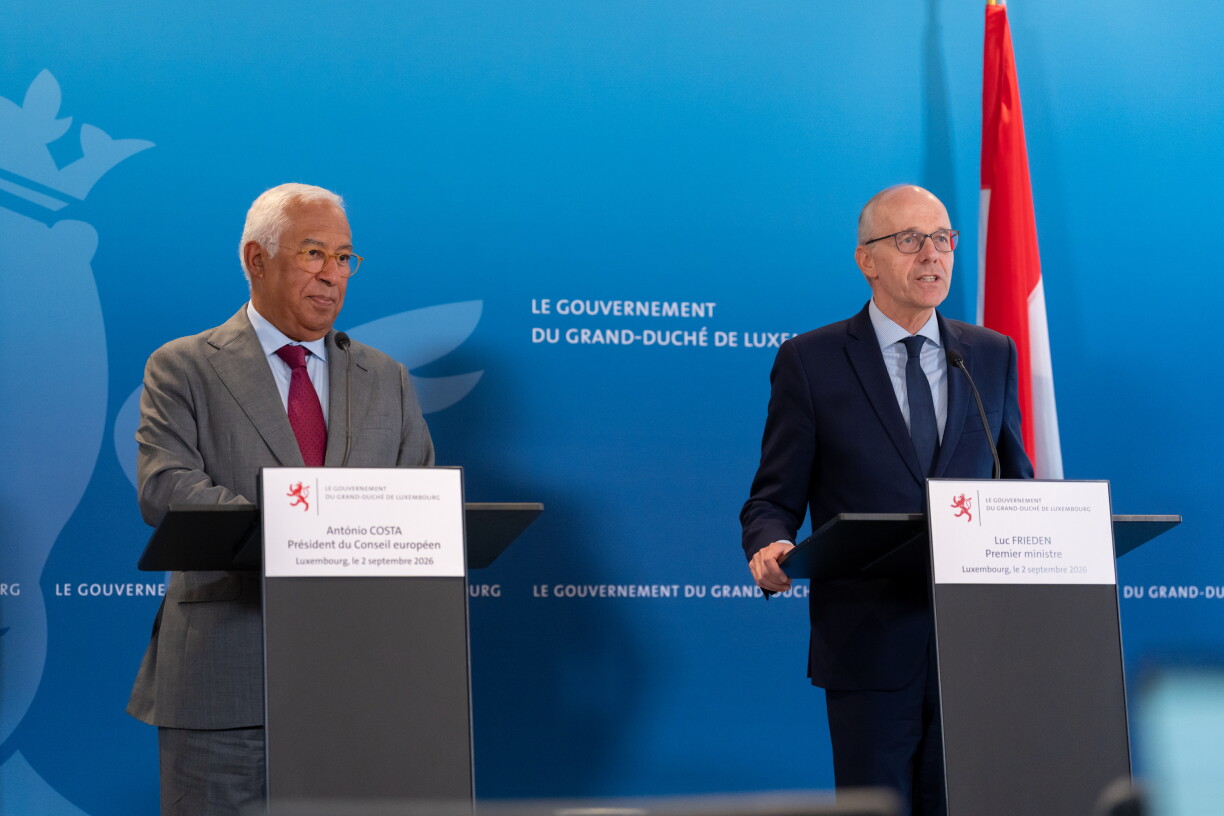
Push for investment union – During their meeting in Luxembourg, Luc Frieden and António Costa emphasised the urgency of reaching a deal on the EU Savings and Investment Union by the end of the year. Both leaders argued that public money alone will not suffice for the investments Europe needs, highlighting the importance of mobilising private capital and reducing red tape to foster innovation and competitiveness.
Budget debates intensify – The talks took place against the backdrop of heated negotiations over the EU’s Multiannual Financial Framework for 2028–2034. Member states remain divided, with so-called 'frugal' countries pushing for significant cuts to the European Commission’s proposed budget and others advocating for increased spending. Costa aims to broker a compromise that balances new priorities with traditional support for regions and agriculture.
Security and Ukraine support – Geopolitical concerns, particularly support for Ukraine and responses to Russian actions, were also on the agenda. Both Frieden and Costa described backing Ukraine as vital for European security. The recent Leipzig airport incident prompted calls for a tougher EU stance towards Russia, though the exact measures remain under discussion as member states weigh their options.

Pointing the finger – German authorities concluded that Russia was behind the attempted hybrid attack at Leipzig airport, where an explosives-laden drone was found near a Ukrainian cargo plane. The device was safely defused by police using a bomb disposal robot. The airport, crucial for military and NATO logistics, has seen increased drone activity, raising concerns about sabotage and espionage targeting Ukraine’s supporters.
Diplomatic and cultural fallout – In response, Germany announced the closure of Russia’s consulate in Bonn and the Russian House cultural centre in Berlin, citing security concerns. Russia retaliated by ordering the closure of several branches of Germany’s Goethe Institute. Both sides summoned each other's diplomats, escalating tensions and highlighting the growing rift between Berlin and Moscow over security and cultural ties. Britain's foreign ministry also summoned Russia's most senior diplomat in the country to condemn what it called an "egregious and reckless attack".
EU and NATO solidarity grows – The European Union and NATO condemned the attack, with EU countries summoning Russian envoys and discussing fresh sanctions targeting Russia’s military industry. Leaders across Europe described the incident as a new escalation and a wake-up call, pledging to strengthen deterrence and consider further restrictions on Russian individuals and entities. Discussions also included increased support for Ukraine’s defence needs.
European spy chiefs worry that Russia's war against Ukraine is increasingly spilling over onto their soil, but Kyiv's Western allies are struggling to come up with countermeasures to halt Moscow's "hybrid" attacks.
Your Weekly Recap is published every Friday at noon.
Read earlier versions here.





