The Luxembourg government offers a range of aids and bonuses designed to give a boost to the country's households. These aids are "precious in times of crisis", argue LSAP MPs Mars di Bartolomeo and Yves Cruchten, who are both concerned that the public might not be fully aware of their existence.
Both MPs raised their concerns in a parliamentary letter to the Ministry of the Environment, Climate and Sustainable Development, which they sent in October 2022. Four months later, they have finally received an answer.
While some of the subsidies are well known, this is not the case for those that fall under the purview of the Water Management Fund. For example, according to the Ministry's figures, aid for the installation of a river water recovery system has only been granted to 24 beneficiaries in ten years (2012-2022). This subsidy is available to individuals, municipalities, as well as public institutions.
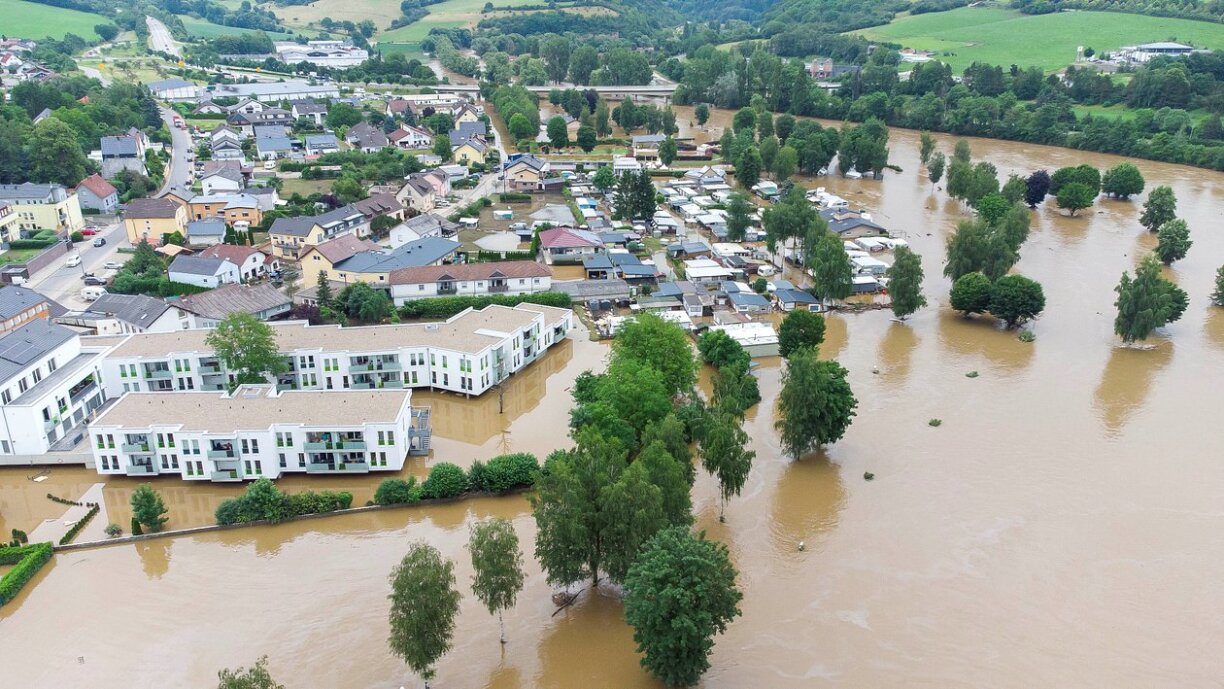
After the floods that have hit the country in recent years, one might think that demand for subsidies for personal protection measures against such disasters would have exploded. However, this is not the case.
The Ministry estimates the amount of aid paid to individuals at just over €89,600 over the last ten years. In concrete terms, only ten requests were met between 2012 and 2022. Yet the state covers up to 90% of the cost of measures to reduce the effects of flooding and up to 100% of the cost of studies and "related expenses".
Finally, as far as the state subsidies for the maintenance of watercourses are concerned, only two beneficiaries were entitled to them between 2012 and 2022. However, aids can cover up to 75% of development and maintenance costs. This aid can also be granted to individuals, municipalities, and public institutions.
Both LSAP members suspect that most of these aids remain relatively unknown: "Some grants seem to be unknown or not applied for or granted for various reasons", they wrote in their parliamentary letter. As only ten applications have been refused "for reasons of non-eligibility" in ten years, it is likely that the public and even the municipalities are not aware of this.





