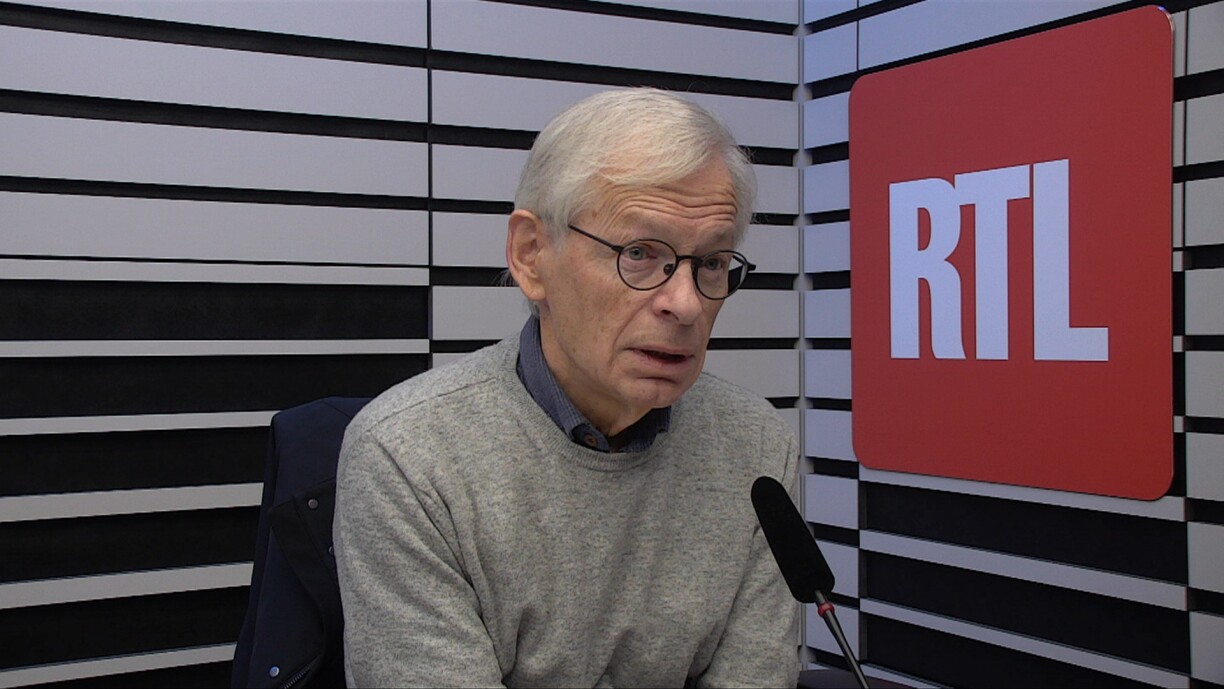
Dr Thill explained that access to healthcare is a human right and that there is still room for improvement in that aspect in Luxembourg.
Since April, five non-profits have worked on the pilot project CUSS, which stands for universal healthcare coverage and which also helps people who lack identity papers. However, only 100 patients are said to have benefitted from the project so far as the procedures are considered too complicated. An evaluation of the initiative will be completed in January, with the aim of eventually simplifying the administrative steps required.
Overall, the number of patients treated by Doctors of the World has increased, particularly due to Covid-19 and migration. While around 1,500 people received help in 2021, that number is estimated to have doubled since then.
6% of patients are from Luxembourg, while the rest hail from eastern Europe and northern Africa.
Over the weekend, the organisation presented its first observatory report on access to healthcare in Luxembourg. Dr Thill described "shocking" findings, noting that there is a great number of people living in Luxembourg for more than ten years without papers.
92% of the 1,500 patients treated in 2021 were illicit workers at risk of exploitation and modern slavery, argued Dr Thill. Women in particular live in dangerous situations and are often exposed to violence and abuse. As a wealthy country, Luxembourg should be able to prevent that from happening, the physician concluded.
In light of next year's elections, Doctors of the World demands that the CUSS project receive a legal basis so that progress is not at risk of being lost should the administration change.





