Until now, the museum mainly displayed historical tools used in viticulture. The renewed concept goes far beyond that: visitors will be able to immerse themselves in the story of Luxembourgish wine–its history, regions, and grape varieties.
Steve Reckel, new president of the Entente touristique de la Moselle luxembourgeoise, shared the plans with RTL Radio on Monday morning. The Entente operates both the Wine House and the Princesse Marie-Astrid cruise ship.
The current version of the Princesse Marie-Astrid – the third of its name – is now 15 years old. Previous versions of the ship have played a symbolic role in European history, most notably when the Schengen Agreements were signed aboard the second iteration.
Though it has surpassed the typical 10-year replacement cycle, the ship remains in excellent condition. Last year, maintenance work worth €80,000 was carried out.
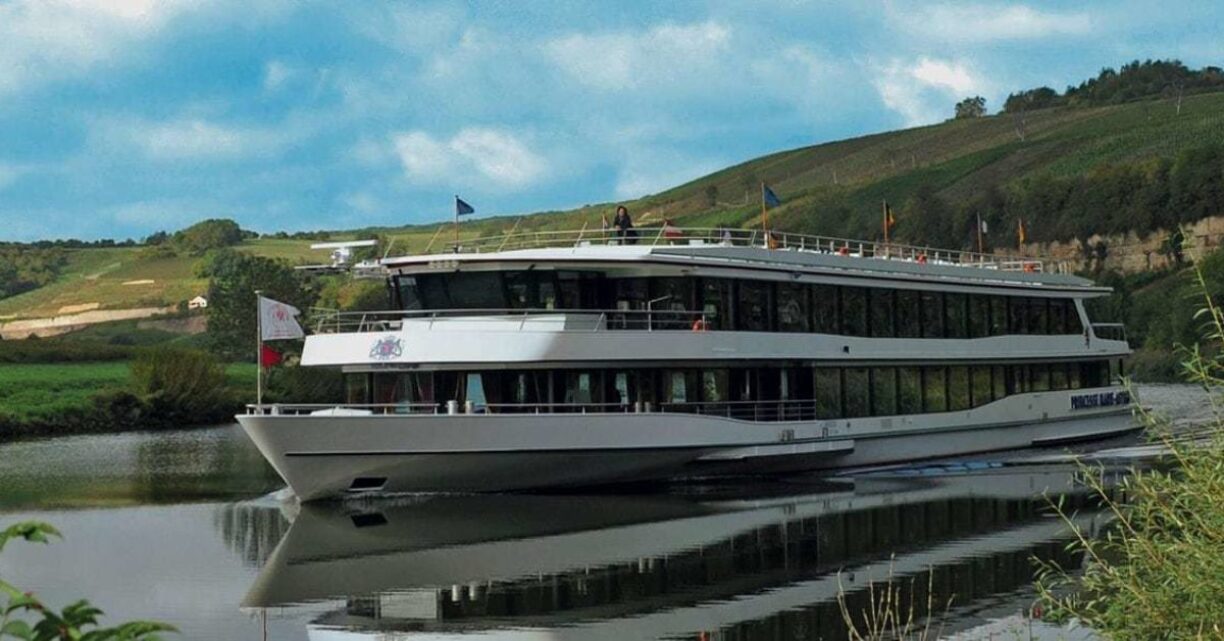
The Marie-Astrid has been profitable for the past three years, generating €400,000 in profit this year alone – thanks in large part to a shift in strategy. Rather than focusing solely on tourist cruises, the Entente has leaned into private events and targeted marketing, which has improved both revenue and planning stability.
The ship currently employs 19 staff members, with two additional people handling administration. However, Reckel cautioned that to retain skilled workers in the future, some of the profits must go towards improving wages. “The working hours on the ship aren’t exactly standard for the hospitality sector,” he noted.
At present, member municipalities contribute €2 per resident to the Entente’s budget – a modest sum, but enough to maintain current operations. However, should the organisation decide to invest in a new ship within the next three to five years, a significant increase in funding would be necessary.
Reckel also suggested that the state may need to co-finance such a project, but that would ultimately depend on decisions from the Ministry of Tourism.
Currently, the Princesse Marie-Astrid is self-sustaining, but the future Wine House would require subsidies to operate – funding the non-profit cannot provide on its own.





