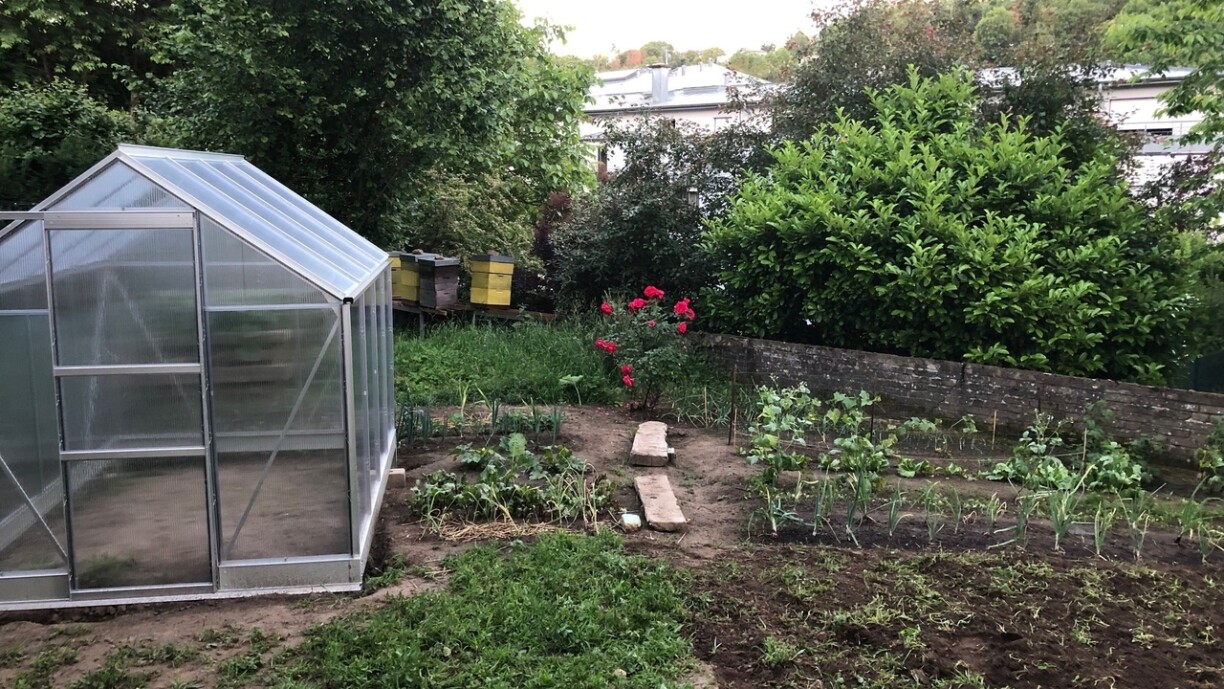
The incoming legislative bill has already caused a major stir, especially between the Ecological Movement (Mouveco) and the "Lëtzebuerger Landesuebstbauveräin", the association bringing together Luxembourg's professional fruit growers.
Blanche Weber, President of Mouveco, explains that while the organization supports the bill, they are dissatisfied with the absence of clear criteria outlining the cultivation methods to be used in these greenhouses.
Weber added: "In greenhouses, this can either be done sustainably, without pesticides and with reasonable energy and water consumption, or in a problematic way, using excessive energy and water and pesticides. There seems to be a consensus in Luxembourg to increase fruit production responsibly. If that’s the case, it should be clearly stated in the law. This is a matter of transparency, honesty, and legal clarity."
A further criticism is that the law would only promote the construction of larger greenhouses. However, the "Landesuebstbauveräin" disagrees as they believe the law complements the current agricultural law, which focuses on promoting small and medium-sized businesses. The president of the Landesuebstbauveräin, Jean-Claude Muller, also disagrees with the notion that large greenhouses are problematic. On the contrary, greenhouses need to be of a certain size in order to be profitable.
Muller explained: "On the Belgian border, we have a one-hectare greenhouse, which will now be expanded to another hectare. This size allows us to remain profitable while keeping the greenhouse manageable. Our real problem is that we can’t keep relying on greenhouses along the border to supply Luxembourg. As a country, we should also benefit from this technology and support our agricultural sector."
These greenhouses could and would be run water- and energy-efficiently and largely without pesticides, according to Jean-Claude Muller. However, he does not consider it necessary to write these details into law.





