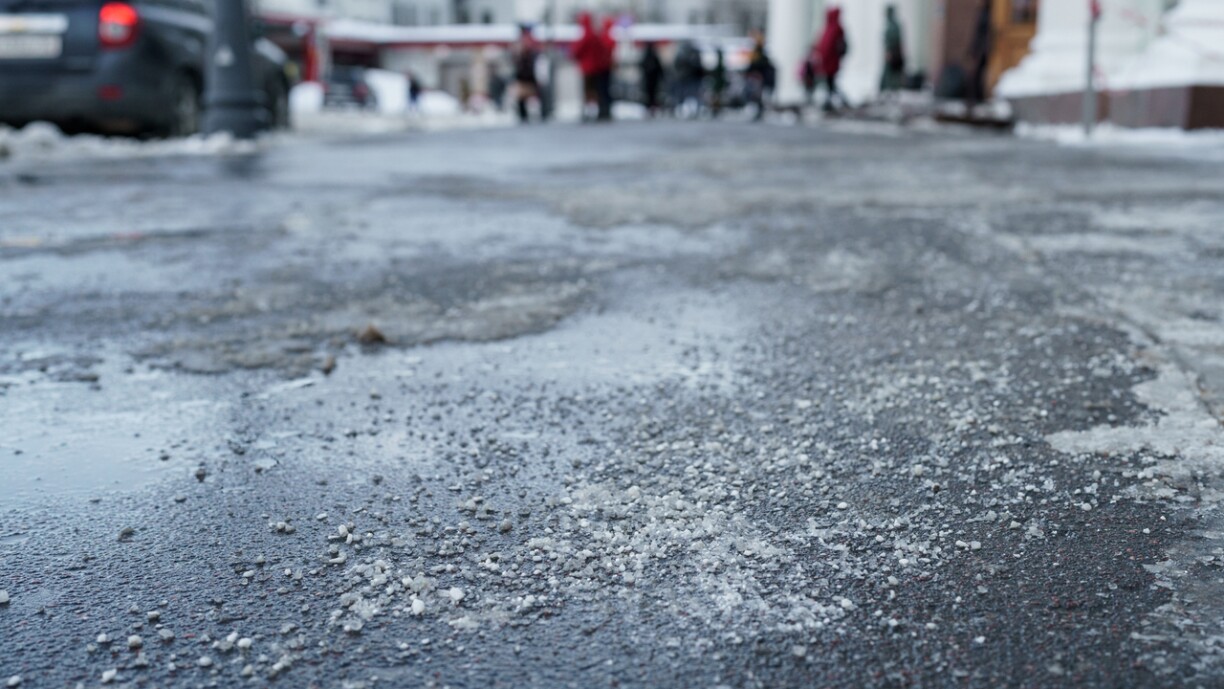
According to Environment Minister Serge Wilmes, there is "no effective alternative to road salt" for winter safety. He offered reassurances that the environmental impact remains limited, with salt levels in waterways staying below established thresholds.
The statement came in a parliamentary response to a question from Christian Social People’s Party (CSV) MP Charles Weiler, as another cold weekend approaches. Wilmes acknowledged that de-icing can pose environmental challenges, but emphasised that after decades of research, no comparably effective and fully eco-friendly alternative has been identified.
The minister outlined several monitoring and mitigating factors. The location and quantity of salt used are analysed annually, he said, and its impact is typically limited. While excessive salt can harm nature, humans, and animals, such levels are rarely reached with standard de-icing operations.
Soils are generally affected only by very high concentrations directly adjacent to roads, and even then, the effect is temporary. Winter rains in Luxembourg quickly wash the salt away, and most plants are less sensitive during their dormant season.
Wilmes did note one established risk: salt can attract wildlife such as deer and birds, potentially increasing road accidents, though no specific data is available. Similarly, while roadside trees may suffer reduced lifespans from salt exposure, no comprehensive studies on the subject exist in Luxembourg.
Regarding water sources, the minister stated that salt concentrations in both waterways and drinking water remain within permissible limits, even during winter months.





