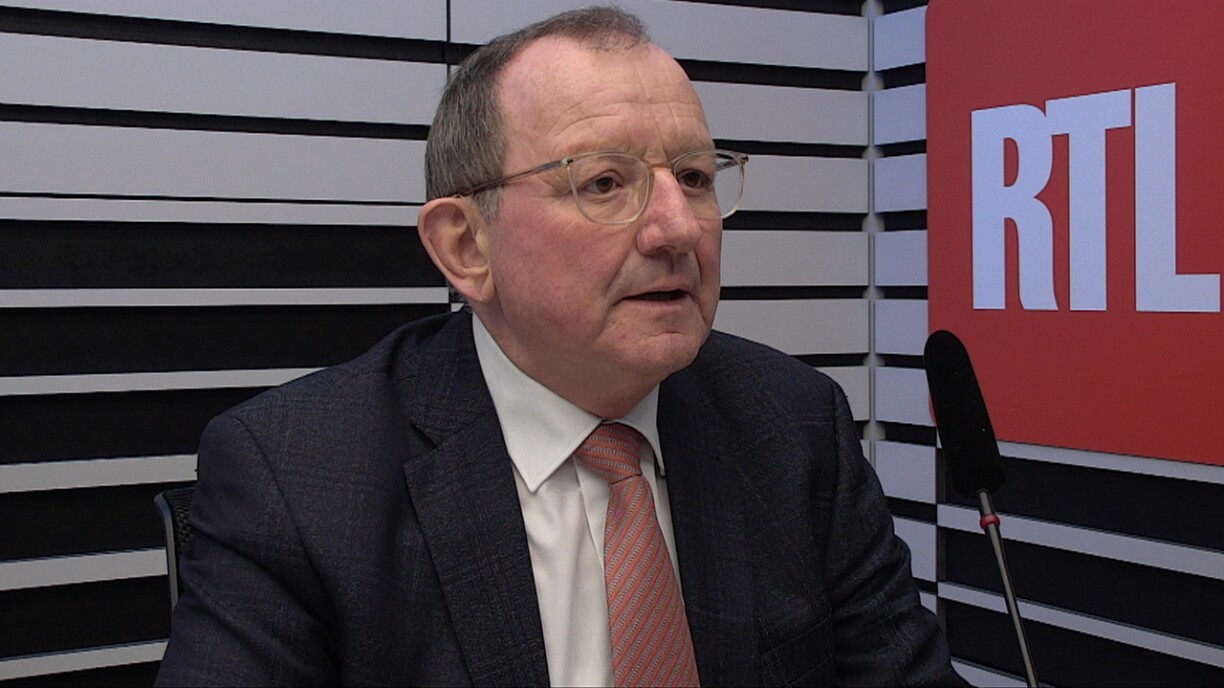
Etgen began the interview by stressing that political differences between coalition partners should not be fought out in public: "When I left the administration, I took the resolution of not criticising my former administration colleagues."
When asked about former LSAP minister Dan Kersch's recent criticism on Prime Minister Bettel's New Year's interview, Etgen explained that as president of the Chamber he prefers to discuss the future political orientation of the legislative body.
"We have not yet entered the election battle", cautioned Etgen in regards to the two campaigns poised to unfold in 2023. He argued that it is more useful right now to focus on actual political work in the Chamber before thinking about campaigning given that there is still "a lot to do".
Left on the agenda of the current administration are 137 draft laws, four orienting debates, three consultative debates, 18 interpellations, and eight sessions on current affairs.
A number of important laws, such as measures on housing, the Youth Protection Act, and the agricultural law, will be at the centre of those debates.
Etgen was also asked about a supposed loss of control during an incident in the Chamber of Deputies in December last year when MP Fred Keup from the Alternative Democratic Reform Party (ADR) called Minister of the Economy Franz Fayot a "fool" after the latter labelled the ADR as "right-wing extremist".
Etgen disputed this allegation and emphasised that he has to differentiate between criticism on political ideas versus people. One is a question of discipline, the other of content, said Etgen.
If a confrontation is about political content, then factions receive the chance of rectifying a statement, which is what MP Kartheiser did, elaborated the DP politician. However, if a person is insulted during a session, then Etgen has to draw a line as Chamber president.
He acknowledged that the regulations of the legislative body are "ambiguous", which is why he recently commissioned a 'scientific task force' with reinforcing disciplinary rules and launched an appeal to return to the Chamber's usual and respectful tone.
Technically speaking it is possible to make Chamber commissions accessible to the public, explained Etgen. He thinks that a selection of commissions might be chosen to initiate a first phase towards increased transparency and is generally open to the idea.
Etgen said that parliament is a place designed for civic engagement and praised increased participation by the public via petitions. Nevertheless, more might also be done in that area, concluded the DP politician.





