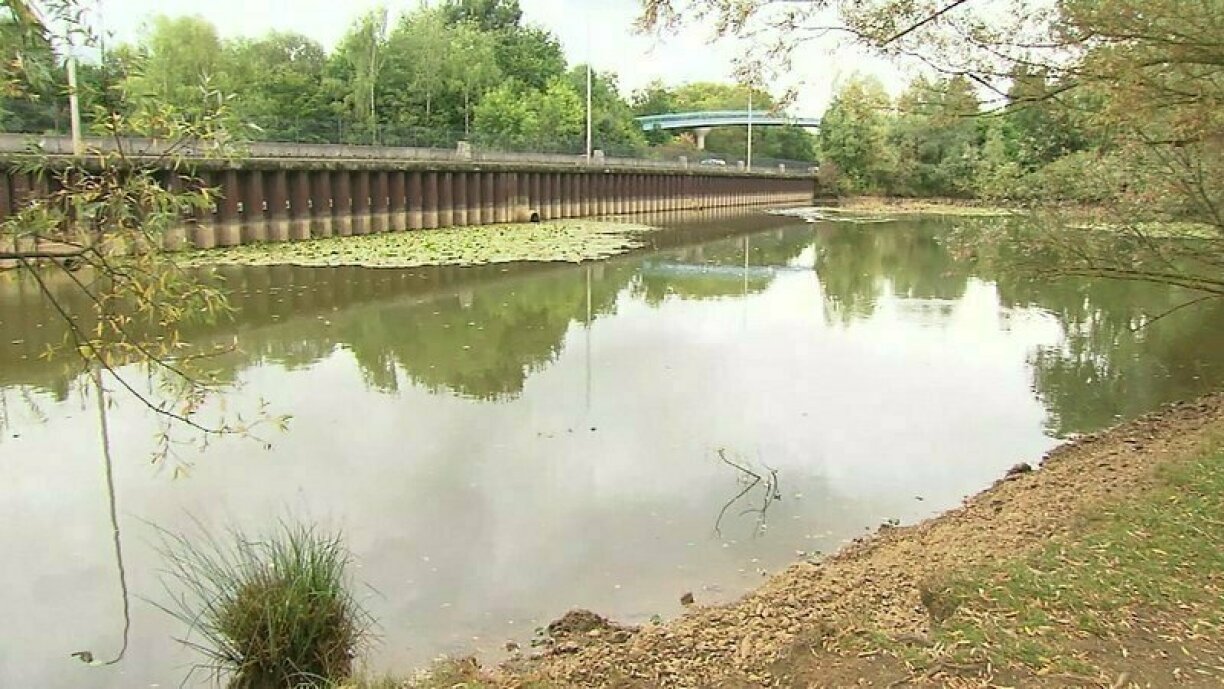
Bianka Bisdorff was reported missing in July 2015, when she was just a month old. Her mother, who was known to child protective services and had lost custody of her other children, was the main suspect in her disappearance. The trial, during which the suspect was absent, concluded in December. A verdict will be announced on 8 February.
"No one will ever see Bianka again", a sentence uttered by the mother of the missing child when I met with her a few months ago and which continues to preoccupy me.
After many thoughts and conversations, I have decided to write about the case.
But, let us start at the beginning. When in 2015 the baby from Pétange was reported missing, I had only been a journalist for a short period of time. Ever since I have been preoccupied by the case and, despite few known elements, a number of journalists in our office tried time and again to shed light on this tragic and sinister case.
We tried several times to establish contact with a key person: the then-partner of S.B., who still lives together with her in an apartment in Pétange to this day. (After 14 months, Bianka's mother was conditionally released from detention.)
On 13 June, two days prior to Bianka's seventh birthday, I once again tried to reach the man. Unexpectedly, I received the following message: "Come to Pétange, I will be at the train station." An opportunity for which I had long waited.
In Pétange, I immediately recognised the man as I had already seen pictures of him. We talked in a bar for a long time, time and again he stated that he didn't know anything. He said he did not know whether Bianka was still alive or where she might be if she was. Suddenly, he said: "Do you want to meet her mother?"
Shortly thereafter I found myself sitting in a small apartment. Up until this point I didn’t know that S.B. still lived with him. He is not Bianka’s father, as they were no longer a couple when S.B. became pregnant.
It didn’t take long before she arrived. I had only seen a single photo, through which it was difficult to make out what she actually looked like. She is in her late 30s and carrying the marks of a hard life, and the day we met she appeared heavily intoxicated by alcohol and drugs.
I immediately identified myself as a journalist and expressed my interest in talking to her about Bianka. In response, S.B. asked me why I was even interested in her.
There is a question I have been asking myself for years now: where is Bianka? And is she still alive? During the trial, which came to a close at the end of 2022, it became clear that there was no evidence to suggest Bianka was still alive despite a thorough investigation.
The meeting I’m describing here took place before the trial. Even then, S.B. told me that she didn’t care, that she wouldn’t go to court, and that she wouldn’t be represented by a lawyer.
S.B. got a bit emotional when I asked about the searches that took place around the ponds in Linger. She was amused by the whole endeavour and said she never really understood it. She did admit that she had been by the ponds with Bianka.
The baby’s DNA was found in a nearby ruin that they had allegedly visited regularly. She didn’t want to answer the question of whether she had done something to Bianka at the location in question.
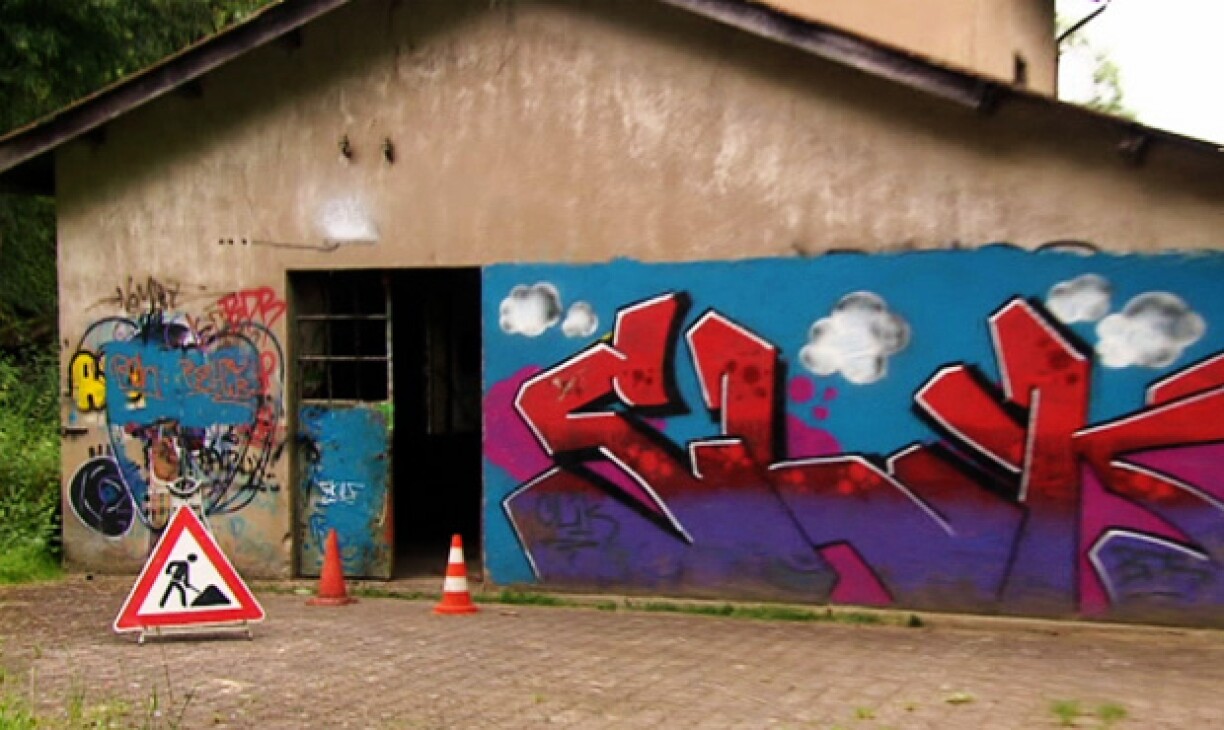
We spoke for over an hour, during which I kept asking the question "is Bianka still alive?". At one point she told me that Bianka was with a friend not too far from where we were. When I suggested that we head over there so that I might see her, S.B. responded: "If you ask about her, she will not be there anymore."
The discussion continued going in circles. S.B. stated that she had done what she did to ensure that they wouldn’t place another of her children into protective custody – but she didn't say what she had actually done. Cryptic sentences along the lines of "one thing is for sure: no one will ever see Bianka again" were uttered, and further questions were met with a lack of concrete answers.
I have but one takeaway from all off this: in all likelihood, no-one will ever see the child again.
The prosecution believes that the child is no longer alive and recommends 15 years in prison for the mother. The trial lasted two weeks. A body was never found and only few concrete facts established.
The owner of the apartment told me that mail addressed at Bianka is arriving to this day. During the trial, it became clear that people in the mother's environment realised early on that Bianka was not cared for properly.





