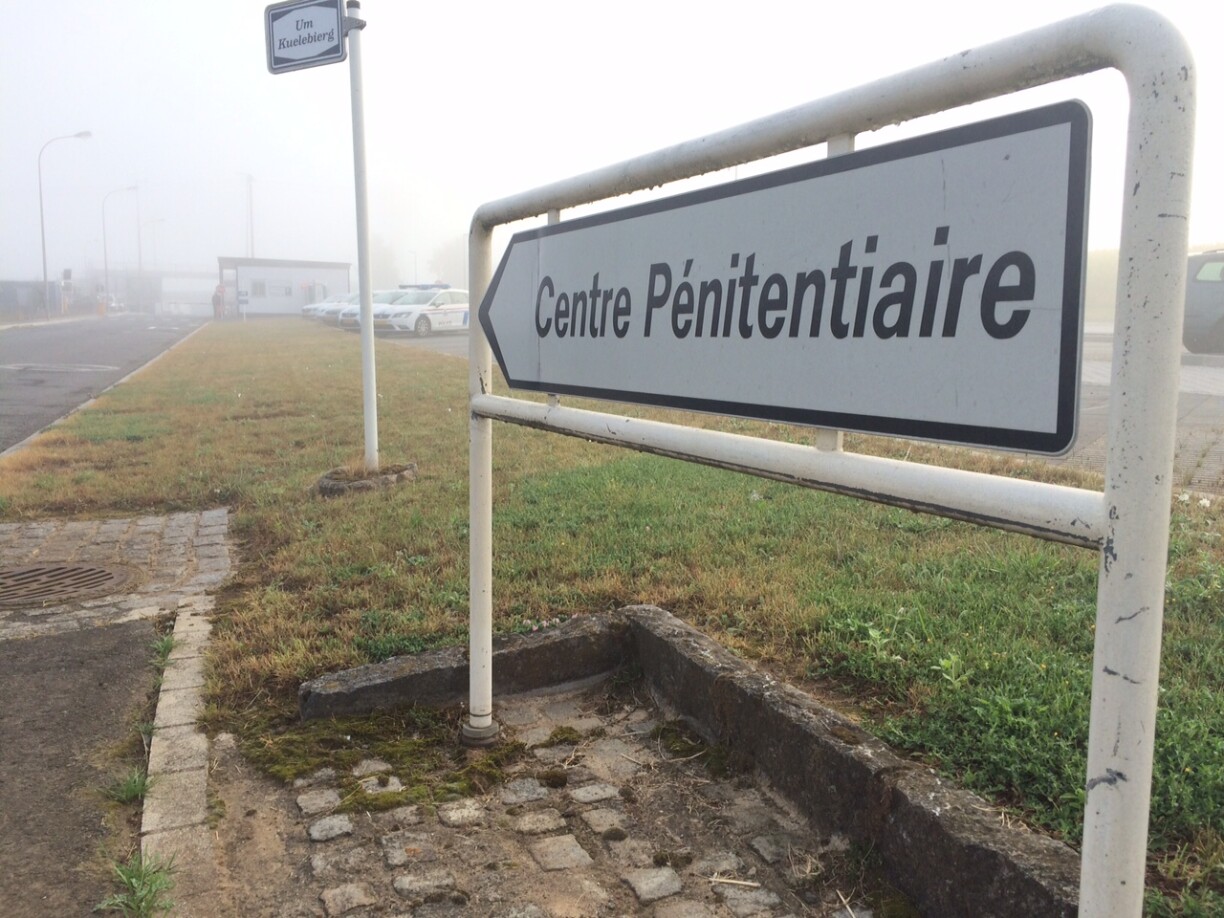
Djennas explained that despite tighter Covid restrictions, the situation inside the country's prison has not become more tense. When asked about recent criticism from a prisoners rights organisation about reduced visiting times, the AAP president showed little understanding and explained that every person has suffered through periods of isolation since the beginning of the pandemic, such as residents of senior and care homes, for instance. Furthermore, the Schrassig facility did everything to guarantee as many visits as possible, and also offered video calls.
Djennas further argued that the training of guards needs to be revised. At the moment, they are treated like administrative careers, which reflects in the training procedures. He lamented a lack of practical workshops and field operations, and further argued that people need to be prepared for every eventuality, including fires and revolts.
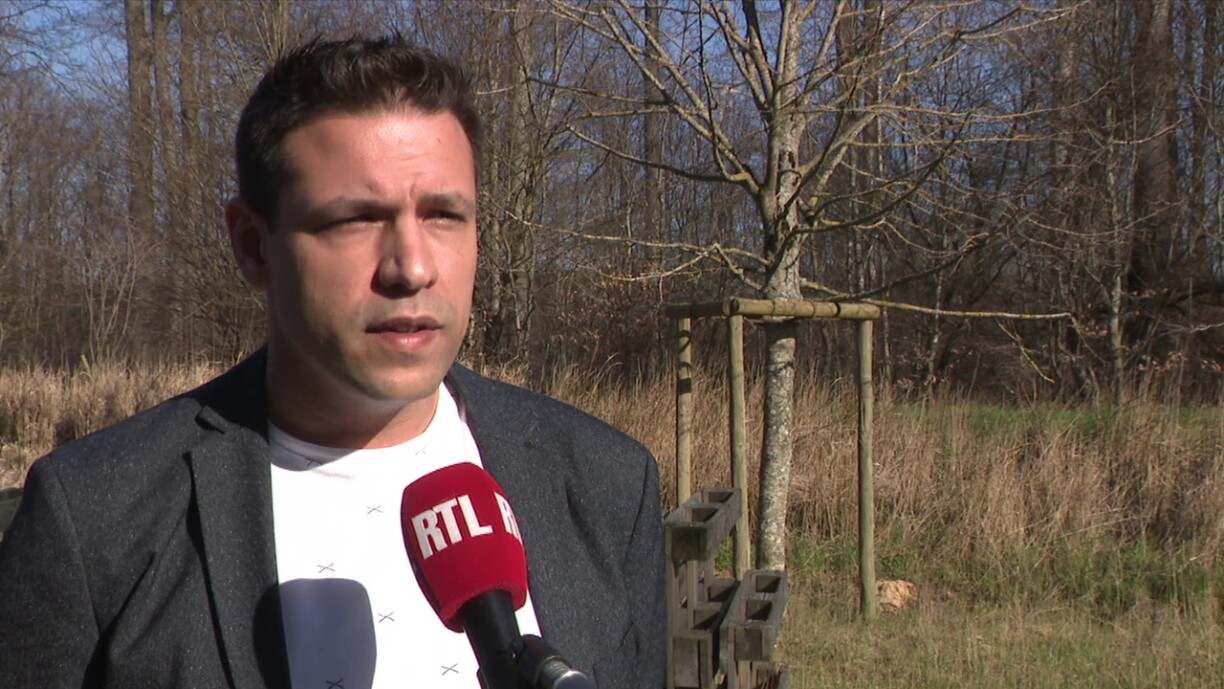
The AAP president also stated that there is a danger for staff shortages. A little more than 410 employees currently work at the Schrassig prison, out of which three quarters are fully vaccinated. In light of the planned facility for investigative custody at "Uerschterhaff" near Sanem, a further 200 people need to be recruited, Djennas argued.
When asked about the proposal to hand over the transportation of prisoners to guards instead of police officers, Djennas expressed support for the idea. However, this will also affect recruitment, as well as training procedures of new guards, he explained. Furthermore, legal questions would have to be resolved to allow guards to carry a weapon outside of the prison, or drive with a police siren.
At the moment, 551 inmates live in Schrassig, out of which only 26 are women. Out of those, twelve were sentenced, which makes them eligible for work inside the prison. Due to this low demand, it is difficult to create a more diverse job offer, Djennas concluded. Nevertheless, he hopes that with the opening of the Uerschterhaff facility, the situation may still improve.





