Luxembourg has not imposed a sanitary pass on sports club members in order to resume an activity.
People who have been vaccinated (or have a valid PCR test certificate or certificate of recovery) can access sports facilities, whether they are members of the public or sports teams.
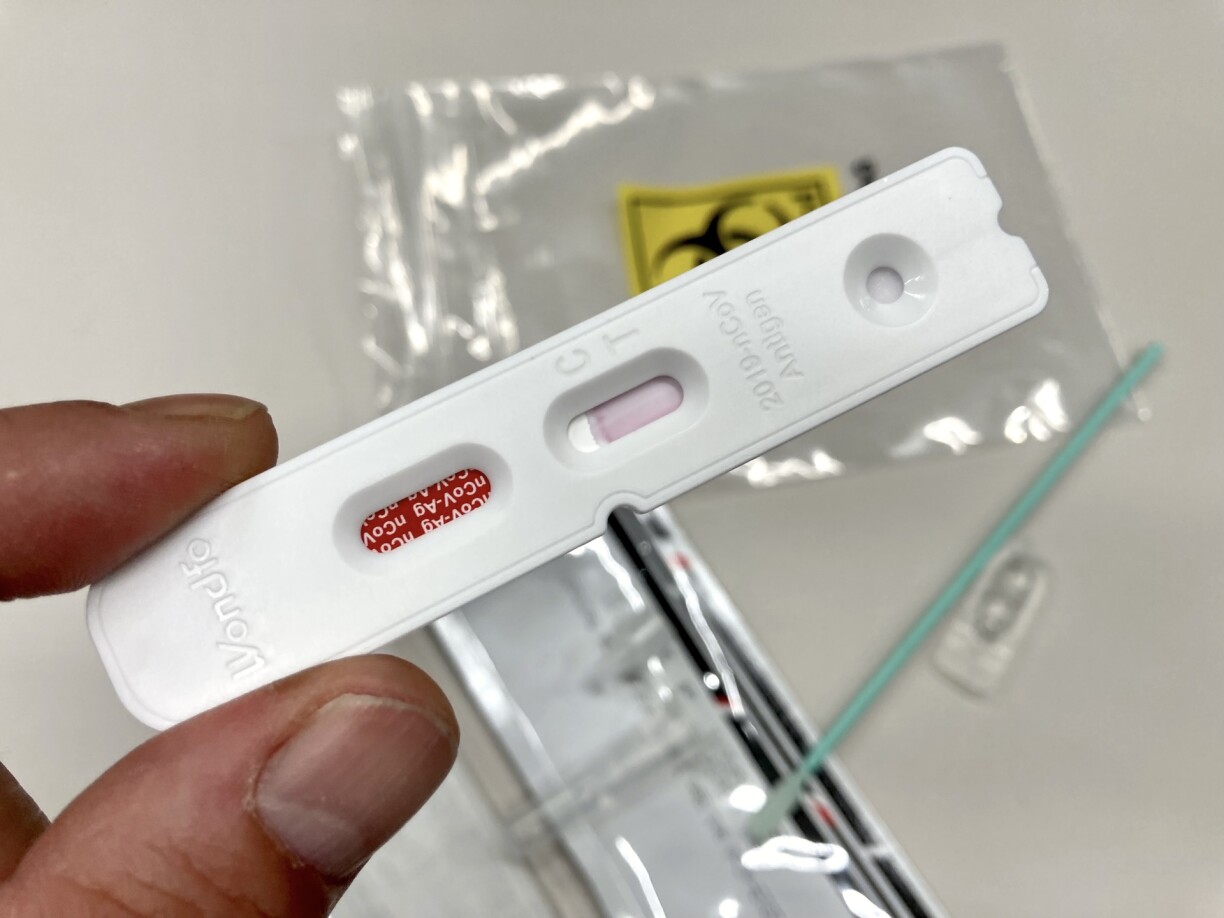
For non-vaccinated individuals, or those without a PCR test, participation in sports competitions requires a self-diagnostic test carried out on site, with a negative result.
This system implies that the clubs must organise and assign a delegate who will control this procedure.
For now, the sports clubs are satisfied, according to Tom Majerus from the national competitions department of the Luxembourg Football Federation. The system is working well, explains, especially as more people are getting the jab. They still need Covid-19 tests, which can be provided by the Ministry of Sports on request.
The clubs are even allowed to charge spectators for the self-tests (if they are not provided by the ministry), which also brings in a bit of money.
Three euros for a self-diagnosis test was the price paid by unvaccinated spectators who went to a cycling race organised by the SaF Cessange last Sunday. A tent was set up for this purpose.
While some people in France complain about the compulsory health pass, Majerus recognises that the advantage of Luxembourg is the country's small size.
In a country like France, there is a lot of travel and the risk is
high that trips and matches are cancelled. The possibility of doing a self-test makes life much easier. But the risk is to have players standing at the gates of the stadium.
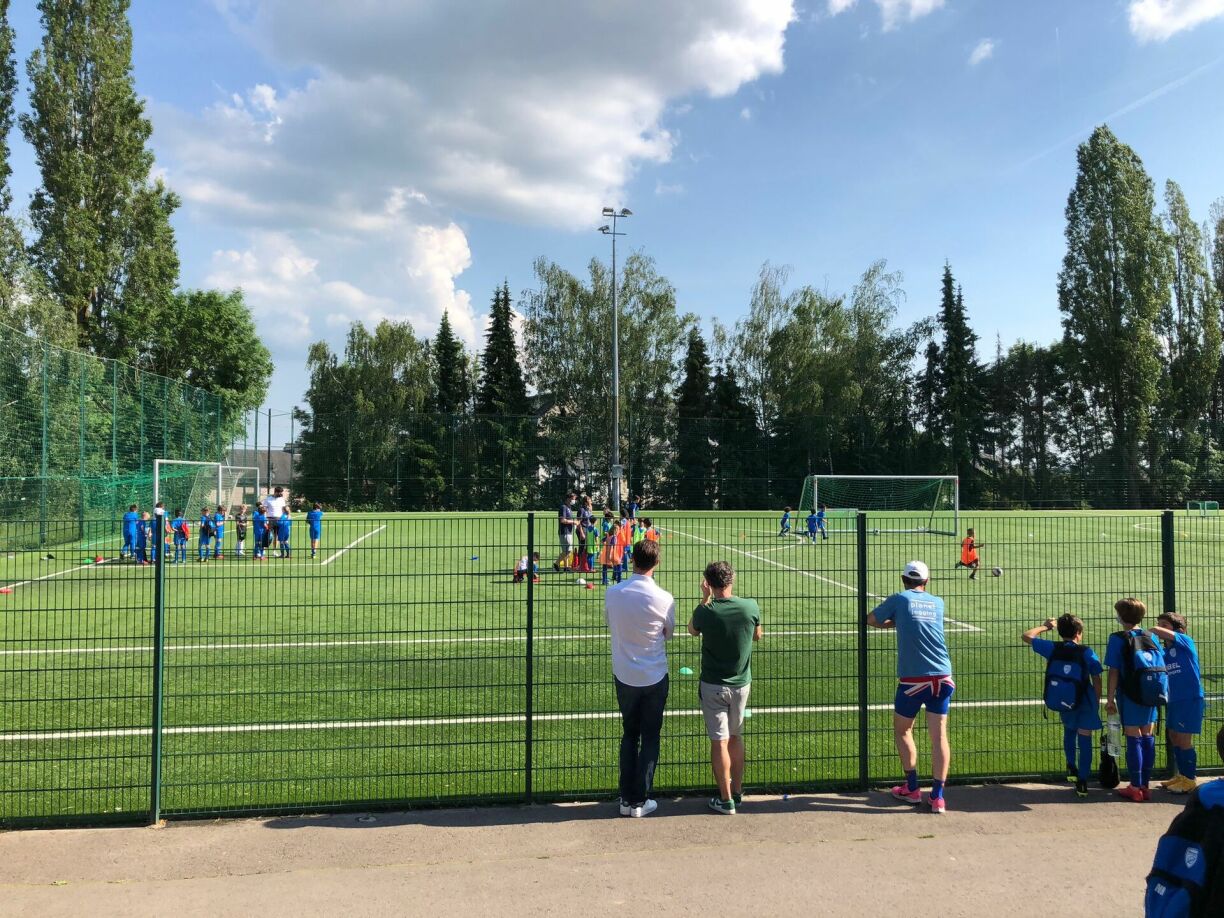
This weekend most amateur sports matches will resume. A sport like football mobilises a large number of people for each match: players, coaches, delegates, and so on.
As soon as three players test positive, the match is cancelled and the players are contacted by the Ministry of Health. They receive a letter of isolation for a period of ten days.
The procedure applies to sportsmen and women, such as coaches, technical staff and other people on a match sheet, and even to judges and referees in contact with sportsmen and women. It is specified that the validity period of a PCR test is 72 hours, whereas that of an antigenic test is now 48 hours.