A recent article higlighted the growing commotion caused by crows in Luxembourg City. In response, the City Council is planning measures to manage crow populations in urban areas such as Cessange Park, Gasperich, and Merl. Proposed actions include removing nests and trimming tree tops in different parts of the city, primarily for hygiene reasons.
At the same time, the municipality is looking beyond short-term solutions, with proposed actions including the municipality allowing crows to live in the city without causing any trouble.
To know more about the problem, RTL Today contacted Centre Ornithologique from Natur&Ëmwelt.
First off, the species of crows that are causing the ruckus are called "Rook" (Corvus frugilegus) or "Corbeau freux" in French, Natur&Ëmwelt precised.
Rooks are a highly "social species" and "visit their roosts and nesting sites in large groups". These large colonies, often located along streets, can become quite lively when many enter or exit their nests, which sometimes causes a noticeable commotion.
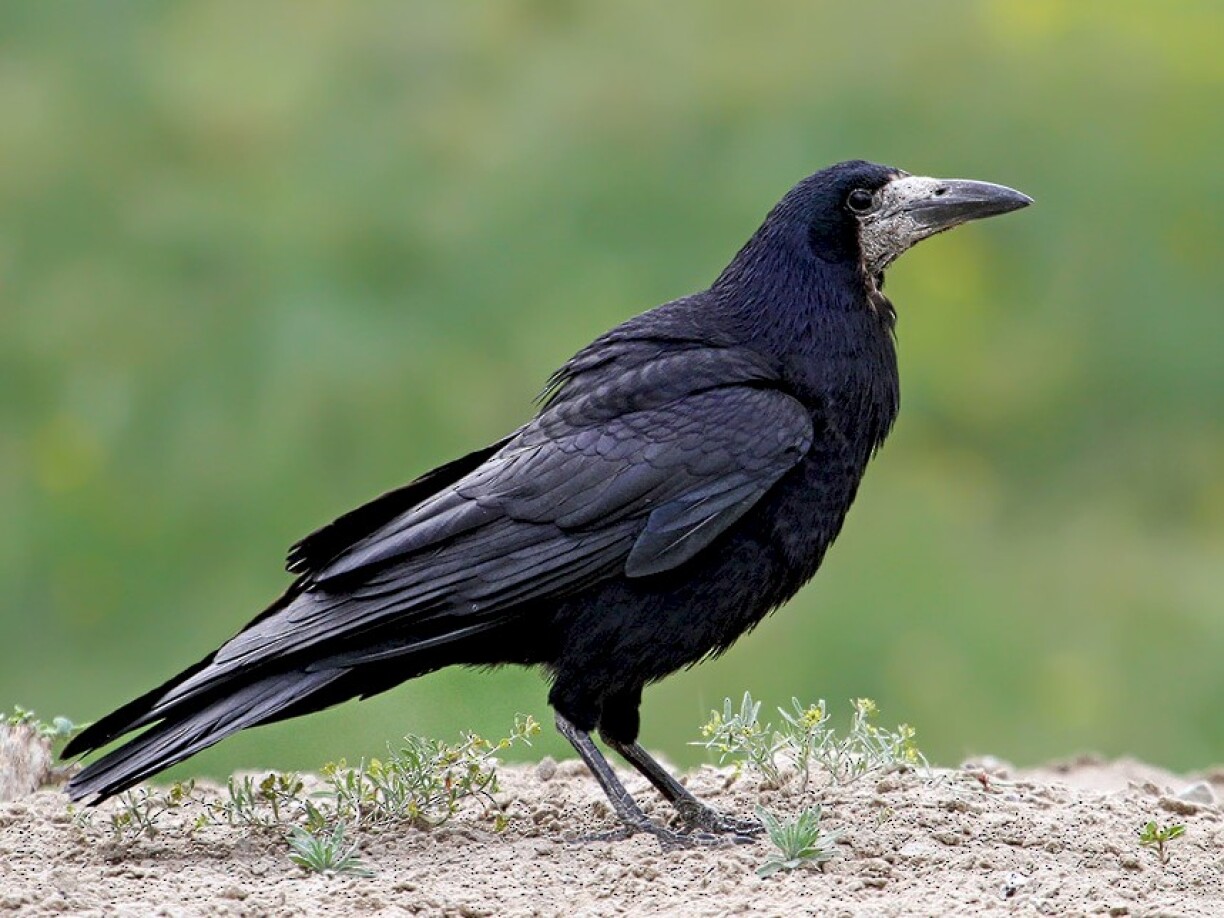
Unfortunately, according to Natur&Ëmwelt, many of the nesting sites were destroyed in the past due to tree felling, resulting in the birds' displacement and the "splitting up and dispersion of the birds throughout the city of Luxembourg". What's more, the rooks have become "accustomed to city life" and "easily accessible garbage" makes it easier for the birds to find food.
While it seems like Luxembourg has an "overpopulation of crows", Natur&Ëmwelt precises that that is inaccurate.
The solution? Natur&Ëmwelt believes that a "well-developed and, above all, well-implemented management plan" can help solve the problem. According to them, "the Peregrine falcon" and the "Eurasian eagle-owl", the two other birds omnipresent in the city, are known to hunt Rooks. "Better support and protection of these birds of prey, as well as a better management system of existing nesting sites, can help calm the situation," Natur&Ëmwelt articulates.
Last, but certainly not least, Natur&Ëmwelt confirmed that all wild birds in Luxembourg, along with their eggs and nests, are under protection protected.
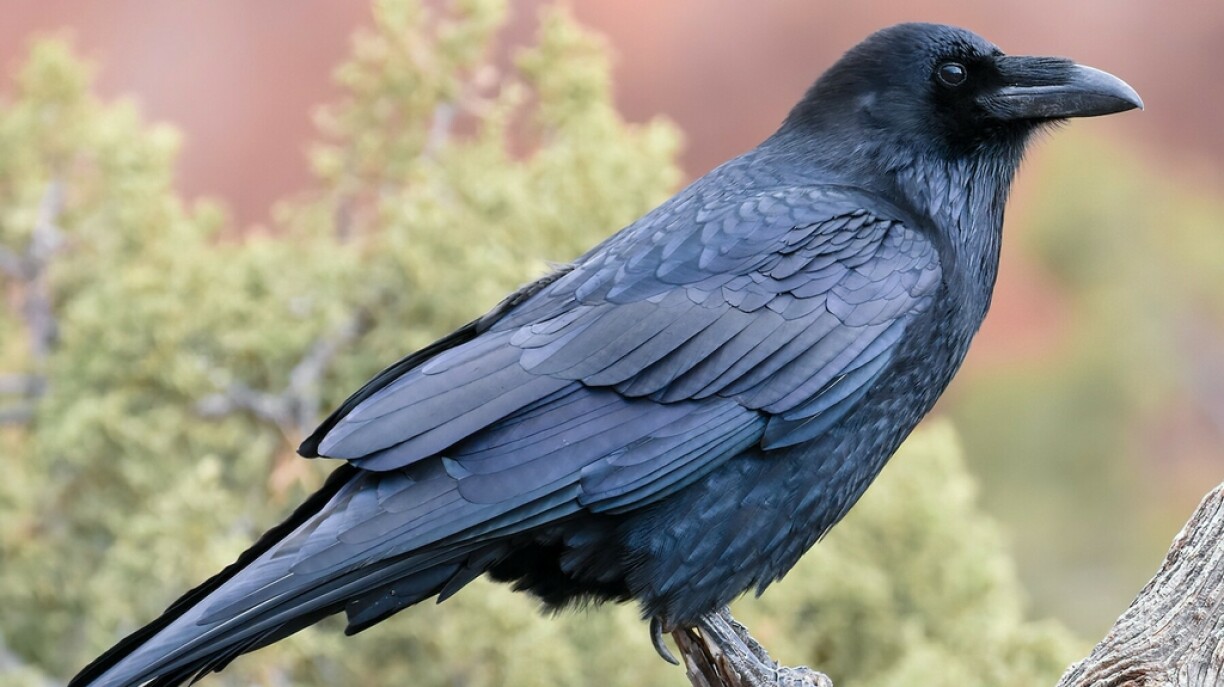
Many might wonder what the difference is between a crow and a raven... Natur&Ëmwelt helped shed some light on that matter!
Both crows and ravens belong to the same bird family known as "Corvidae". According to Natur&Ëmwelt, "ravens are usually used to describe the birds of this family that are significantly larger than their crow cousins". Nevertheless, "crow" and "raven" are used to describe "all sorts of different bird species of the Corvidae family and have no scientific/taxonomic meaning".
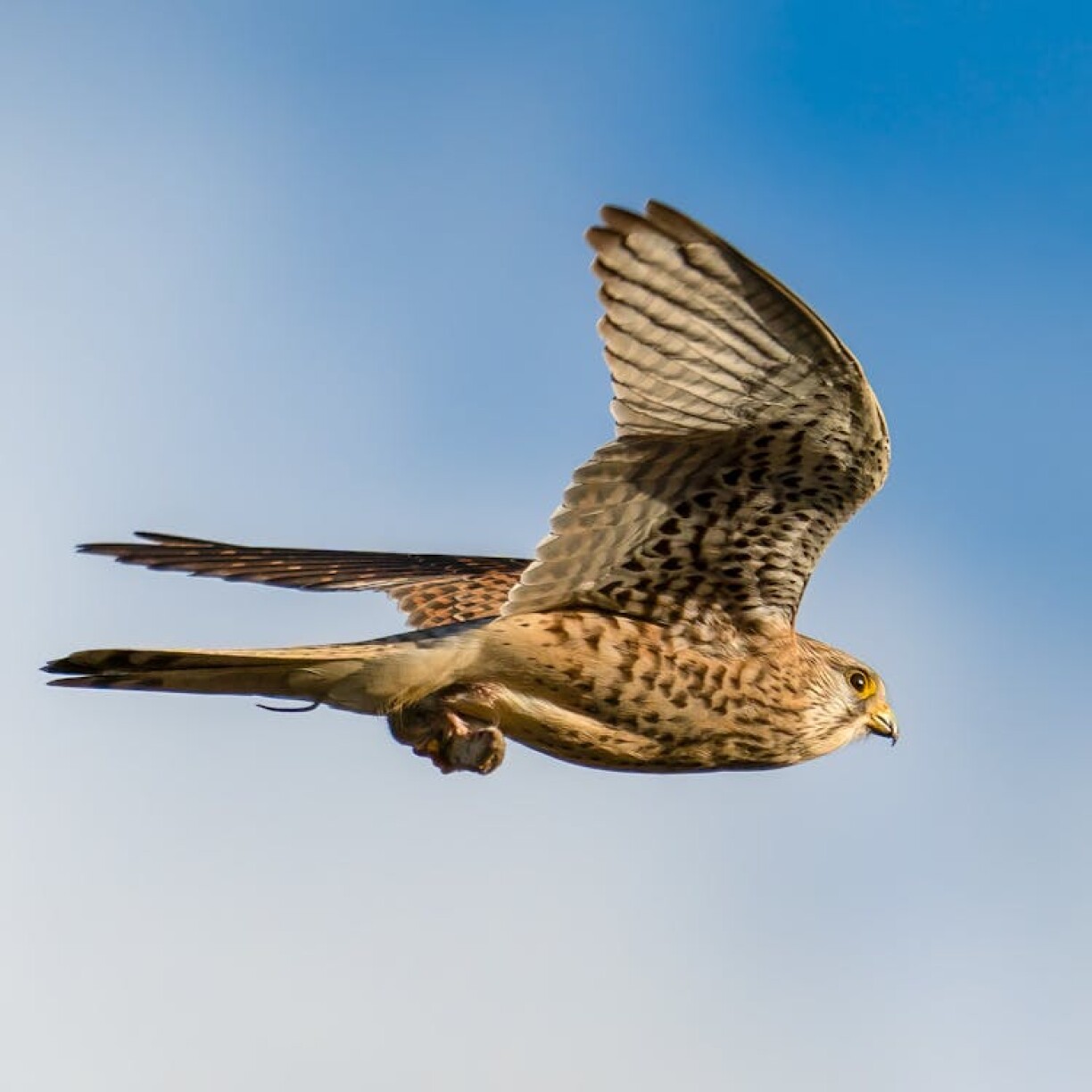
Luxembourg may be small but it does have a few "giants" - a slight exaggeration, perhaps, yet impressive at the same time. Three mouse-eating predators that are constantly gliding over our fields are common buzzards, red kites and kestrels. All three birds glide majestically though our skies, so it's well worth looking up when driving through country roads - you might just catch one hovering or circling overhead!
And that's not all. Thanks to Luxembourg's central location in Europe, the country occasionally welcomes unexpected avian visitors that may have slightly skewed off path. From vultures to eagles, you'll be surprised to see what type of winged creatures we have on our borders.
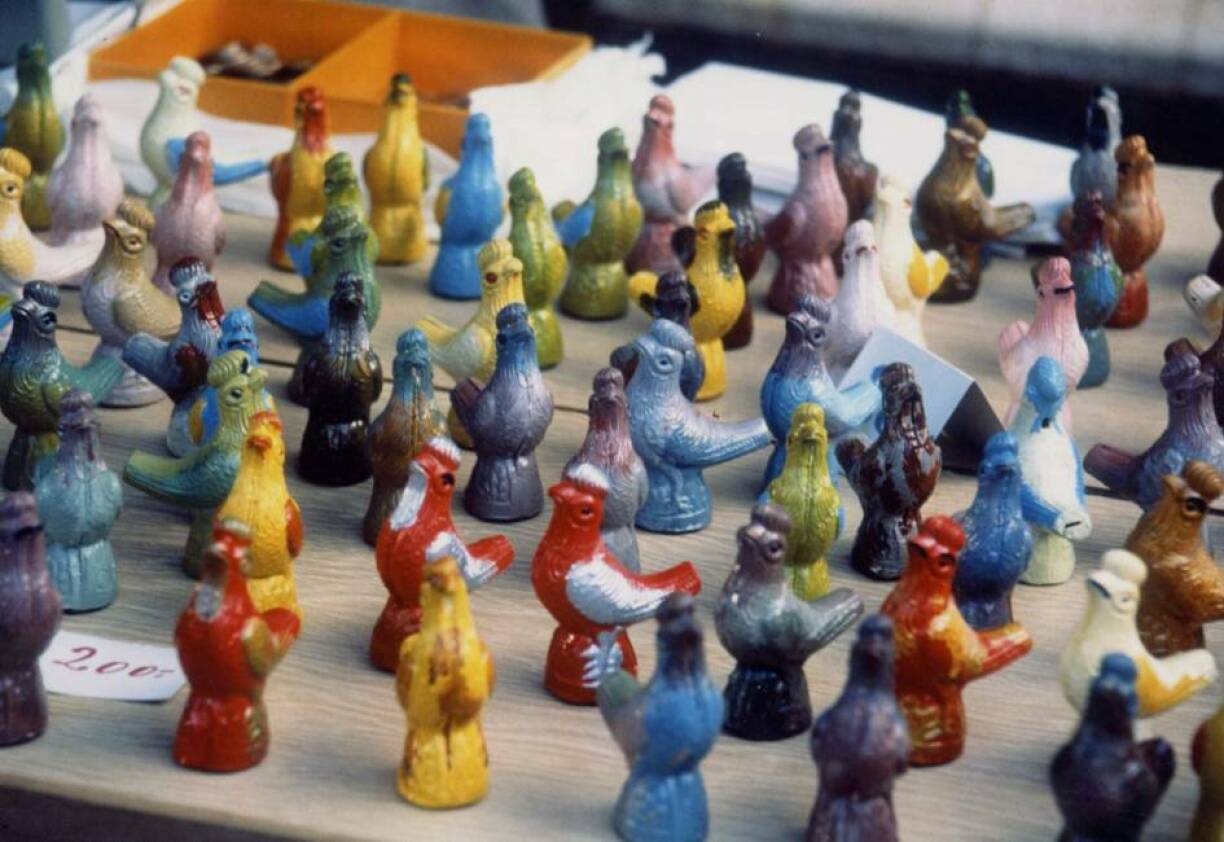
One of Luxembourg's most charming Easter traditions is Emaischen, celebrated every year on Easter Monday. The festival takes place in Nospelt and the Fishmarket in the city of Luxembourg, drawing visitors from across the country. Rooted in arts and crafts, Emaischen is best known for its iconic Péckvillercher, which refers to small, hand-crafted ceramic wind birds, which make the tweeting bird sound when blown into them. Different shapes and sizes produce different sounds, so everyone has their own, unique sounding bird!
Be one of the early birds to grab one of the most unique Péckvillchen designs!
Click here to watch a video of the event from the 1950s!
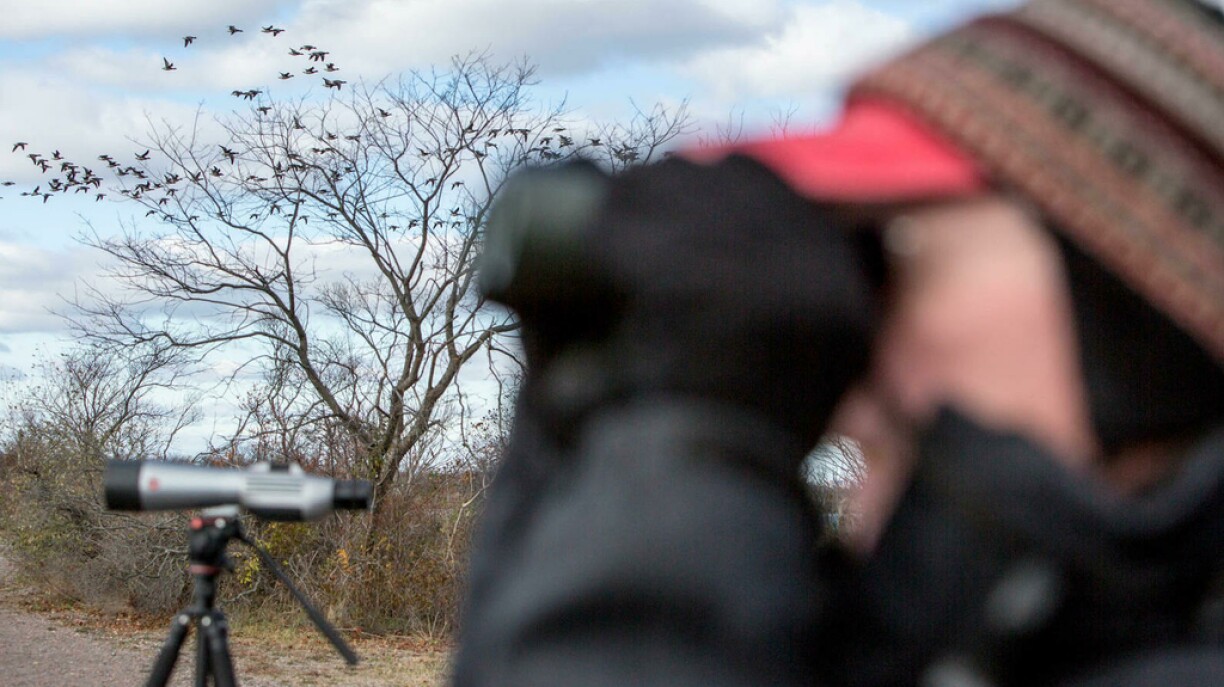
By the end of January each year, Natur&Ëmwelt invites the public to devote one hour to counting the birds they see in their gardens. This year, the action takes place this weekend, from the 27-29th of January 2023. The data collected serves as an indicator on bird population across the country and helps determine which bird species are most likely to fly around urban areas.
The deadline for sending in your weekend results is the 7 February 2023! Stay tuned and find out which bird will be the belle of the ball this year! Caw-Caw!
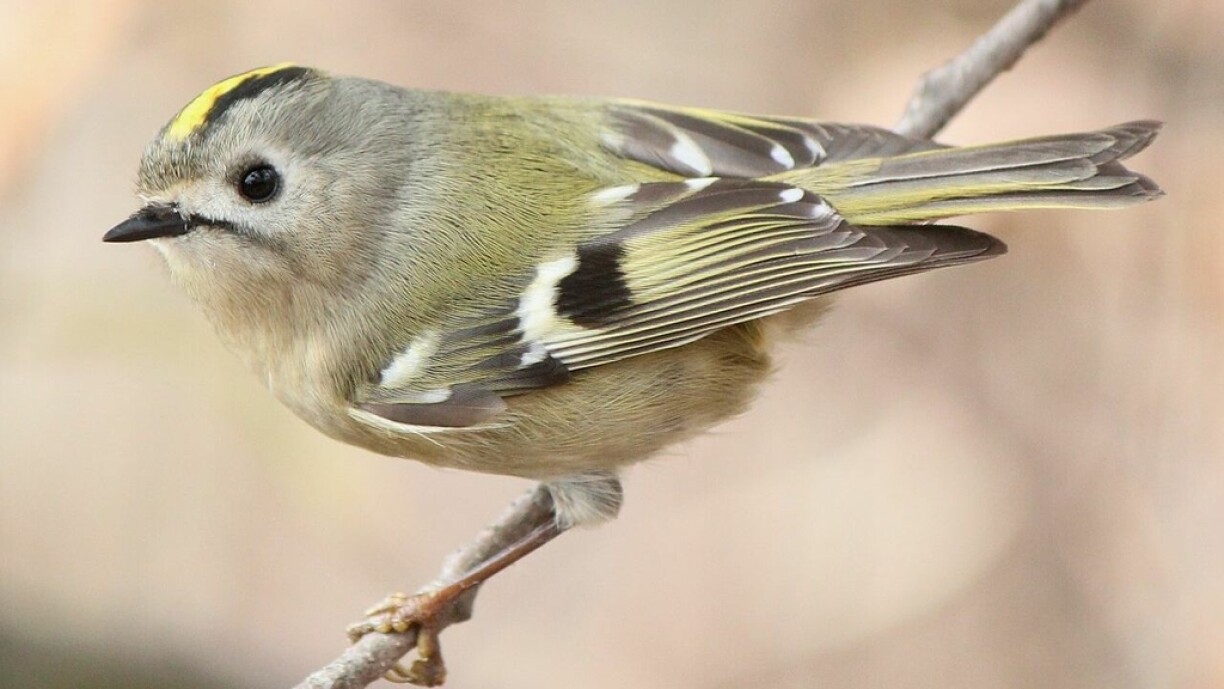
Did you know that Luxembourg has its very own national bird? In 1960, the International Council for Bird Preservation held its World Conference in Tokyo, Japan. During the conference, each country was invited to pick a national bird that best represented its national identity. Luxembourg decided to pick the "Goldcrest" as its national bird, a fitting symbol of the country's small size. The Goldcrest is the smallest bird in Europe, yet it carries the proud nickname "the kings of birds." Im-peck-able choice if you ask us!
Some of you may be familiar with the famous fable Renert. Although the tale has been part of European literary history since the 15th century, Luxembourg's version was written by Michel Rodange in the 19th century.
The story is a satirical piece depicting "unique characters of Luxembourg" from that time. The protagonist is the "Renert", a sly fox in a tailcoat who is constantly scheming and rarely up to any good.
The fable also features a crow, which plays an important role in storming the fox's castle. Without spoiling too much, give it a read yourself!
Read: Renert: Luxembourg's most famous fable and its modern relevance
The Luxembourgish language has many expressions relating to birds.
"Un de Fiederen erkennt een d'Vullen"
Literal translation: You recognize birds by their feathers
Meaning: You recognize people by their clothes
"Schéi Fiedere maache schéi Vullen"
Literal translation: Nice feathers make pretty birds
Meaning: You are what you wear
"En huet Fiedere gelooss"
Literal translation: He left feathers
Meaning: He lost something (ex: money)
"E léisst nach Fiederen hänken"
Literal translation: He will still hang feathers
Meaning: He will lose more in the future/ He'll still make some mistakes in the future
"E kënnt nët aus de Fiederen"
Literal translation: He doesn't come out of the feathers
Meaning: He can't get out of bed
"En huet séng (bescht) Fiedere verluer"
Literal translation: He lost his best feathers
Meaning: He lost some of his glory





