This week, the EU's statistics agency (Eurostat), released the "Key figures on the EU in the world" for the year 2023. Among those statistics featured the number of female representatives in parliaments.
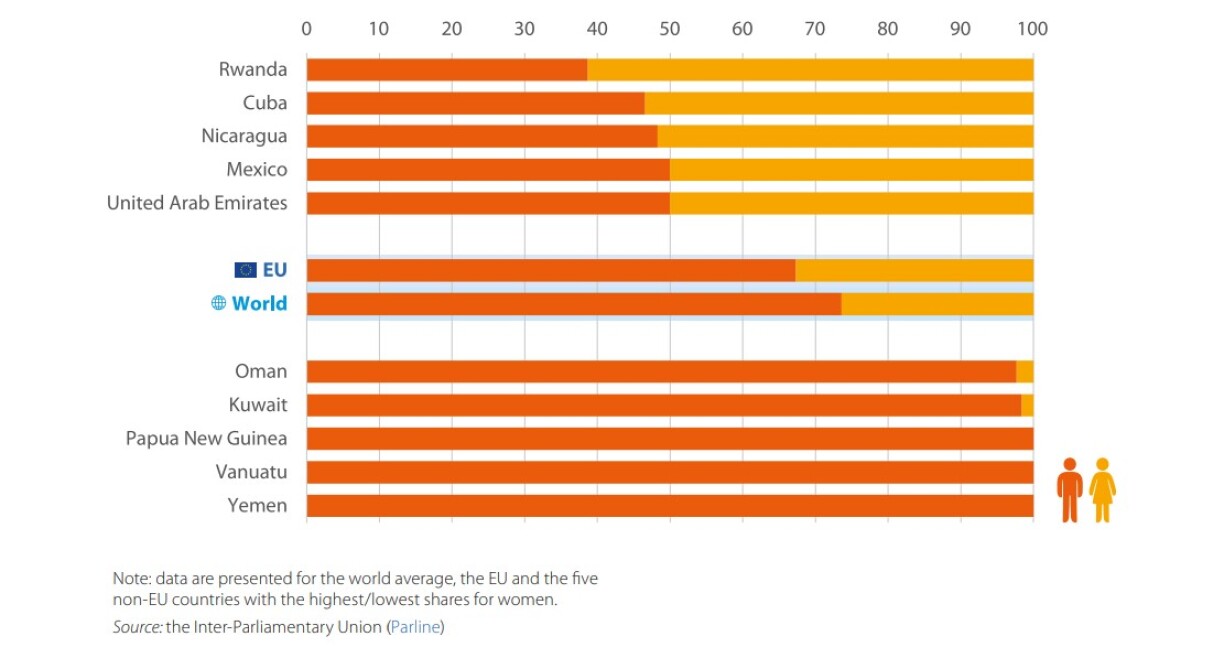
The survey revealed that women only held 32.7 % of all seats in national parliaments across the EU (July 2022), with the world average at 26.4 %.
Interestingly enough, the only countries which featured a majority of women in their parliaments were: Rwanda (61.3%), Cuba (53.4 %) and Nicaragua (51.7 %). On the other hand, the countries where the seats were equally divided (50%) were in Mexico and the United Arab Emirates.
Rwanda's progressiveness can be traced back to as far as 2008, when the Rwandan Chamber of Deputies was the first elected national parliament where women were the majority.
At the other end of the spectrum, the countries where no seats were held by women are: Papua New Guinea, Vanuatu and Yemen.
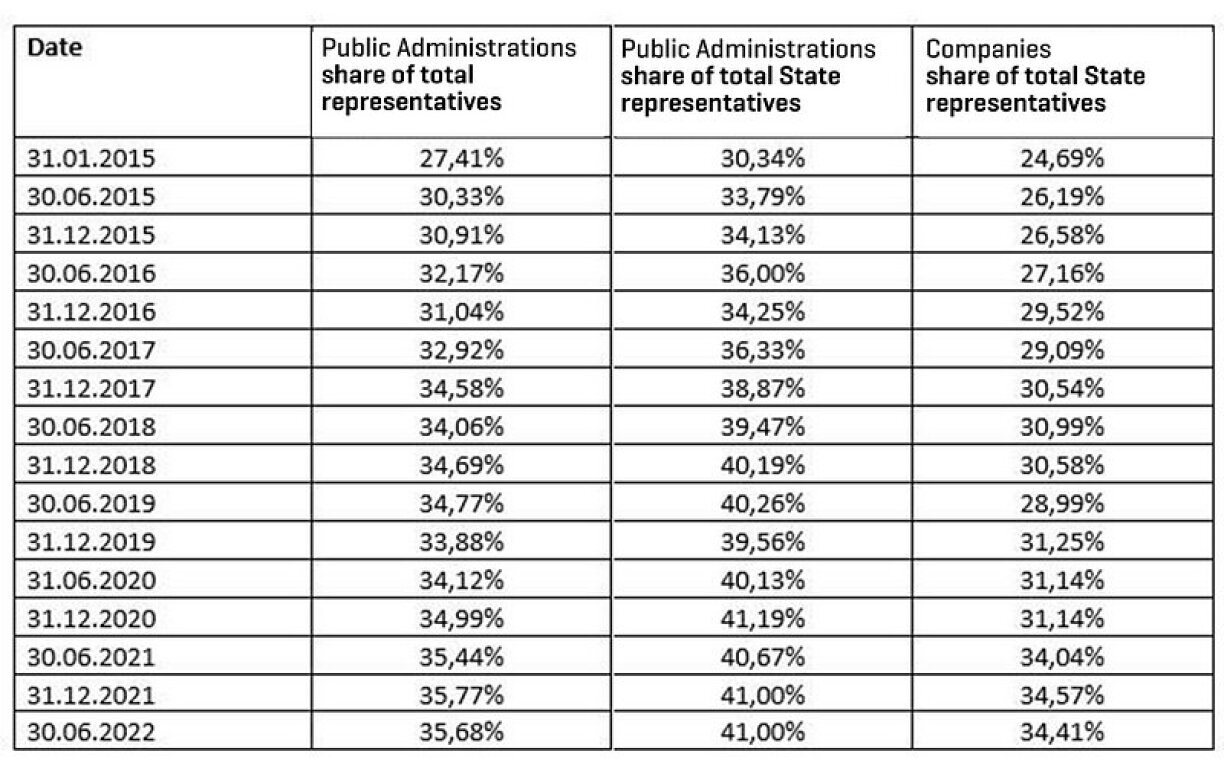
In Luxembourg, Prime Minister Xavier Bettel announced already in 2015 that Luxembourg aimed "a minimum quota of 40 per cent of women on all executive boards in public establishments". Unfortunately, that quota has not been reached in 2023.
Although the quota for state representatives on the boards of public institutions has been reached (41% in June 2022), the figure for state representatives on the boards of private companies drops to 34%.
Read also: How feminist are Luxembourg's political parties?
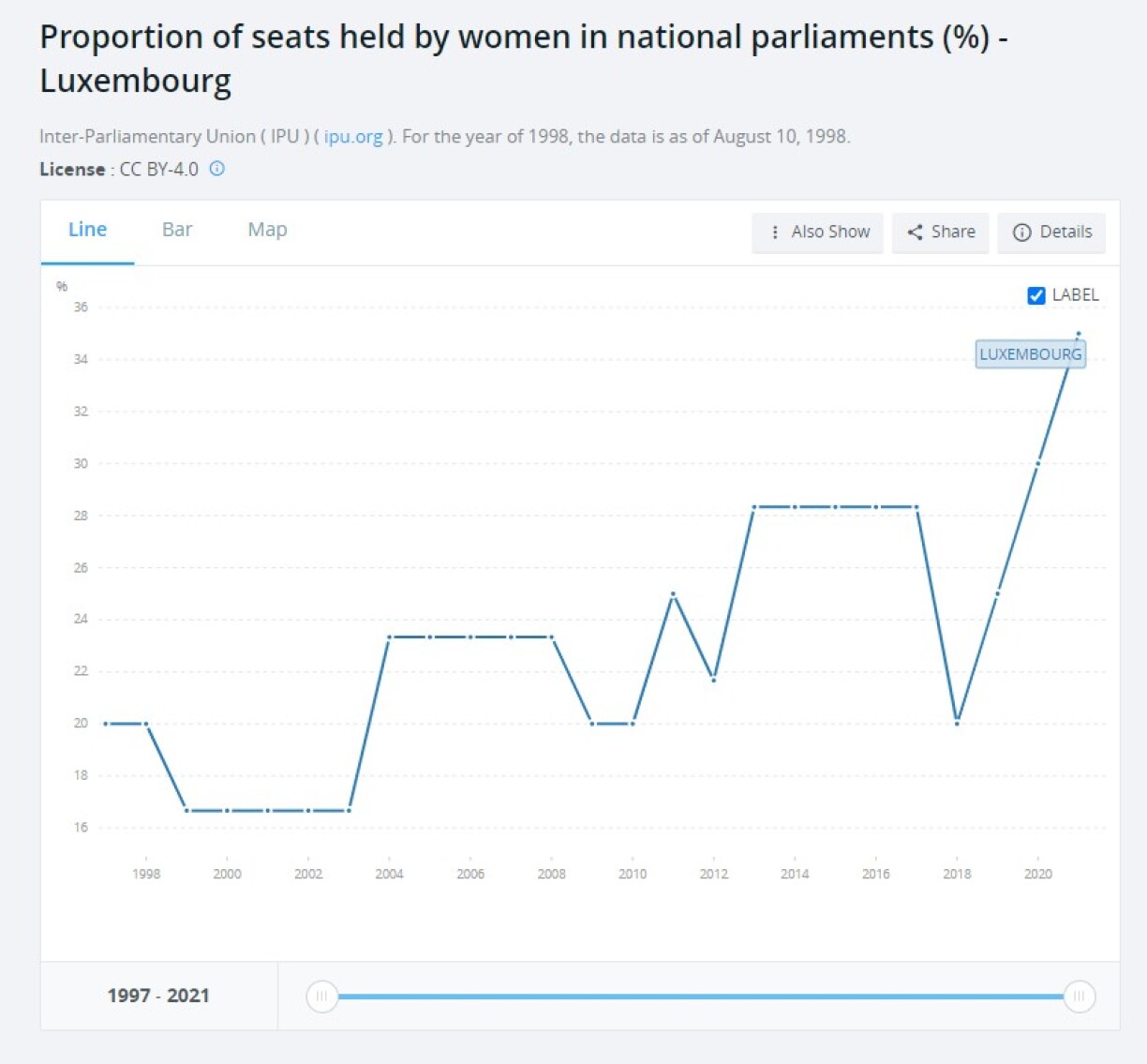
On a more positive note, when we look at the development of the number of seats held by women in national parliaments since 1997, we see that there's been a gradual increase, in particular from 2018-2021 when the number of seats occupied by women jumped from 20% to 35%.
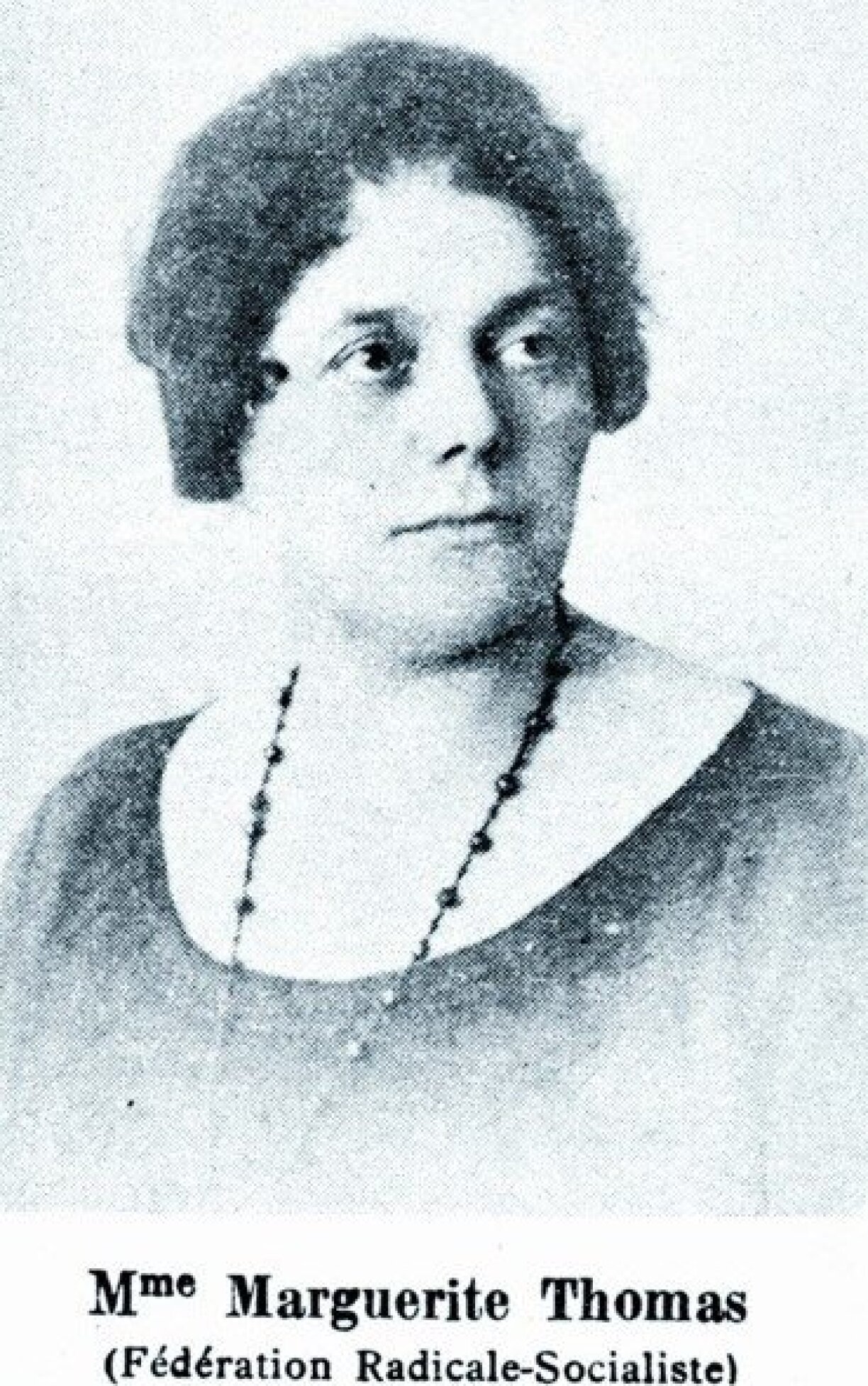
Did you know that the first woman to ever be elected in Luxembourg's parliament was Marguerite Thomas-Clement, in 1919?
A fervent defender of female worker rights as well as rights for prostitutes, but remained the only female member of parliament until 1965.