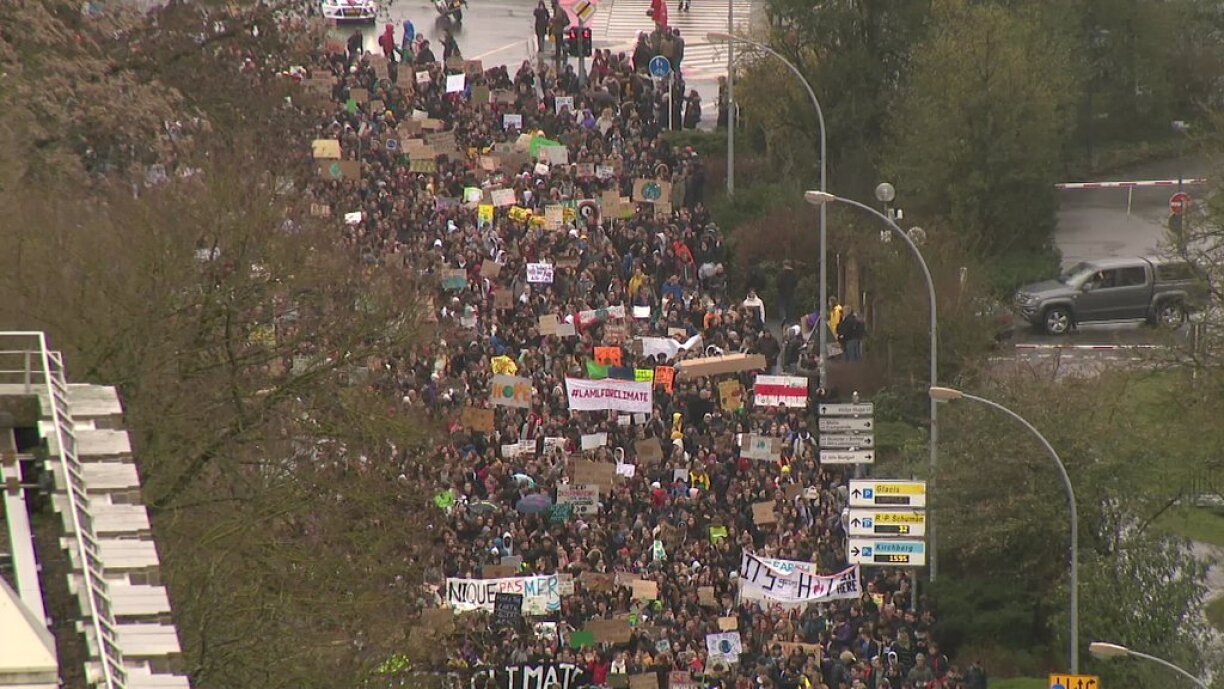
In 2019, the movement orchestrated widespread mobilisation, rallying thousands to advocate for climate action, securing meetings with ministers, and gaining visibility through appearances on TV and radio programmes. Despite the challenges brought by the pandemic in 2020, protests persisted, adapting to safety measures with masked demonstrations. In 2021, thousands once again joined climate marches. However, in 2022, the student strike saw a slight decrease, and in the current year, no such strike has been organised.
Reflecting on the journey, Jasmine Winandy and Alex Millim, who remained involved until the movement's hiatus, recall a period of camaraderie and impactful collective action. Millim reflects, "It was an extremely cool group, and we also did a lot together; it was a good atmosphere." However, as more experienced activists transitioned to university, the core group dwindled. Millim explains the challenge, stating, "It became a vicious circle because there was more and more work, and people had too much schoolwork, and then the work didn't get done, and then there were fewer and fewer of us to do the same amount of work."
On the other hand, "nothing changed, even when thousands of people took to the streets," according to the two activists. Winandy notes that during the last climate strike in 2022, criticism emerged, with people questioning the relevance of climate activism amid other crises. "We are in the middle of an energy crisis and the war in Ukraine is very present right now; how can you still care about that?" she recalls people saying. Acknowledging these concerns, Winandy stresses that the challenges are interconnected, and comprehensive solutions must encompass a broad spectrum of issues.
Aligning with the sentiments expressed by Youth for Climate Luxembourg, the student conference CNEL echoes a similar view on the shifting priorities around the climate crisis. Dany Semedo, President of CNEL, voices frustration over the recurring trend of the climate crisis losing political precedence when discussions on other crises take centre stage. Semedo notes a shared sentiment of frustration among young people who witness limited tangible changes despite proactive efforts.
According to Semedo, proposals and solutions to address the climate crisis abound, yet implementation often lags. He draws parallels between CNEL and the youth activists who took to the streets a few years ago, emphasising the articulation of clear demands and solutions. Despite this, the desired changes remain elusive, contributing to a growing awareness of the climate crisis and, subsequently, heightened anxiety among students.
Jasmine Winandy and Alex Millim have not abandoned their commitment to fighting climate change. They are now active members of "move.," the youth organisation affiliated with the Ecological Movement. Winandy and Millim highlight the advantages of increased support and resources within "move.," where around ten young individuals are consistently and actively involved. This number has experienced fluctuations over the years, but the group continues to draw participation in various events. The impact of young activists leaving to study abroad contributes to the dynamic renewal of the group, maintaining a slightly lower average age compared to similar movements abroad.
Full report by RTL Télé (in Luxembourgish)





